The Best Medicine Is Prevention: Supporting Community Health Workers in Dawasamu
In the Dawasamu District of Fiji, access to healthcare is not a given. Villages are scattered, transport is limited, and the nearest nurse can be a long way off. Bridging that gap falls to community health workers, and supporting them is at the heart of the Dawasamu Community Project's health programme, which works alongside the local district nurse in line with the Ministry of Health's priorities for the area.
A community health worker, or CHW, is a trusted resident who acts as a liaison between their own village and the district nurse. Trained to provide basic first aid and to direct people to professional care when they need it, CHWs are often the first point of contact when someone falls ill. They keep the nurse informed about what is happening on the ground, flagging concerns such as an infection outbreak or an elderly resident who has taken a turn, and they help their neighbours navigate a health system that can otherwise feel out of reach.
Building capacity, not dependency
The programme's focus is capacity development: strengthening the skills and confidence of the health workers themselves rather than substituting for them. Around a dozen CHWs across Dawasamu and neighbouring Bureiwai are supported to become more effective providers within their communities, which means help with organisation, resources and the practical business of delivering care, as well as encouraging the district nurse in her role of mentoring and training her own team. The guiding principle is a simple one: the best medicine of all is to teach people not to need it.
Much of the current work is about turning information into insight. The district nurse and the CHWs collect a great deal of data through their patient records, and a key task has been compiling that information into clear summaries and analysis. For the nurse, a well-organised report makes it far easier to identify the root causes of common infections and to plan targeted interventions. For the CHWs, the same data helps them see which health issues matter most in their own villages, so that prevention efforts are directed where they will do the most good.
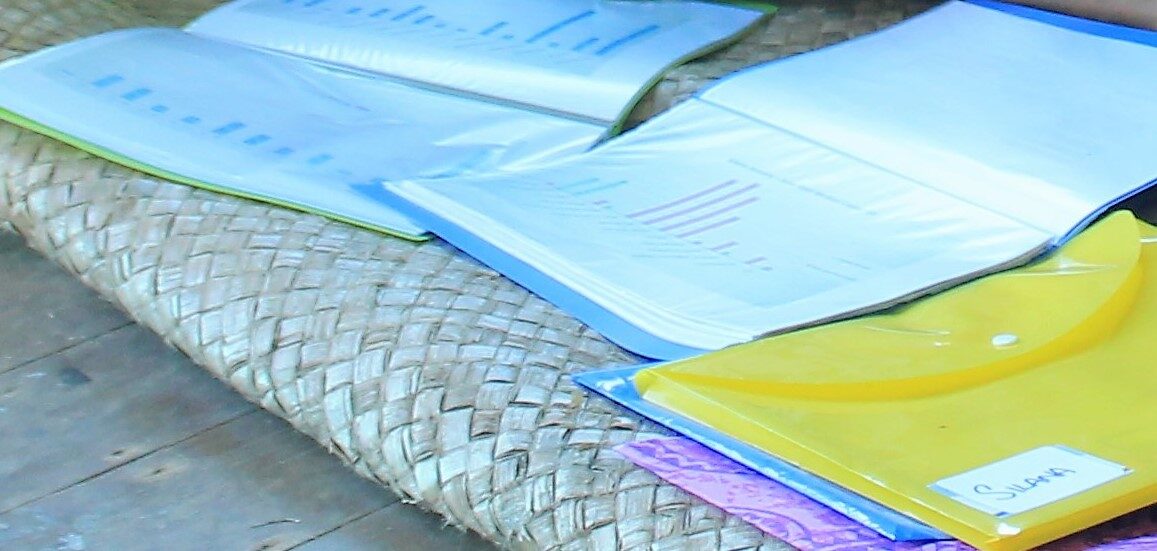
Sustainability runs through all of it. A significant step came when the district nurse secured approval for a computer at her nursing station, allowing the data work to continue independently rather than relying on borrowed equipment. Small as it sounds, that kind of local ownership is exactly what allows a programme to keep running long after outside support has moved on.
Ultimately the nurse and the health workers form a team, working to create an environment that supports healthy choices through information, activities and practical assistance. By strengthening skills, creating resources that are genuinely easy to use, and encouraging open discussion within communities, the aim is a health network that Dawasamu can sustain on its own terms, one better equipped every year to look after its own.
Comments
Add new comment