
Beyond the Elephants: Mapping Biodiversity in the Forests of Chiang Mai

The elephants are what draw most people to the forested hills of Chiang Mai, but they are only one thread in a much wider web of life. The Canopy Conservation works across a landscape that shelters a remarkable variety of species, and understanding the health of the whole ecosystem means looking well beyond the herd. Alongside the daily forest walks that track the elephants, the team runs a growing programme of biodiversity surveys designed to build a lasting record of what lives here.
The rhythm of the work follows the seasons. During the dry months, snakes are at their most active, and evening surveys set out along the riverbanks to document the species moving through. These night walks rarely disappoint: a typical outing turns up at least one snake, along with frogs, spiders and fish caught in torchlight. Volunteers are encouraged to photograph what they find, turning a memorable evening into a useful data point that feeds a shared archive of local wildlife.
Listening to the forest
Birds tell their own story about the state of a habitat, and the project's point-count surveys are a good example of patient, structured fieldwork. The method is simple but disciplined. Observers stay silent for five minutes, giving the birds time to settle and resume natural behaviour, then record every sighting over the following fifteen minutes. Repeated over months and years, these counts begin to reveal trends that a single visit could never show, and they are gradually building into a database that can flag changes long before they become obvious.
Some residents announce themselves. A population of Lar gibbons lives close to the community, and it is not unusual to hear their looping, resonant calls carry across the valley during a morning walk. Gibbons are endangered across much of their range, so having them so near is both a privilege and a responsibility. Recording their presence and movements helps make the case for protecting the forest they depend on.
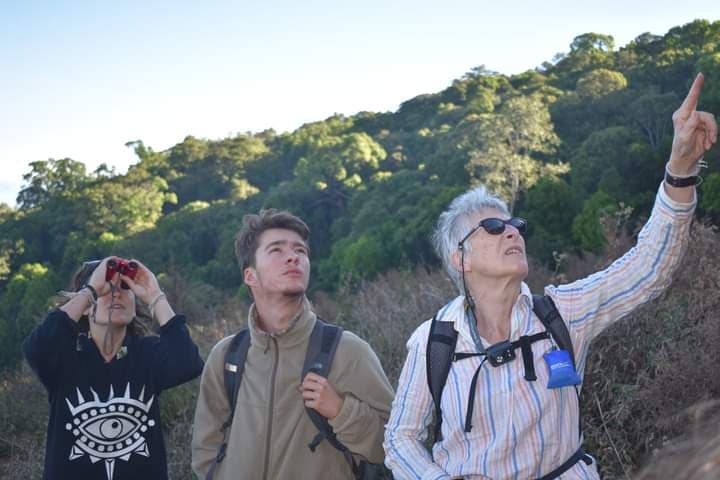
What makes this approach valuable is its consistency. Wildlife tourism often chases a single charismatic animal, but real conservation depends on understanding the ecosystem that supports it. By logging snakes, birds, amphibians and primates week after week, the Huay Pakoot team is assembling the kind of long-term evidence that guides sensible land management and gives the wider forest a voice in decisions about its future.
For anyone spending time with the project, the lesson lands quickly. The elephants may be the reason you came, but it is the birdsong at dawn, the snake crossing the path at night and the gibbon call at first light that show how much there is to protect, and how much a careful, curious observer can contribute to keeping it.
Comments
Add new comment