Help protect sea turtles on the Caribbean coast of Costa Rica
On the Caribbean coast of Costa Rica, where rainforest meets the sea, the Kéköldi Rainforest Project offers a chance to take a hands-on part in protecting some of the ocean's most vulnerable species. Working alongside a local team and a mixed group of volunteers, you share the skills you have and pick up plenty of new ones. For anyone who cares about wildlife, contributing to the conservation of endangered sea turtles is a genuinely memorable experience.
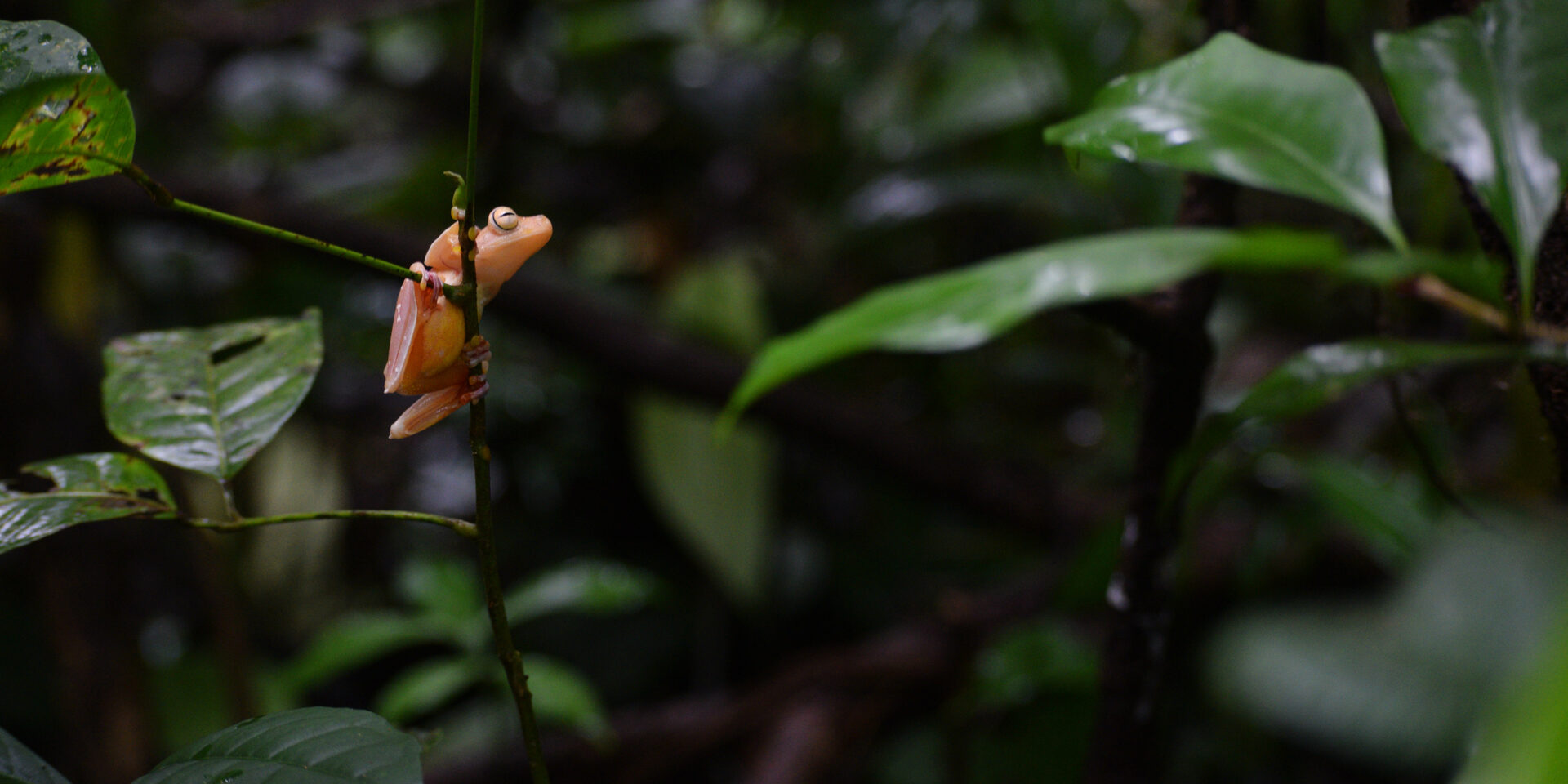
The setting is hard to beat. The project sits within lush coastal forest on the Kéköldi Indigenous reserve, near Puerto Viejo, surrounded by the sights and sounds of the tropics. You might hear the deep call of a howler monkey carrying through the night, or watch a nesting turtle haul herself up the beach to lay her eggs in the sand. On the right night, at the right time of year, you may see hatchlings break the surface and scramble towards the surf. Days here are shaped by the tides and the seasons rather than the clock, and there is a real satisfaction in learning to read the rhythm of the coast.
After training with experienced field staff, your main role is to monitor the turtles that nest along this stretch of coast, among them green, hawksbill and leatherback turtles, all of which face serious threats. The work involves patrolling nesting beaches, recording data on the animals and their nests, and helping to protect eggs from poaching and predation. It is careful, methodical work, and it feeds directly into the survival of these species and the beaches they depend on. Each patrol adds to a growing record of when and where turtles nest, which in turn guides how the beaches are protected in the years ahead.
The Kéköldi reserve is a rewarding place to work for other reasons too. It is well known as a corridor for migrating raptors, and its forests support a wide range of birds and other wildlife, so there are opportunities to contribute to research well beyond the shoreline. Everything you record feeds into the efforts of the field team and the local community, as part of a long-term, sustainable conservation programme rather than a one-off exercise.
The skills you build here have value that lasts. Learning how to design a survey, collect reliable data and follow proper field protocols will serve you well in any conservation setting, and looks good on a CV besides. Just as importantly, you come to understand how a coastal rainforest ecosystem fits together, and the part that turtles play within it.
Sea turtle conservation only works when it is led locally and sustained over years, not weeks. That is exactly the model the Kéköldi Rainforest Project follows, working hand in hand with the Indigenous community that stewards this land. To find out how you can take part, get in touch with The Impact Network and ask about the Kéköldi sea turtle conservation programme.
Comments
Add new comment