Three reasons Costa Rica leads the world on sustainability
Costa Rica has become a byword for environmental ambition, and with good reason. For anyone spending time with a project like the Kéköldi Rainforest Project on the country's Caribbean coast, the results of decades of green policy are visible all around. Here are three of the reasons this small nation continues to set the pace, and why it rewards a closer look.
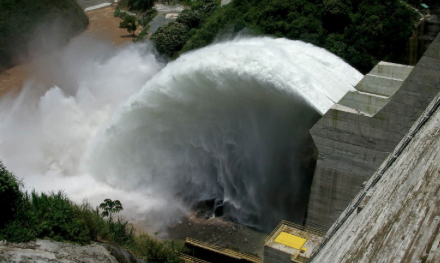
1. Renewable energy. Costa Rica has repeatedly run the entire country on renewable power for long stretches at a time; in 2018 it managed more than a hundred consecutive days. An abundance of free-flowing water feeds hydroelectric dams that generate well over three-quarters of the country's electricity. Head into the hills and mountains and you will find wind farms too, sited deliberately in the windiest spots to capture as much energy as possible. Few countries of any size come close to this record.
2. Forest regeneration. This is perhaps the most remarkable turnaround of all. By the 1960s, an aggressive logging boom had stripped forest cover down to around fifteen per cent of a country that was once wooded from coast to coast. The government responded with a buy-back scheme, encouraging farmers to sell land back to the state for regeneration, and offering incentives to those who restored parts of their own holdings or farmed more sustainably. Today forest covers just over half the country again. Much of the Caribbean lowland forest that projects like Kéköldi help to protect is part of this wider recovery, proof of how quickly an ecosystem can rebound when it is given time and support.
3. Certified sustainable tourism and the Blue Flag scheme. With energy and farming moving in the right direction, the next challenge was tourism. Costa Rica's sustainable tourism certification encourages businesses to take a long-term view, protecting the country's natural resources and culture. A one-to-five rating helps travellers choose operators that genuinely support local communities and avoid environmental harm. The separate Blue Flag programme awards beaches and their communities for high standards of water quality, waste management, safety and public involvement, with monthly audits to make sure those standards hold.
What ties all of this together is the role of local communities. None of these gains would have been possible without ordinary people, farmers, business owners, coastal residents, choosing to do things differently. That is exactly the spirit in which community-led conservation works best, and it is the model the Kéköldi Rainforest Project follows on the Caribbean coast, with the Indigenous community at the centre of the effort.
Costa Rica shows what is possible when a country decides that environmental excellence is worth pursuing in earnest. It is a place well worth supporting, and an inspiring one to work in. To learn how you can contribute to conservation there, get in touch with The Impact Network about the Kéköldi Rainforest Project.
Comments
Add new comment