
Four reasons the environment needs elephants

Elephants shape the health of the landscapes they inhabit in more ways than most people realise. That is precisely why their conservation matters so much, and why the work of projects like the Canopy Conservation, in the forested hills of Chiang Mai, is so important. The numbers make the case plainly enough: the World Wide Fund for Nature estimates that Asian elephant populations have fallen by at least half since the early 1900s, driven by poaching, habitat loss and growing conflict with people.
Asian elephants are what ecologists call a keystone species. Remove them, and the whole system around them changes. Here are four of the ways they earn that status.
1. They are seed transporters. As one of the heavyweight herbivores of the animal kingdom, an elephant eats a great deal of plant material every day, seeds included. Those seeds travel through the gut and are deposited, often kilometres from where they were eaten, in nutrient-rich dung that acts as a ready-made fertiliser. In this way elephants help plants colonise new ground and, over time, create fresh habitat and food for countless other species.
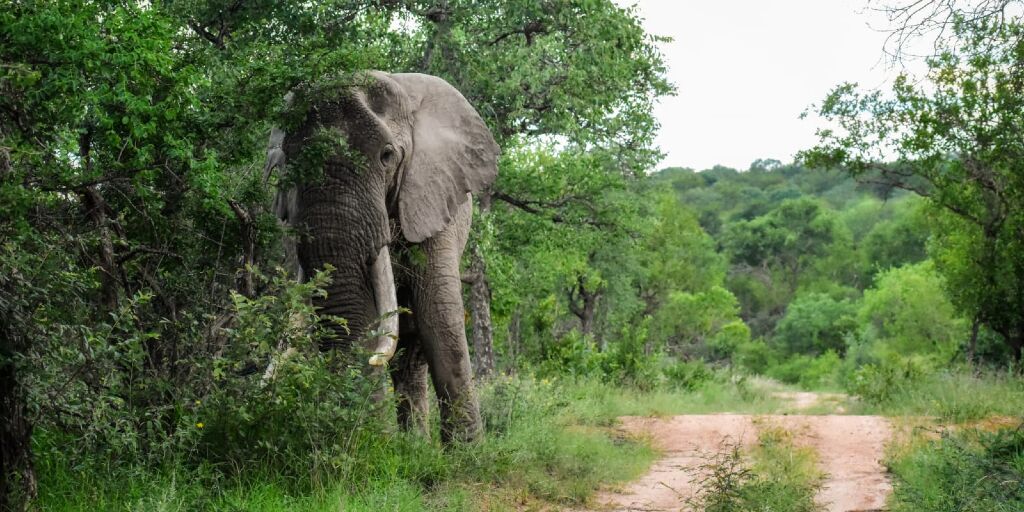
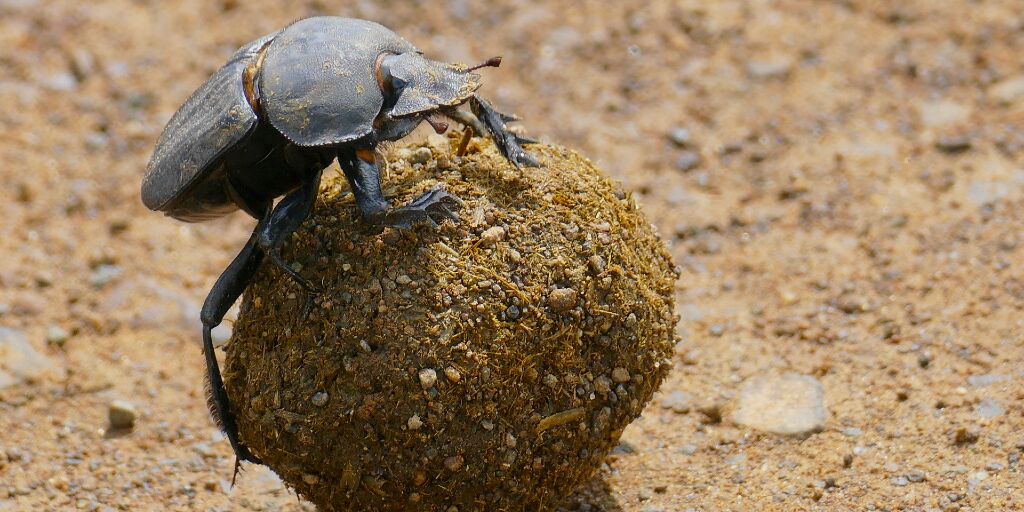
2. They provide food for other wildlife. Elephant dung is an abundant food source in its own right, feeding dung beetles that in turn bury it, loosening compacted soil and carrying nutrients down to where roots can reach them. The beetle larvae then become food for other animals. When they browse, elephants also snap down high branches that smaller animals could never reach, opening up food they would otherwise go without.
3. They find water. Using their feet, trunks and tusks, elephants dig into dry ground to reach water below the surface. The holes they leave behind become watering points that other animals rely on, particularly through the dry season.
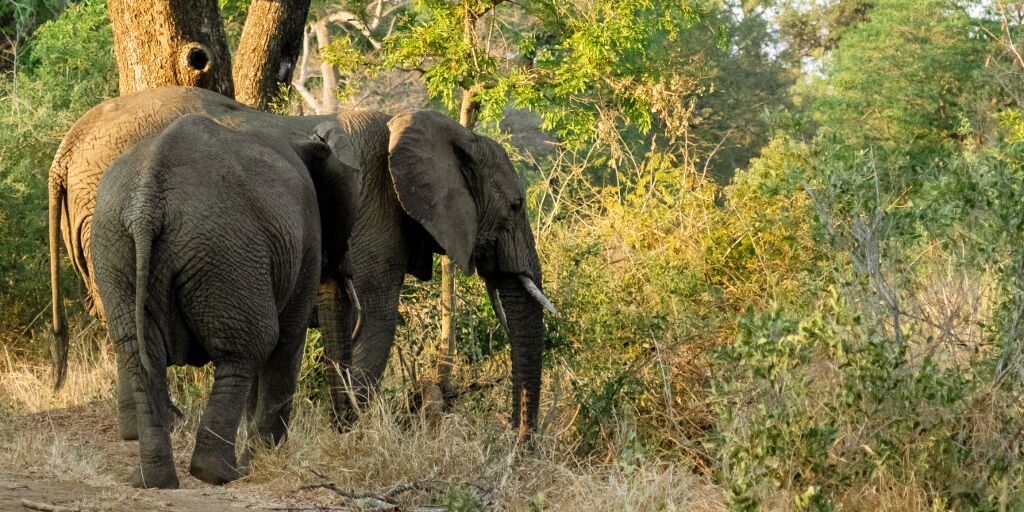
4. They reshape the forest. Because of their sheer size, little stands in an elephant's way. By trampling vegetation and clearing paths through dense growth, they let light reach the forest floor, giving lower plants a chance to establish. Different animals depend on different plants, so this constant reshaping actually increases the variety of life a forest can support.
The point is straightforward. A programme that protects elephants is never only looking out for the elephants. It is protecting the forest and the web of plants and animals bound up with them. In Chiang Mai, the Canopy Conservation works alongside the local Karen community to keep elephants in the forest where they belong, monitoring their behaviour and health in their natural habitat rather than in captivity. Supporting that kind of work, through The Impact Network, is a practical way to help these remarkable animals carry on doing what they do best.
Comments
Add new comment