
Trang Coastal Conservation Hub
Seagrass, mangrove and dugong-habitat conservation on Thailand’s Andaman coast, based at Pak Meng Beach in Trang province. We are working to support the development of the Trang region that ensures communities, culture and conservation are at the heart of any growth.
About Trang Coastal Conservation Hub
Operating since 2025
Seagrass, mangrove and dugong-habitat conservation on Thailand’s Andaman coast, based at Pak Meng Beach in Trang province. We are working to support the development of the Trang region that ensures communities, culture and conservation are at the heart of any growth.
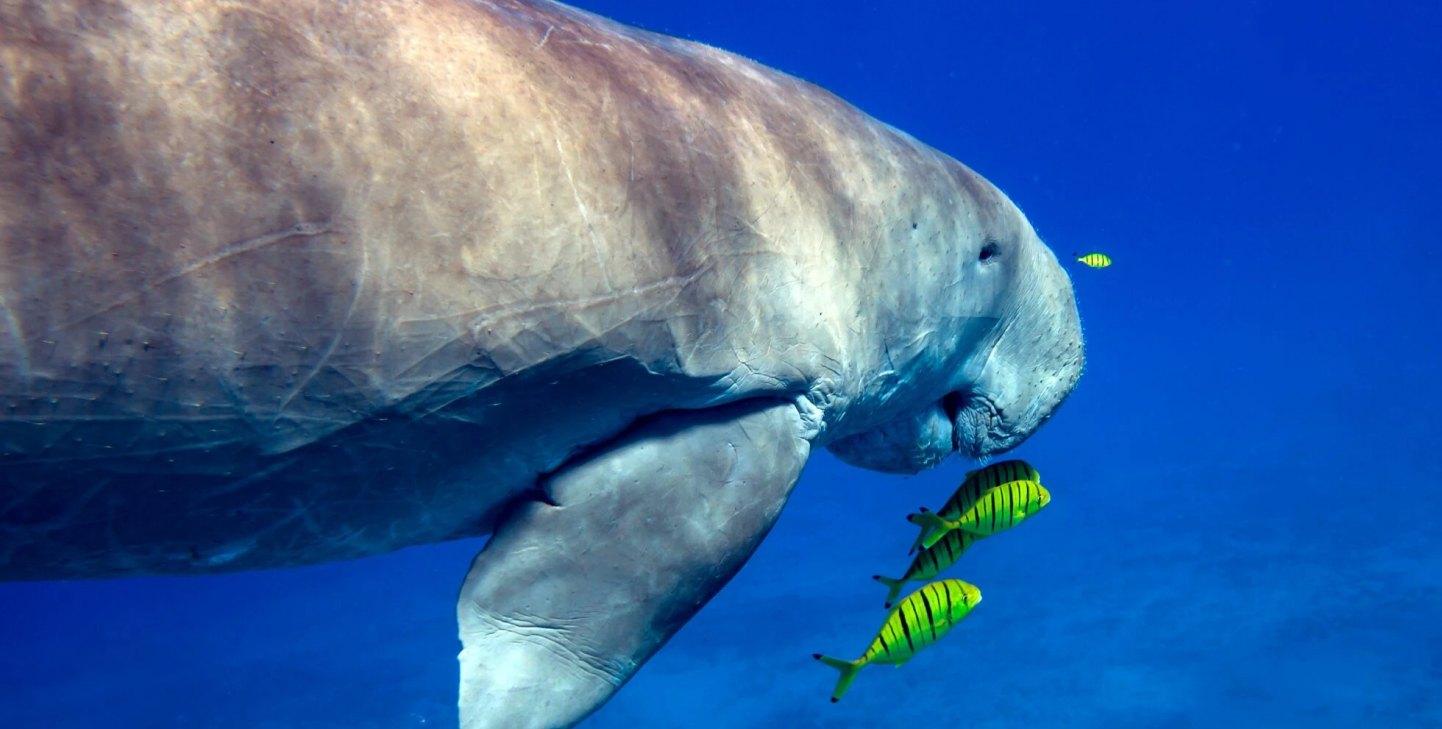
Trang’s mangrove forests, seagrass meadows and coastal ecosystems face increasing pressure from habitat degradation, coastal development and the impacts of climate change. Project work runs from land to sea. The core aim is to help rejuvenate seagrass meadows — the feeding grounds of dugongs and sea turtles — and to reduce the pressures on land that degrade them.
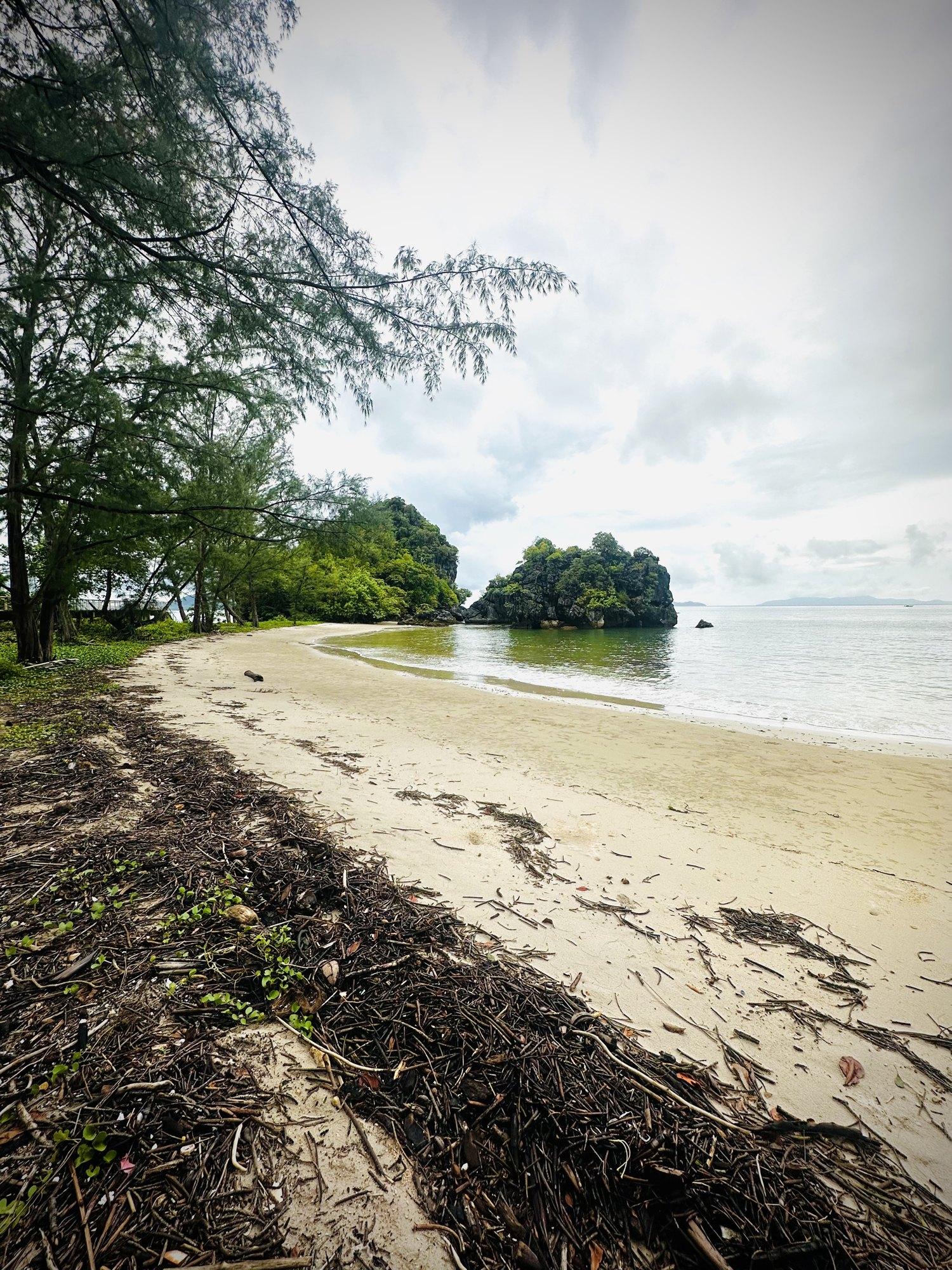
- Seagrass & dugong habitat — walking and snorkel surveys documenting the health and distribution of seagrass meadows, and surveys of key dugong feeding habitat using signs such as feeding trails.
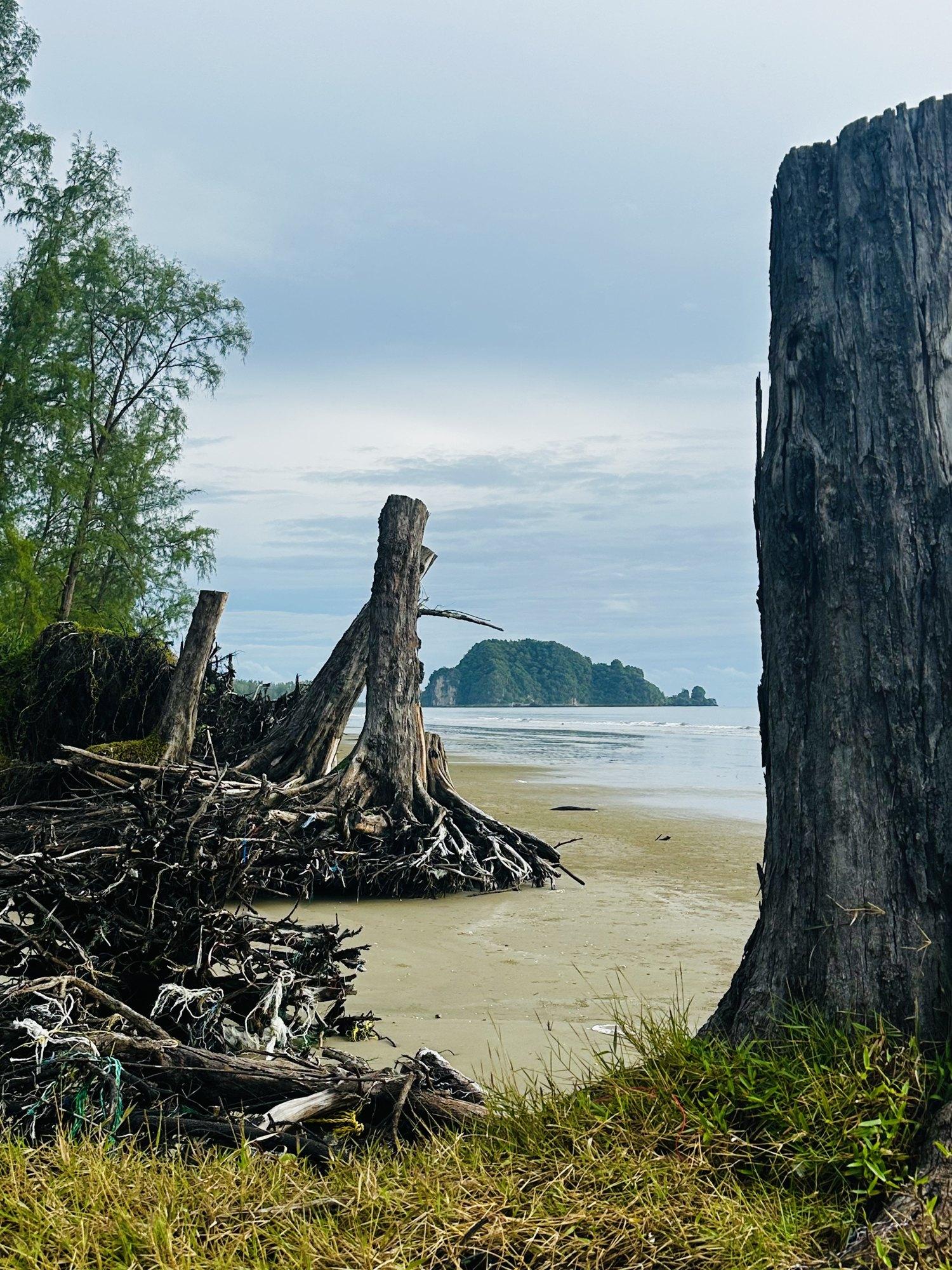
- Mangroves — community-based ecological mangrove restoration (CBEMR), ecosystem surveys of species composition and zonation, support for community-led mangrove management plans, and kayak-based surveys and clean-ups in the channels behind the base.
- Plastic pollution — beach cleans, standardised microplastic beach surveys, and support for university research on microplastics in marine species.
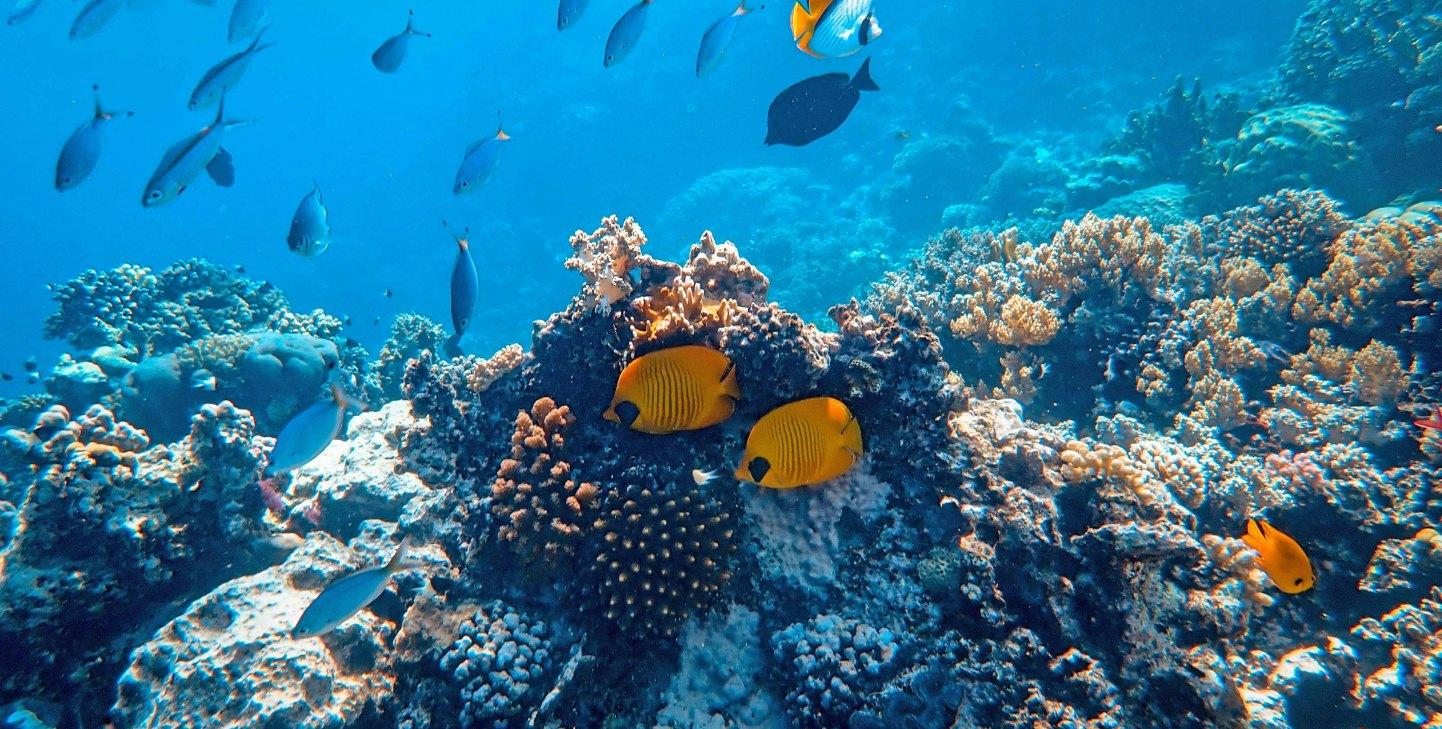
- Coral — snorkel surveys of coral regrowth at Koh Ngai, with laboratory facilities and offshore coral nurseries supporting this strand as it develops.
- Wildlife & habitat mapping — biodiversity and bird surveys, and mapping of seasonal change in coastal habitats.
- Marine animal care — supporting university staff caring for injured marine animals at the university animal hospital.
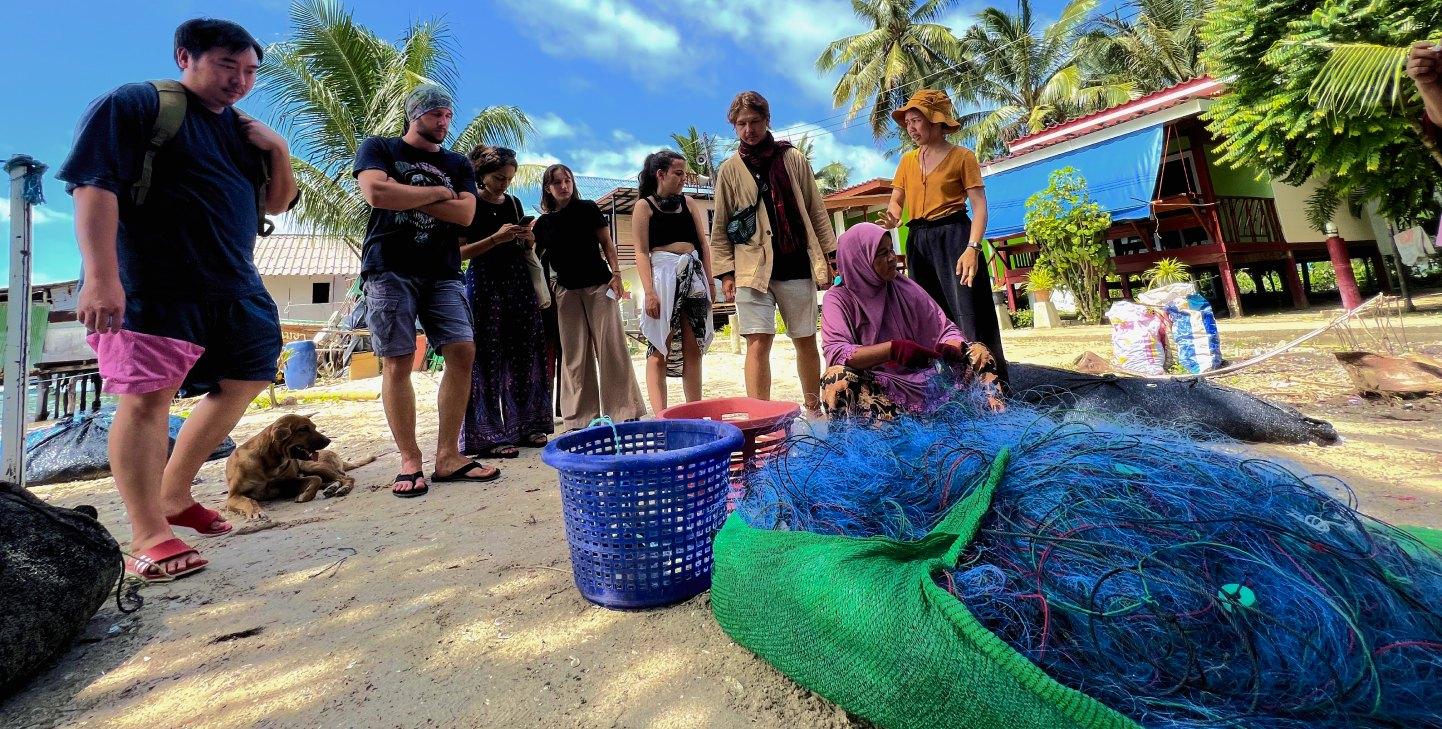
- Community education — English teaching and environmental education with local schools and adults, teacher capacity building and community workshops.
Learning programmes for groups. With its education partners the hub also hosts residential visits for under-18s; curriculum-focused expeditions (CAS, GCSE Biology and Geography field studies, project- and research-based trips); Duke of Edinburgh Award support; career-readiness intensives; gap-year programmes; and university-level field courses.
Project work
Coastal conservation
Seagrass, mangrove, biodiversity and microplastic surveys build long-term, consistent datasets for conservation partners, while restoration work — from community-based mangrove planting to coral observation at Koh Ngai — helps recovering habitats hold their ground.
Community-led & ethical
The hub works through local institutions: Rajamangala University and its Trang aquarium, village schools, national-park rangers, and community enterprises such as Bo Hin Farmstay and the Panae craft weavers. Data and results are shared with government, community partners and research groups.
The experience
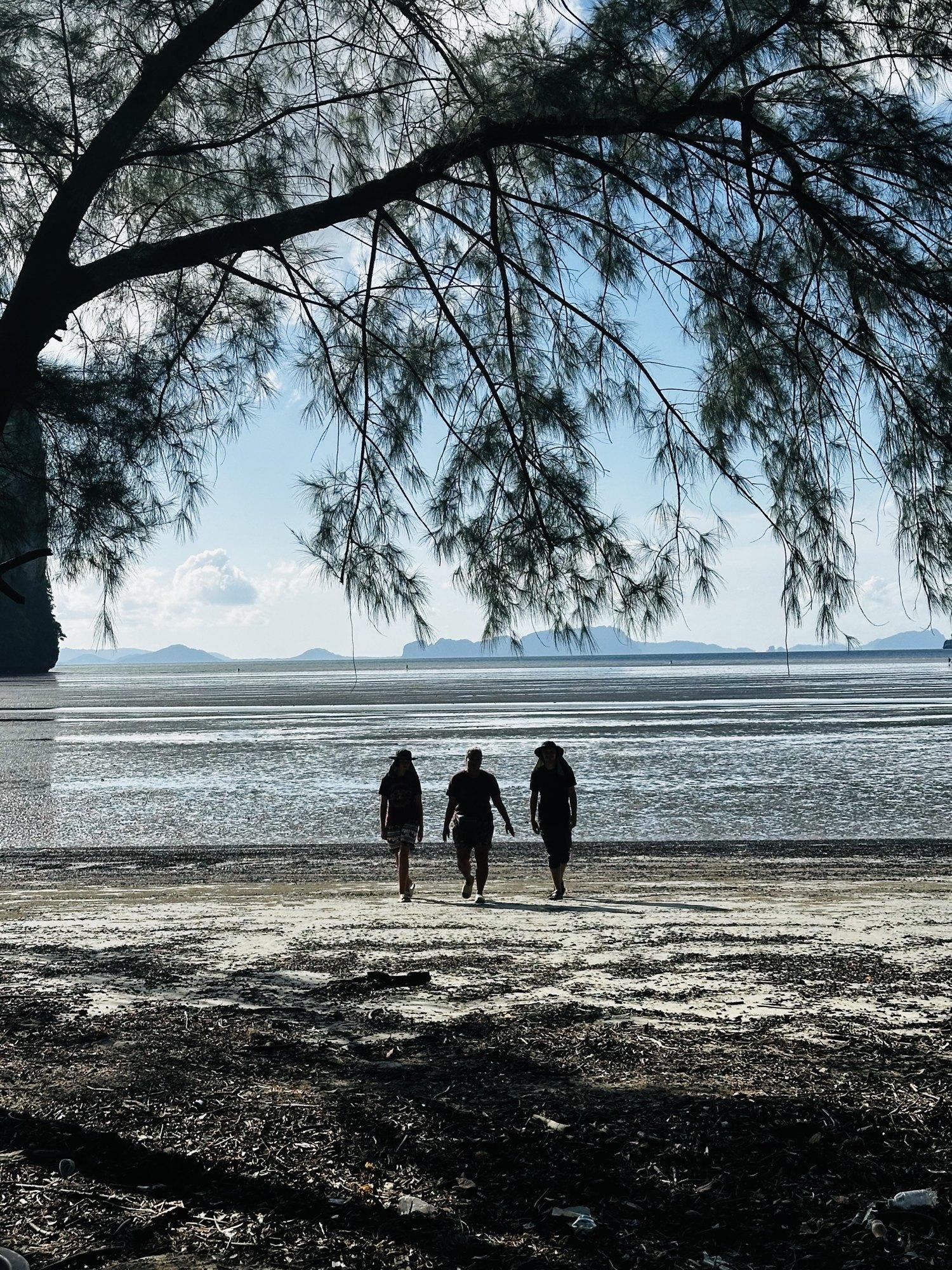
Volunteers live about 100 metres from Pak Meng Beach in a quiet fishing community. Fieldwork runs Monday to Friday around the tides; weekends are free for the islands, national park and southern Thailand's food and culture.
Approach
The hub's approach rests on long-term, consistent data. Seagrass, mangrove, biodiversity and microplastic surveys follow standardised protocols, so results can be compared season on season and shared with conservation partners, government and research groups.
Restoration is community-based by design. Mangrove work follows the CBEMR approach — community engagement and participatory methods combined with environmental education and hands-on ecosystem restoration — and projects such as crab banks and the school seagrass bank keep management in local hands.
Everything runs through local institutions. Rajamangala University and its Trang aquarium anchor the science; schools, community enterprises and national-park rangers anchor the community strand. Fieldwork follows the tides, and education runs alongside it, from school classes to adult English.
Impact
The Trang Coastal Conservation Hub opened in 2025 and has reported into the network's shared monitoring framework from its first season. In partnership with Rajamangala University, the team runs seagrass, mangrove, biodiversity and microplastic monitoring around Pak Meng and the Hat Chao Mai coast. The figures below are drawn from the hub's monitoring records, grouped by year.
2026 (to date)
2025
Milestones
- 2007Coastal work in southern Thailand began at Ao Luk, running expeditions and an education partnership with the local non-formal education centre.
- 2012The base relocated to Ban Nam Khem in Phang Nga province.
- 2013Coastal conservation and community projects opened, with partnerships including the Royal Thai Navy turtle sanctuary and the coastal fisheries research centre.
- 2016The first island wildlife monitoring project was set up on Koh Prathong and Koh Ra.
- 2020The programme paused in the COVID-19 hibernation.
- 2021Staff and volunteers returned; sea-turtle conservation restarted at the navy base and community teaching resumed.
- 2024The programme moved south to Krabi in partnership with NatureMind.
- 2025The Trang coastal hub opened at Pak Meng: seagrass, mangrove, microplastic and bird monitoring established alongside the Rajamangala University partnership.
- 2026The second season of monitoring got under way, reporting into the network's shared impact framework.
Highlights
- Trang's seagrass meadows are Thailand's most important dugong habitat — the dugong is the region's flagship species.
- Based about 100 metres from Pak Meng Beach, beside Hat Chao Mai National Park.
- Works with Rajamangala University and the Rajamangala Aquarium Trang, with access to laboratory facilities and the university animal hospital.
- Snorkel surveys track coral regrowth at Koh Ngai, with offshore coral nurseries supporting restoration.
- Community projects range from crab banks for sustainable fisheries to a school seagrass bank and community mangrove management plans.
- The long-term ambition is an Institute of Conservation and Global Citizenship in Trang.
Setting
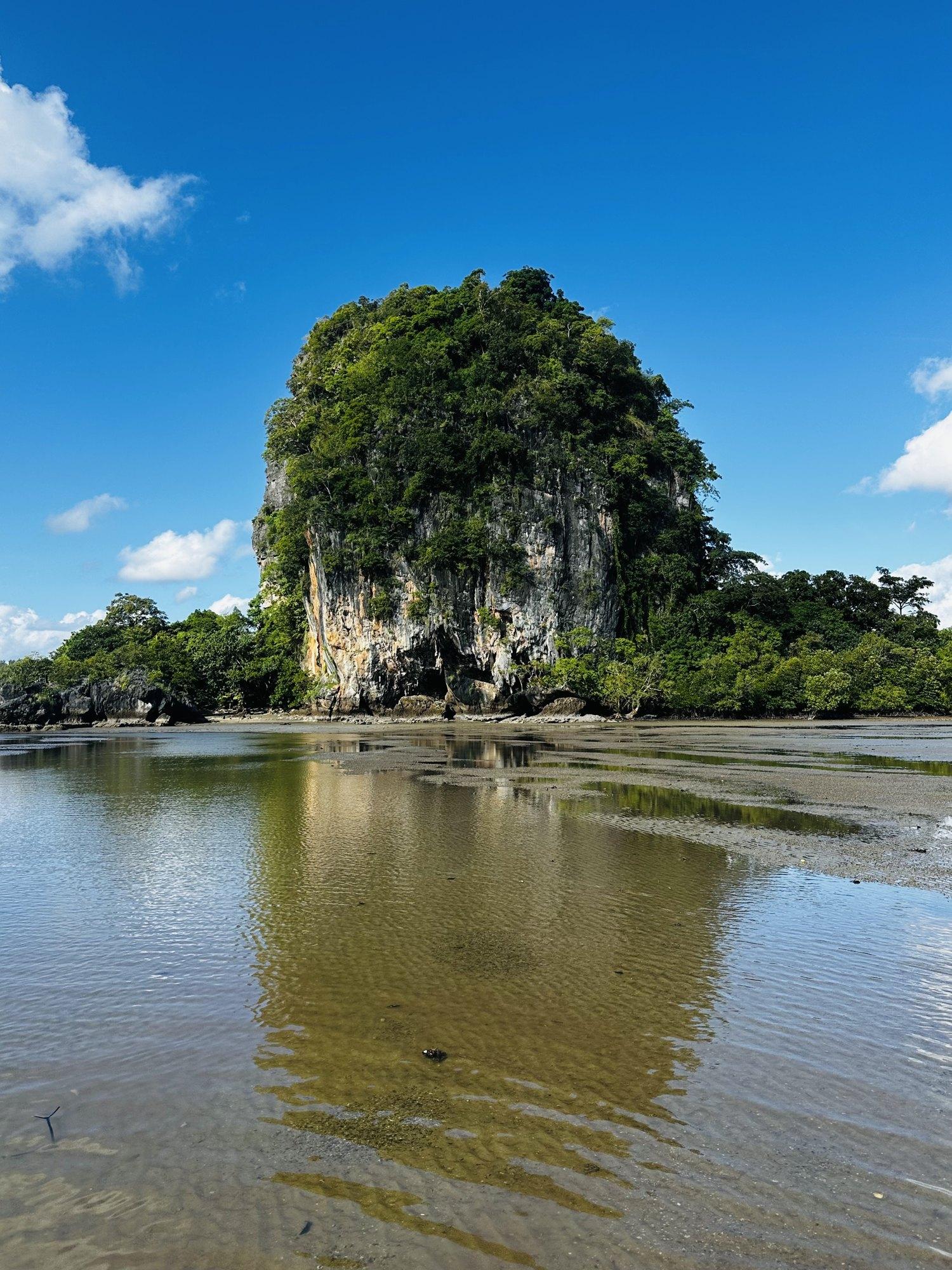
Trang province sits on the southern Andaman coast between Krabi and the Malaysian border — a coastline of mangrove estuaries, seagrass meadows and offshore islands including Koh Ngai and Koh Libong. Programme sites centre on the Sikao district and the near islands, with the base at Pak Meng: a quiet beach village with an authentic fishing community and traditional markets.
Trang itself offers a laid-back southern-Thai experience, with night markets, local restaurants and easy access to Hat Chao Mai National Park and the Khao Chong wildlife conservation station — good ground for island-hopping, snorkelling, hiking and birdwatching. Accommodation is at Dugong Village on the mainland, with Thapwarin on Koh Ngai used offshore.
Volunteering
Volunteer placement FAQs
Do I need to be able to dive?
Will I see dugongs?
Where do volunteers stay?
How do I get there?
What does a typical week look like?
Fieldwork runs Monday to Friday, with early tide-dependent starts for seagrass monitoring and weekends free. Activities rotate across a fortnight, for example:
Week one — turtle work with university partners and kayaking in the mangroves; a beach clean and microplastics survey; a bird survey, national-park visit and mangrove restoration; seagrass monitoring and data entry; coral surveys on the nearby islands.
Week two — microplastics fieldwork; mangrove nursery and restoration sessions; seagrass monitoring and a cooking class on Koh Libong; conservation presentations; a beach clean and the botanical gardens.
Evenings mix Thai lessons, Muay Thai, night markets and community dinners.
Who does the hub work with?
Can school or university groups visit?
When is the best time to come?
Group bookings
We also host school groups, university groups, under-18 cohorts, Duke of Edinburgh groups and bespoke groups.
School group info University group info U18 cohort info DofE group info Bespoke group info