
Huay Pakoot Elephant, Gibbon & Forest Conservation Project
Run by Canopy Conservation
Community-based elephant and gibbon conservation in the mountain forests of northern Thailand.


About Canopy Conservation
Operating since 2010
Community-based elephant and gibbon conservation in the mountain forests of northern Thailand.
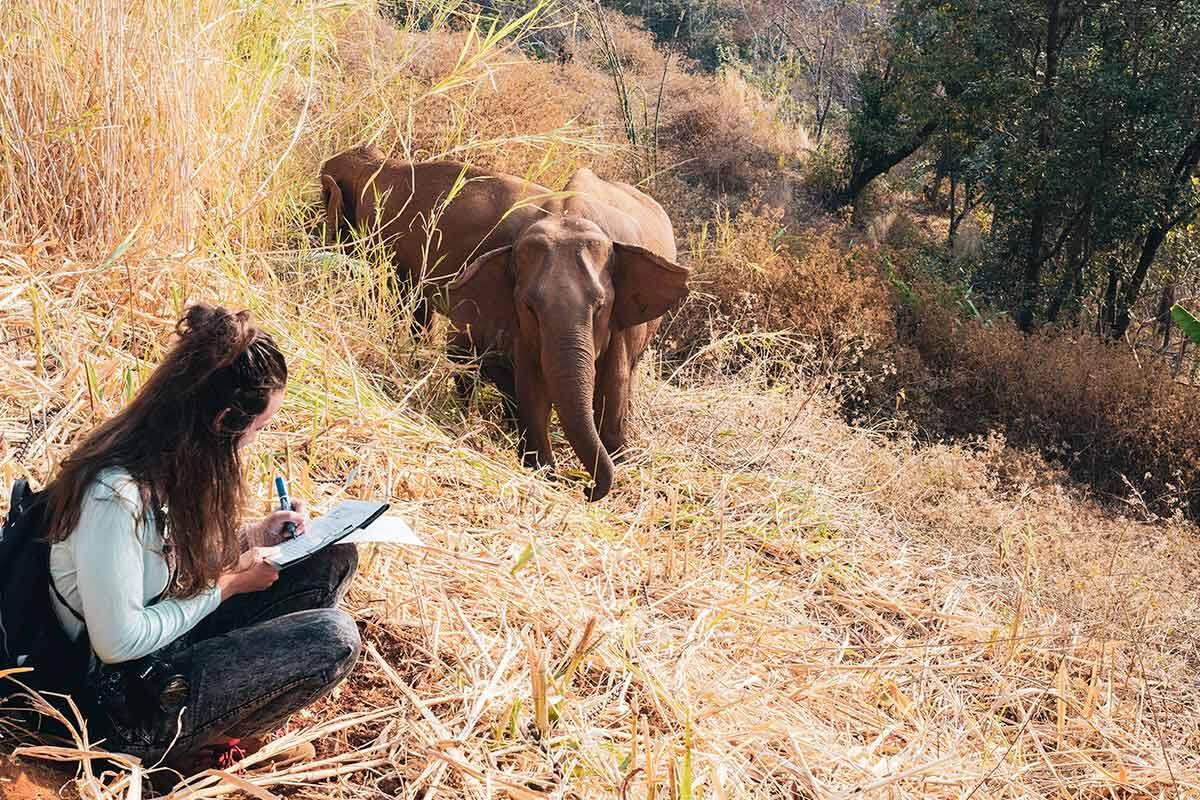
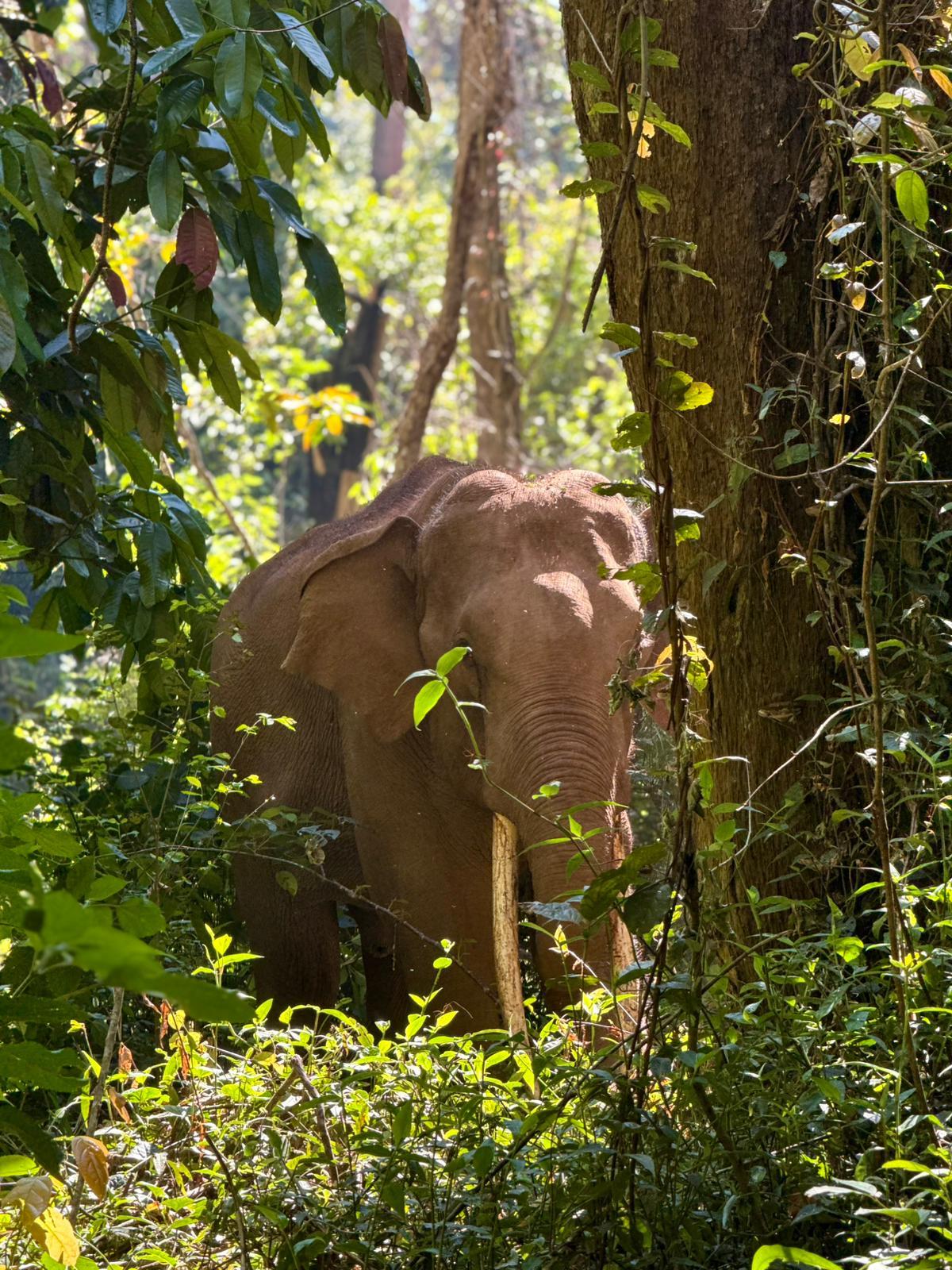
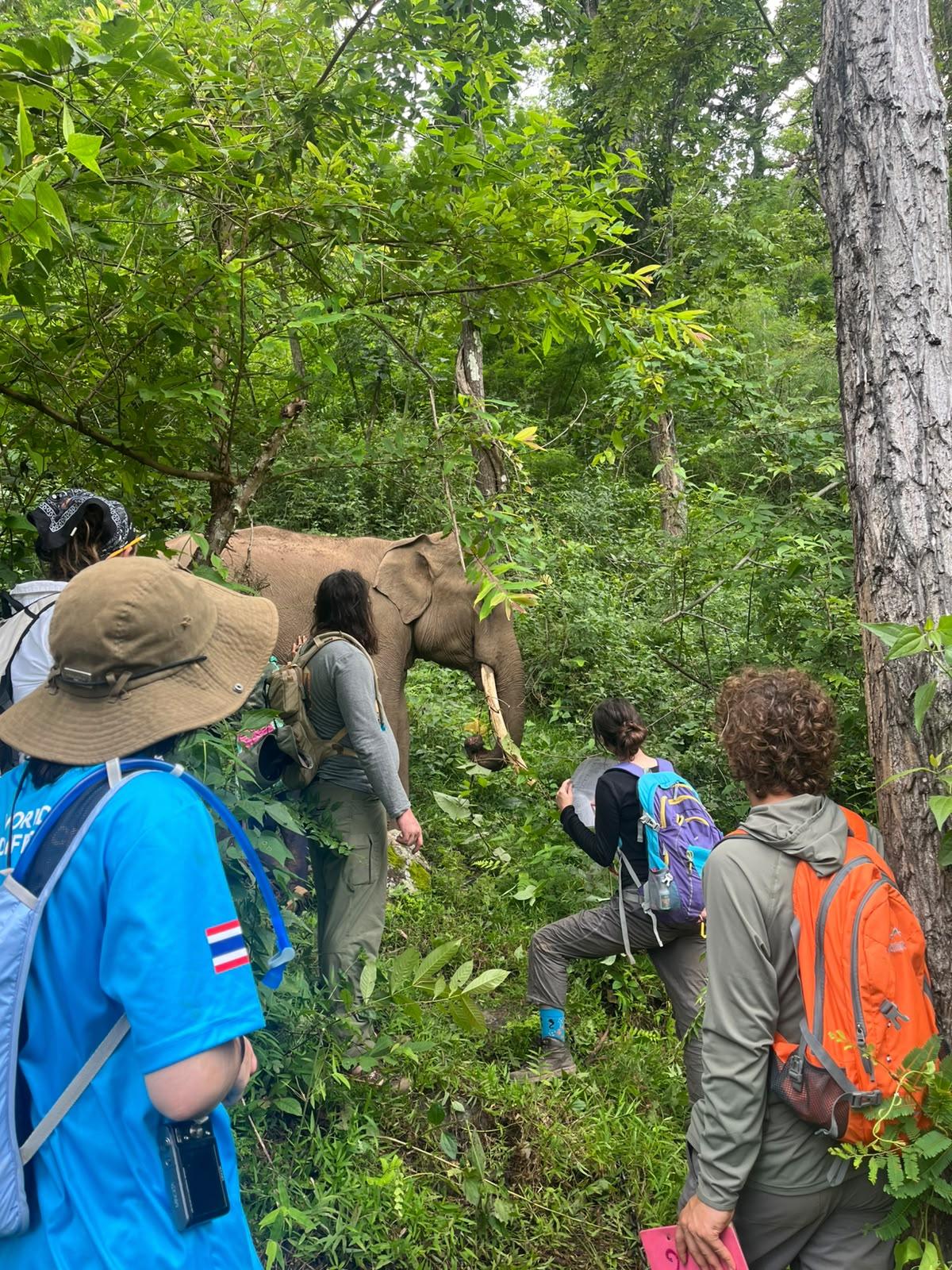
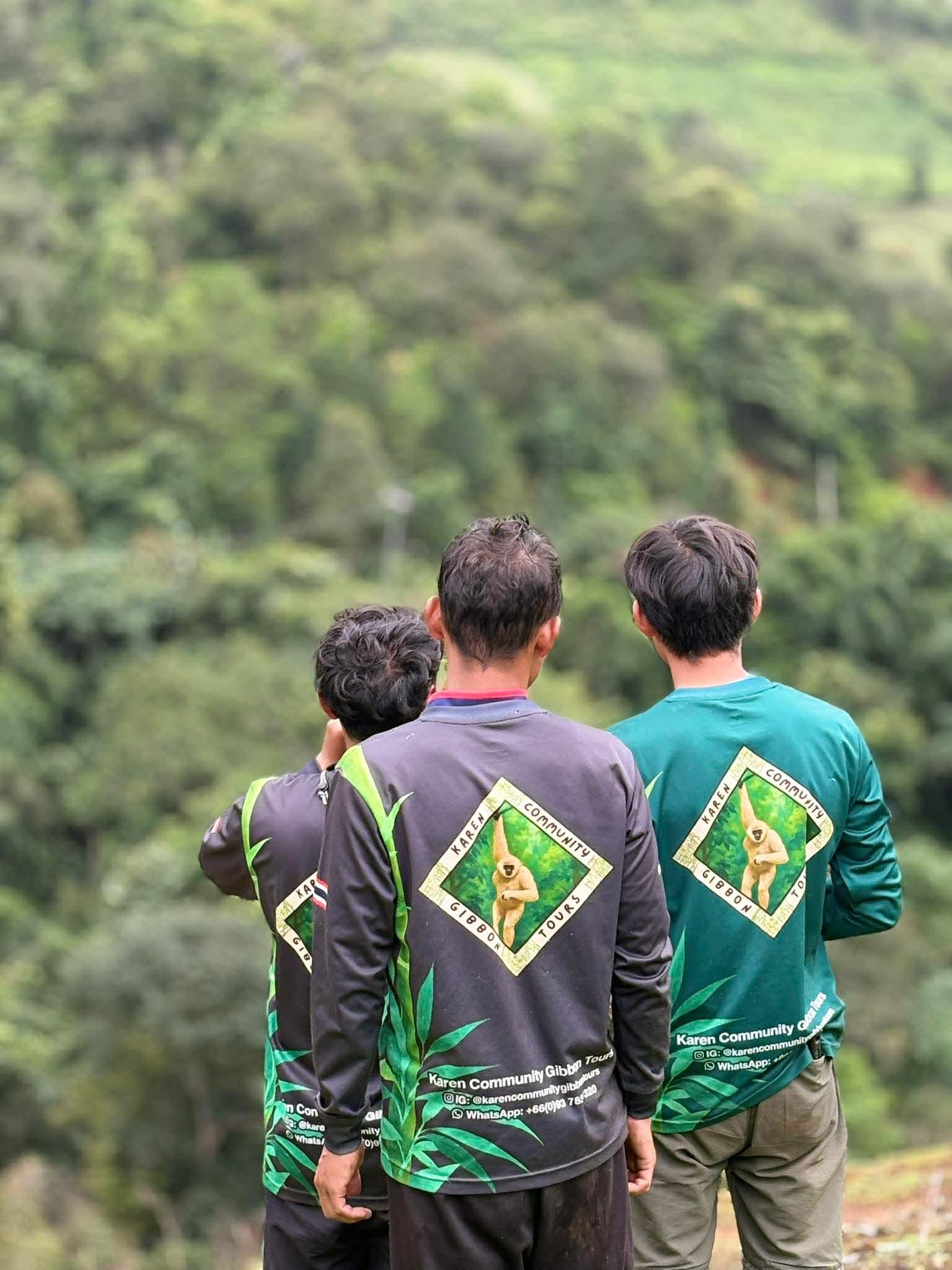
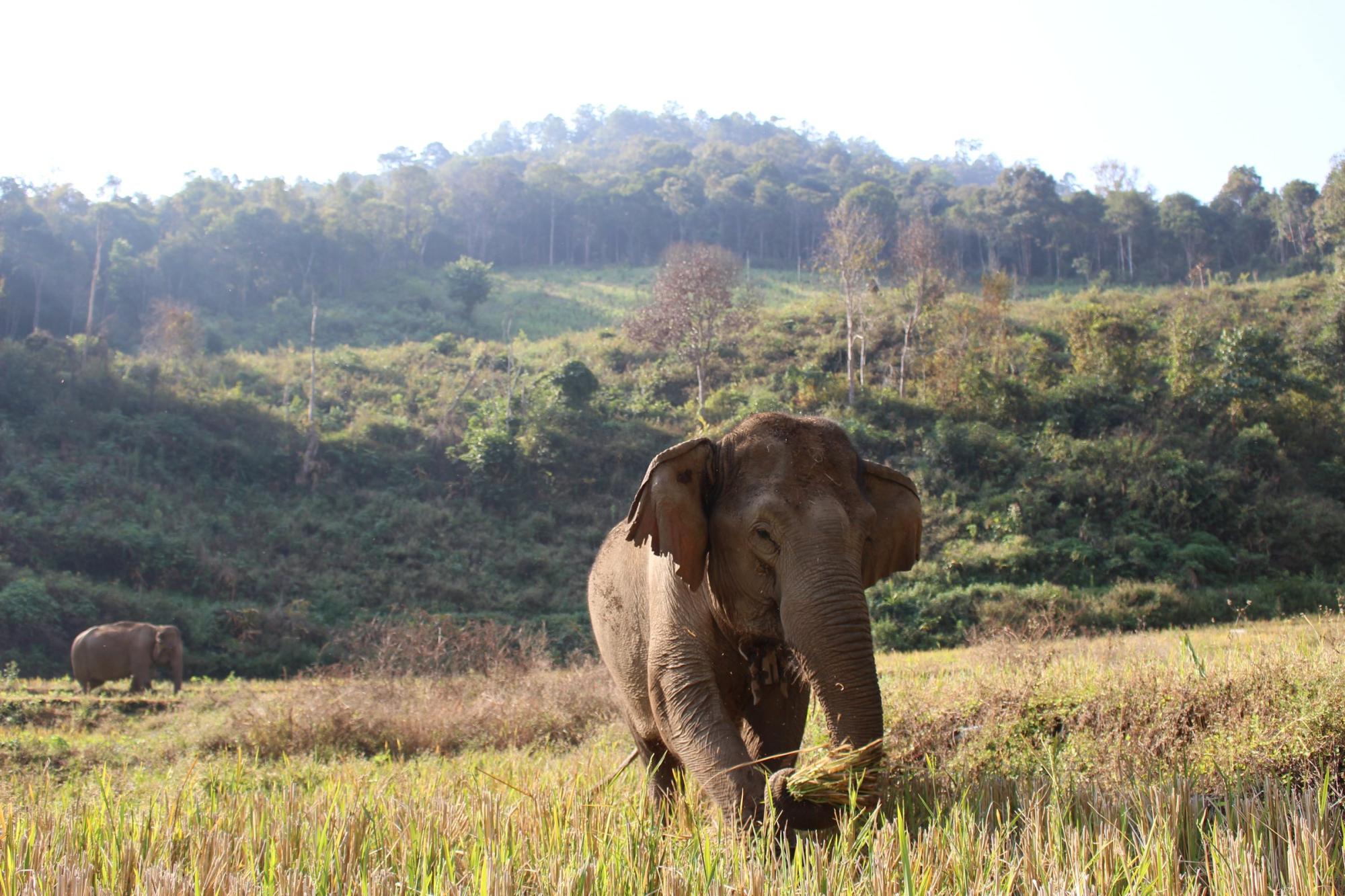
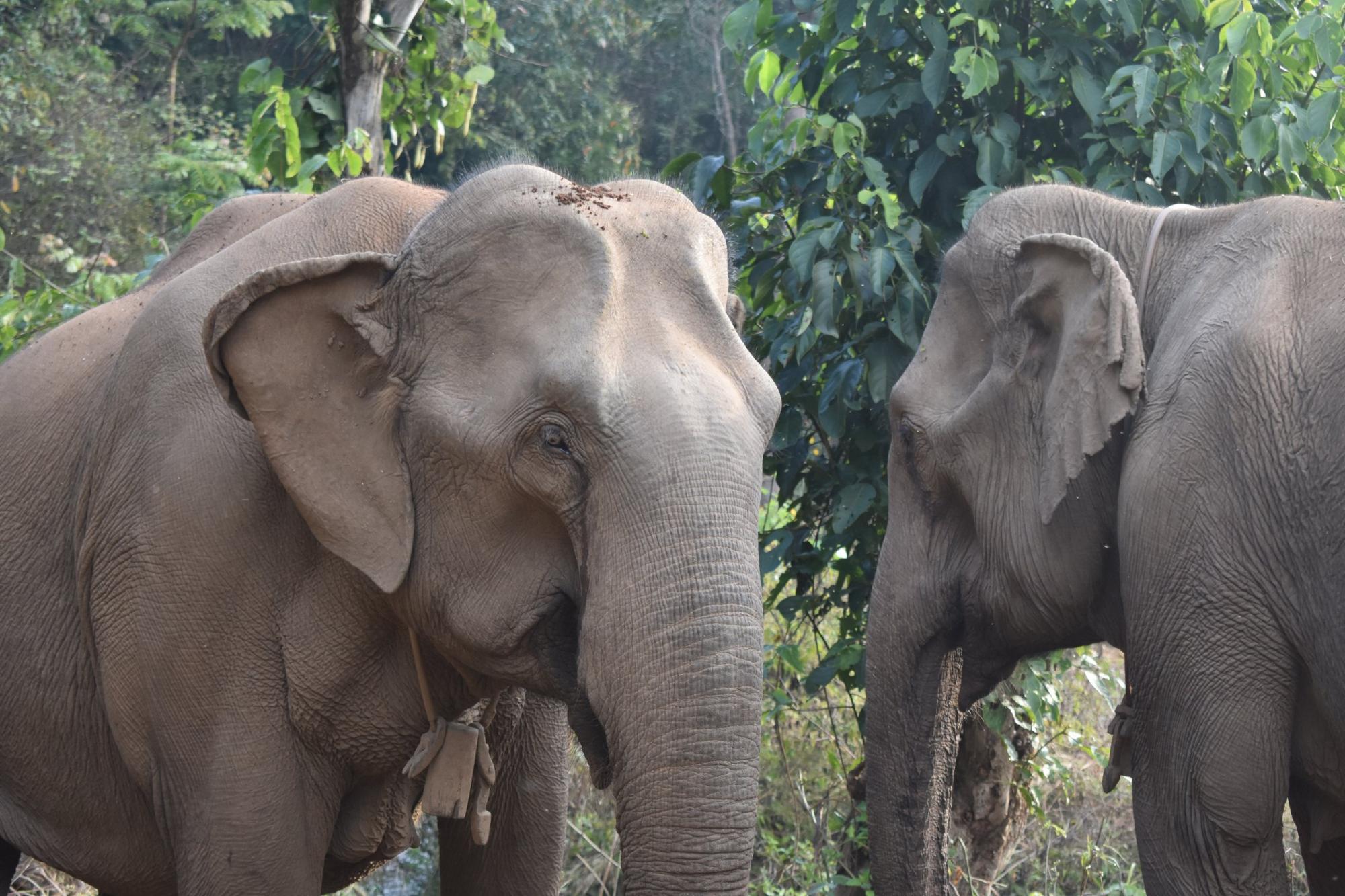
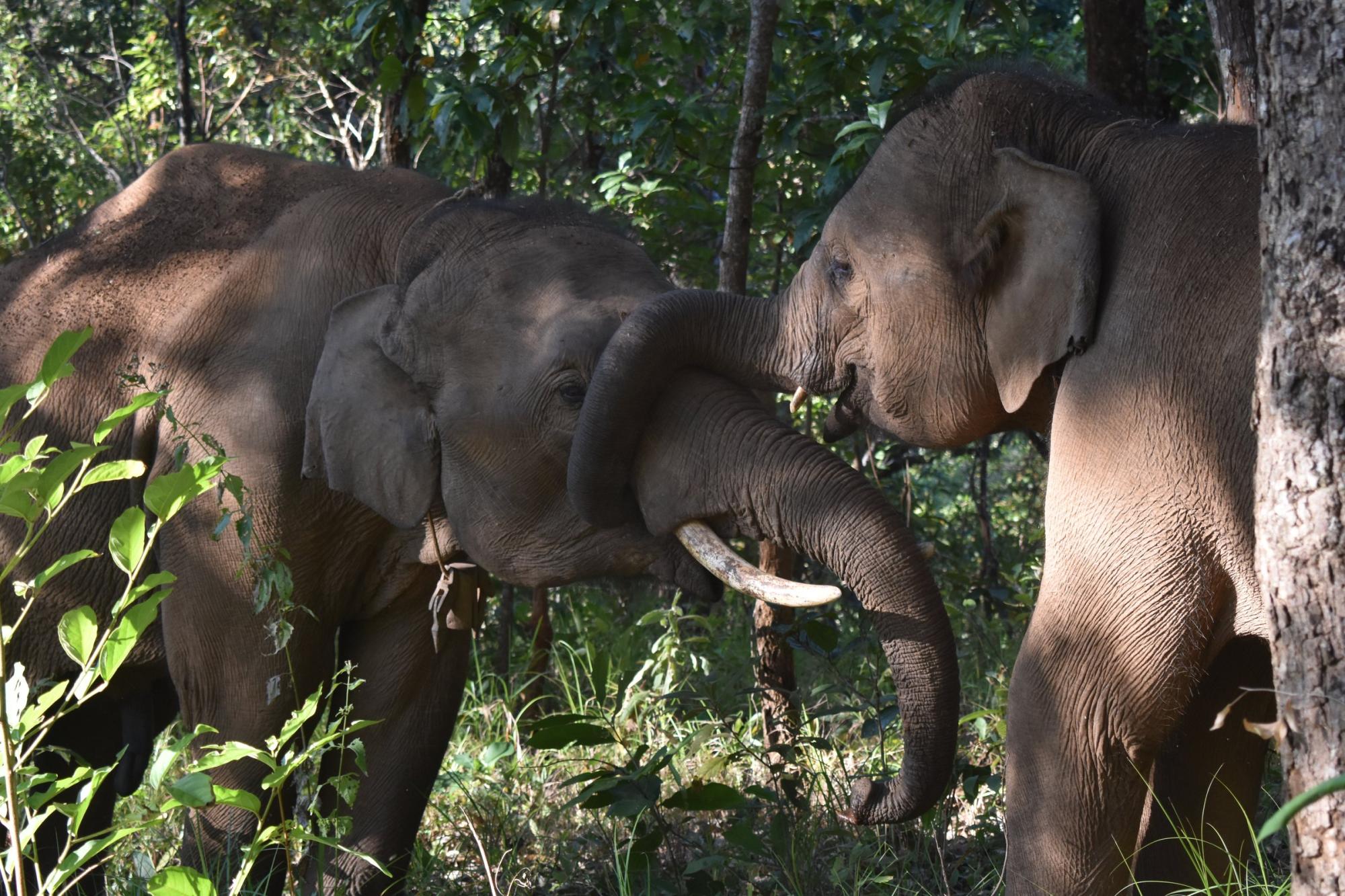
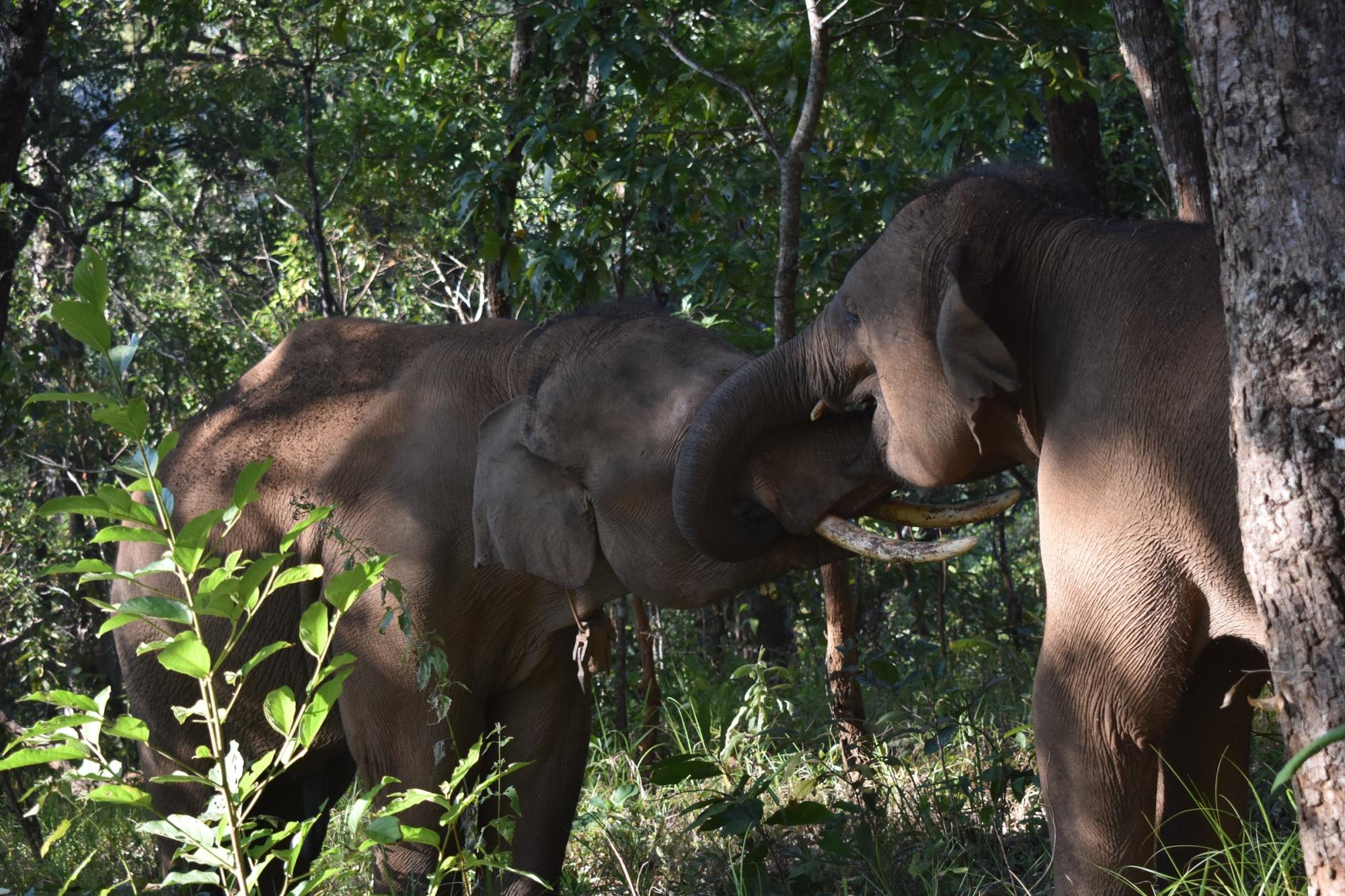
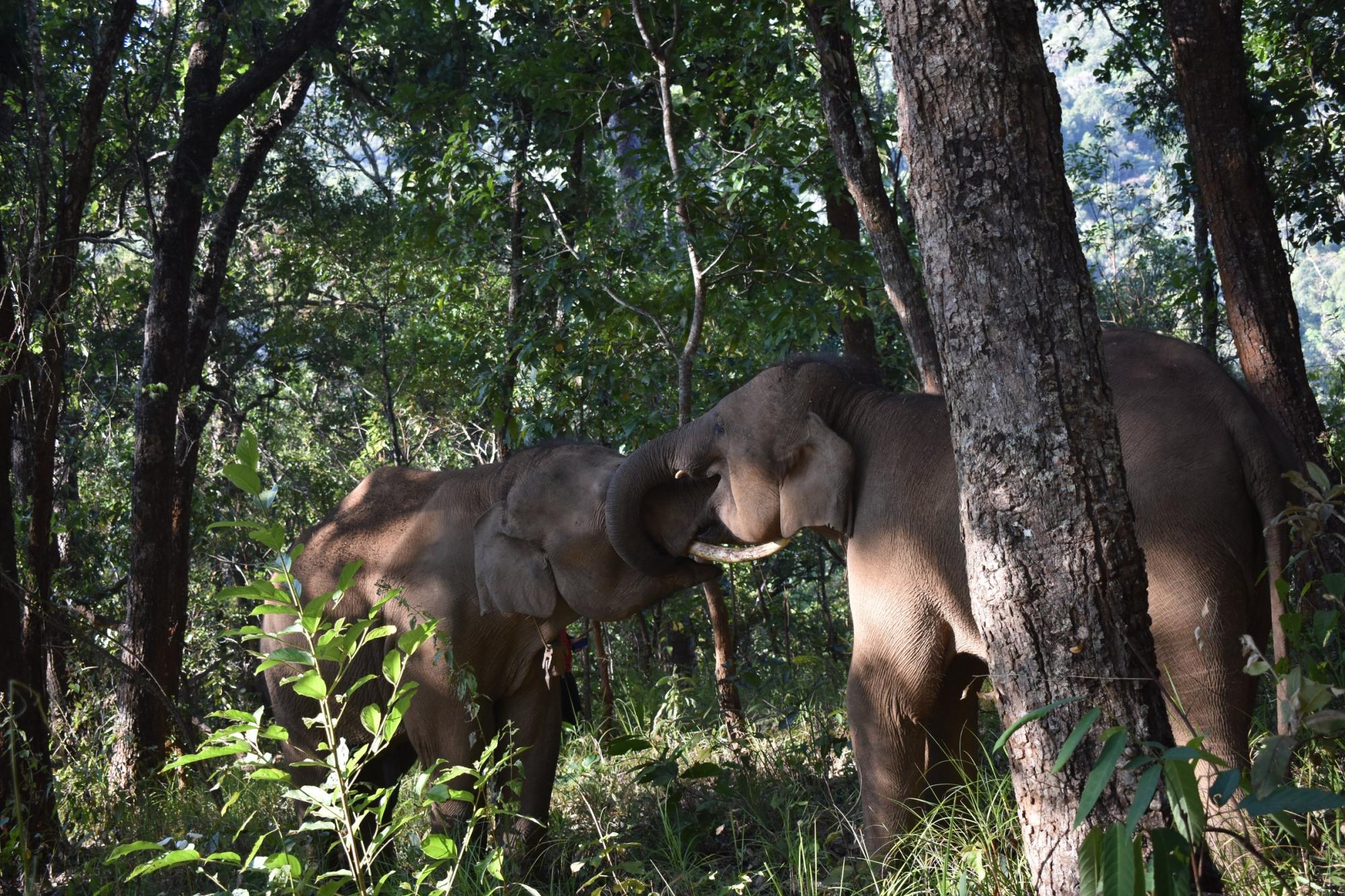
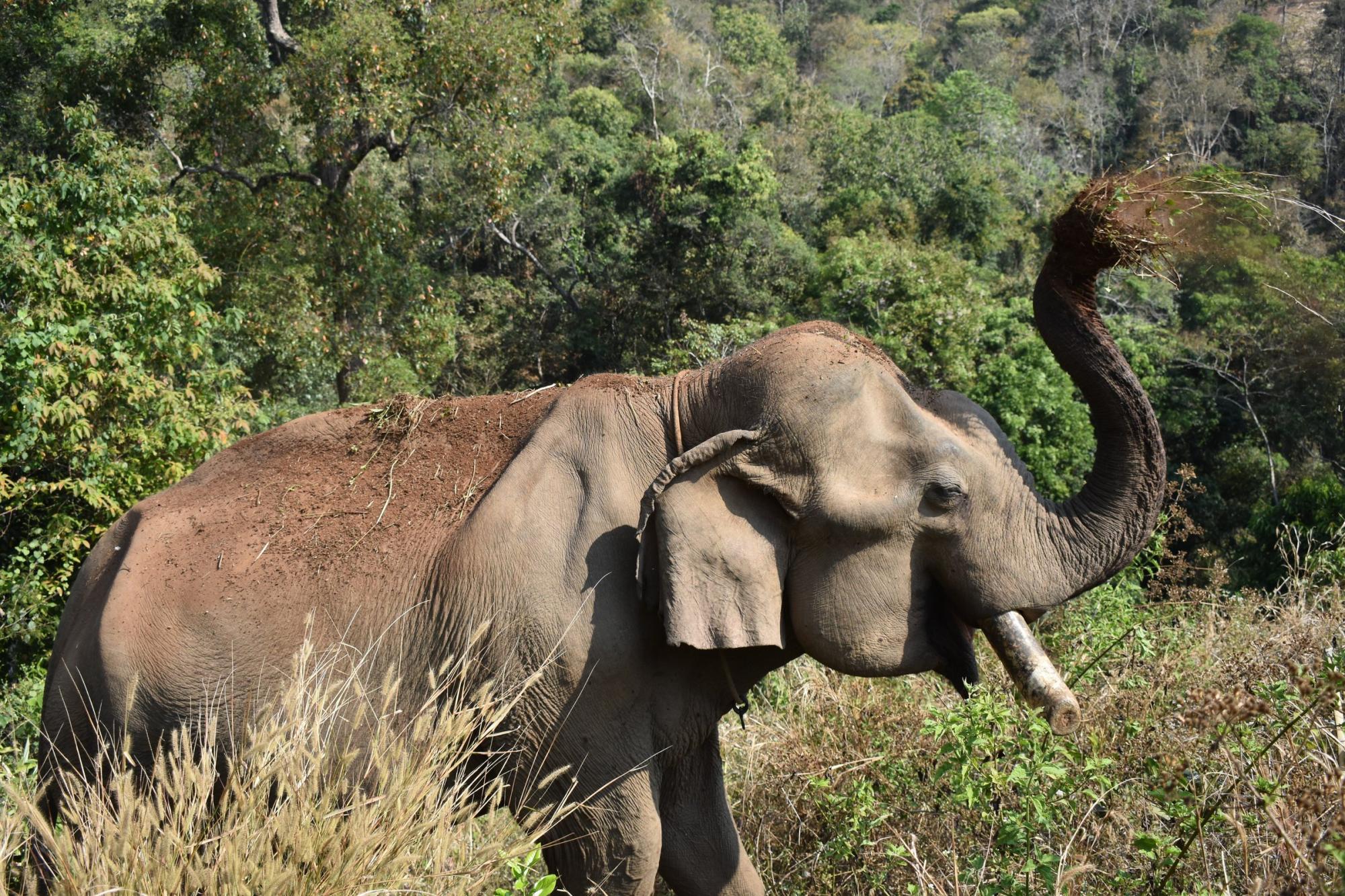
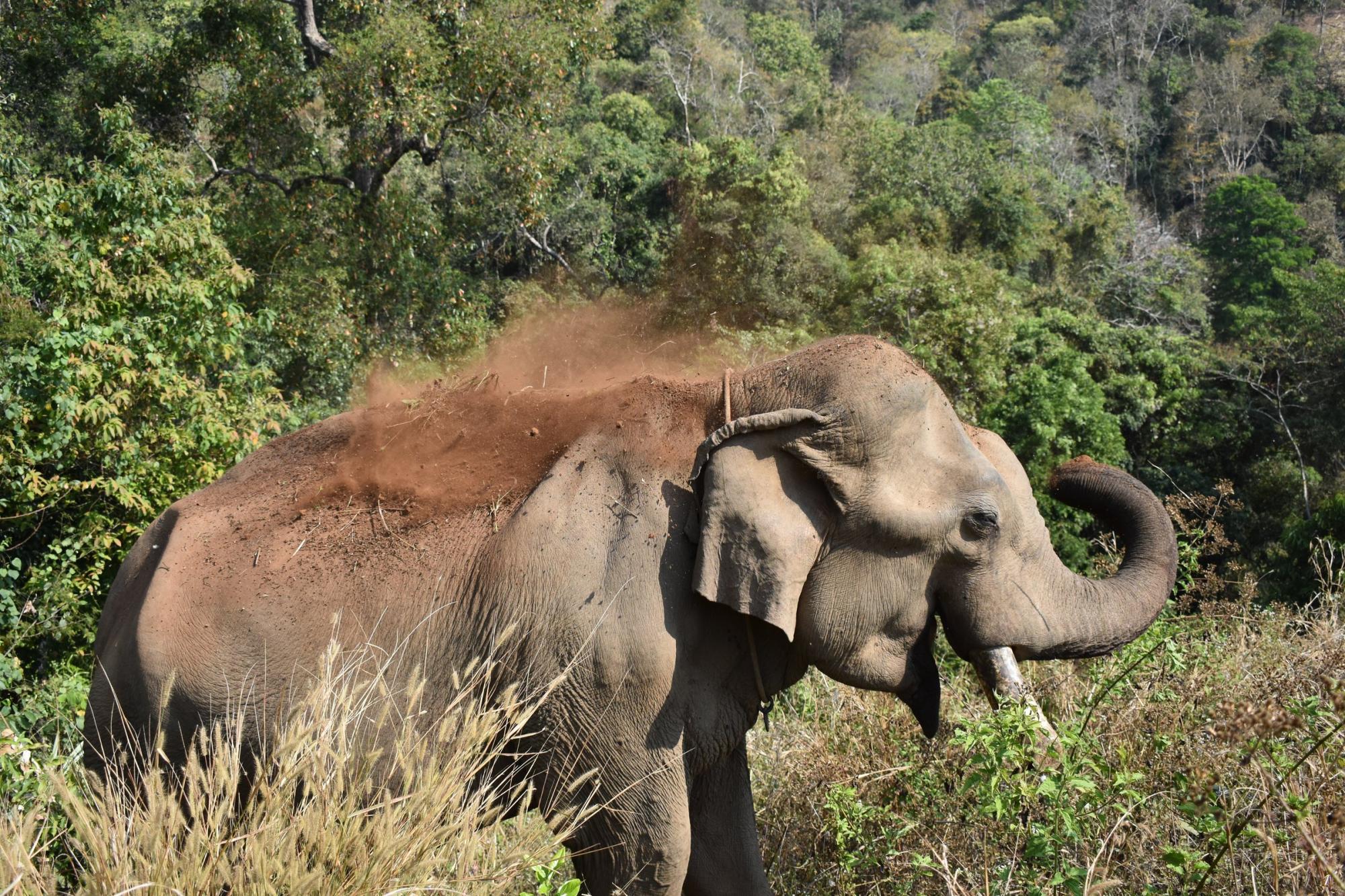
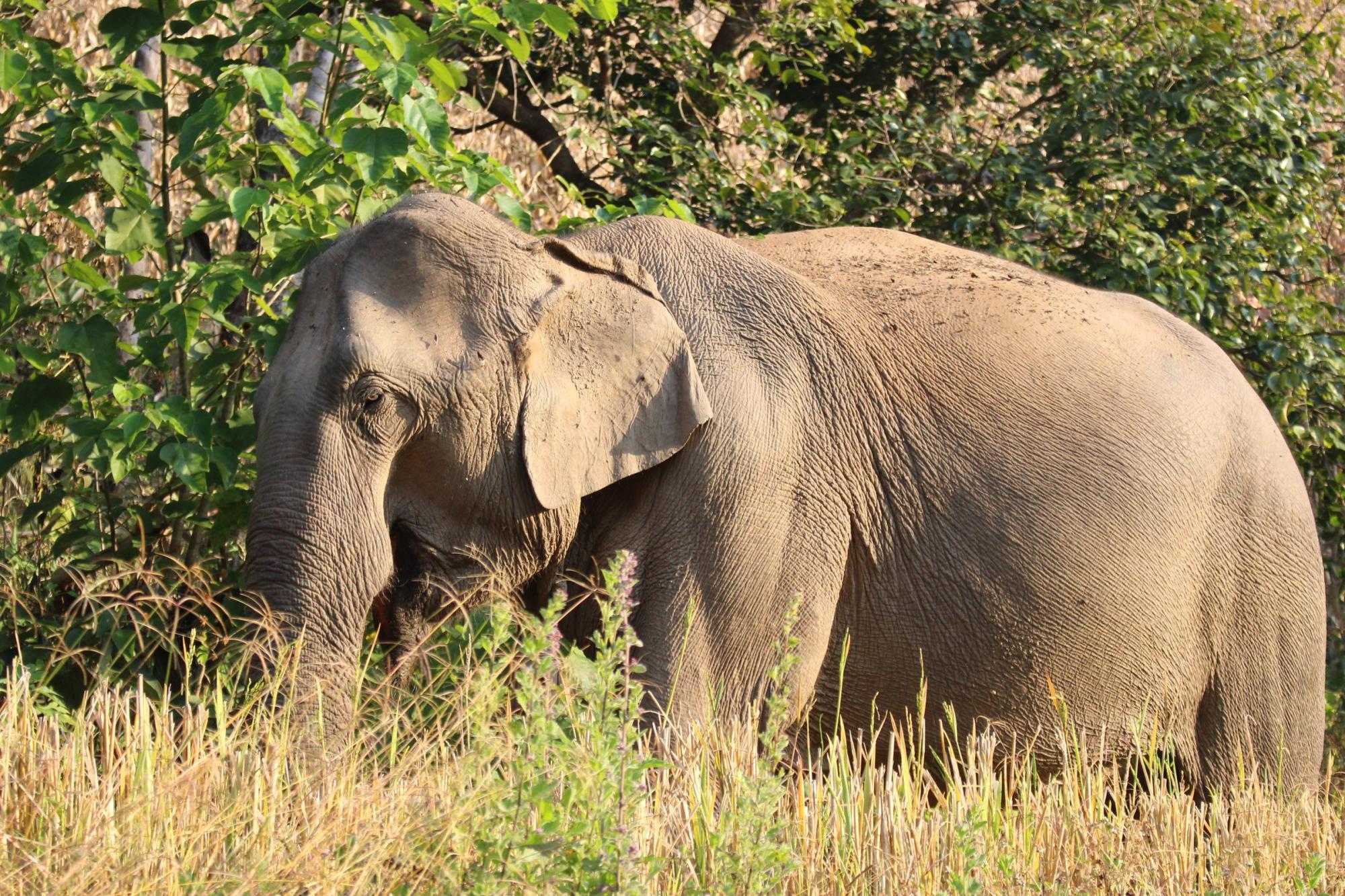
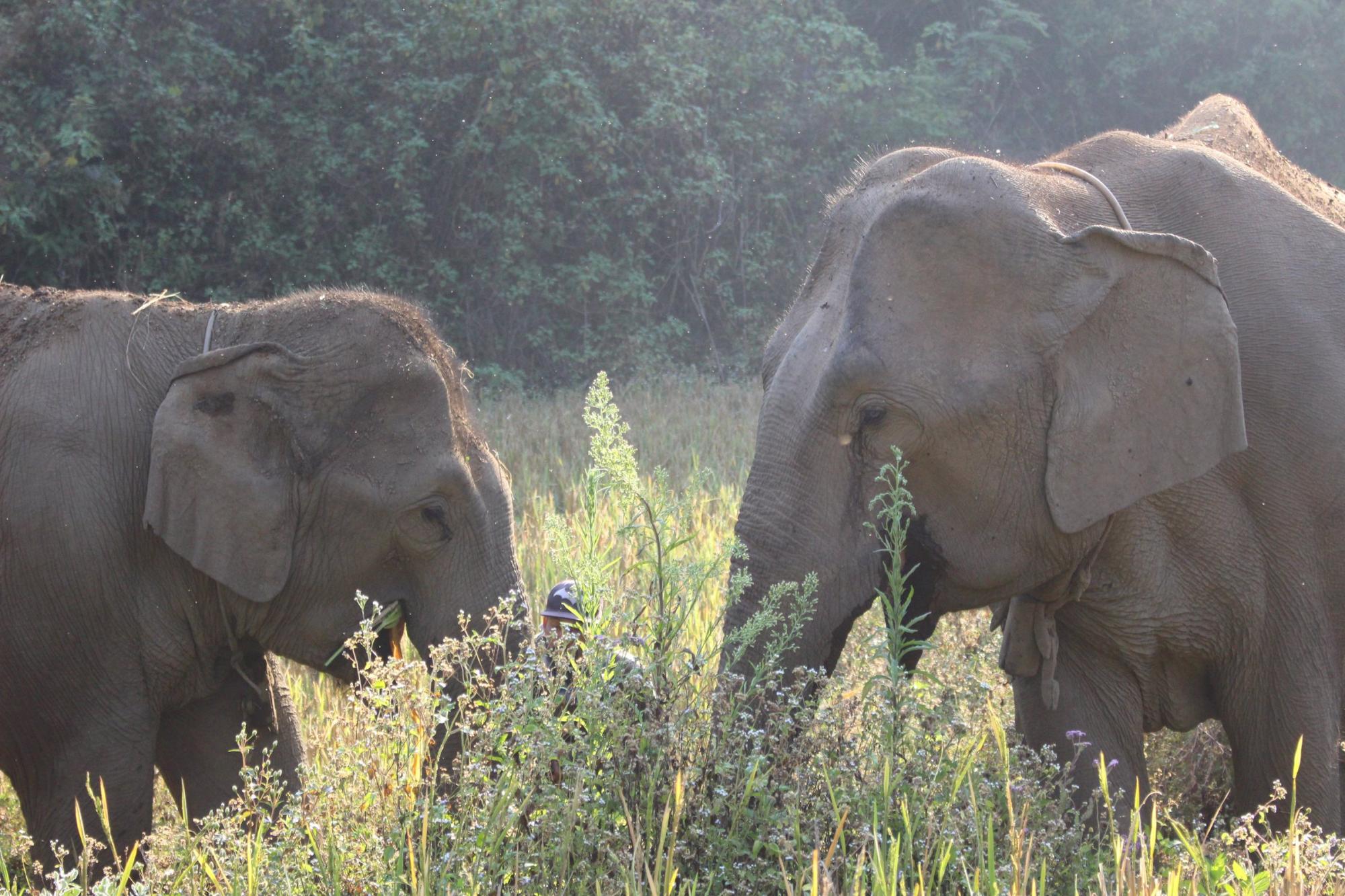
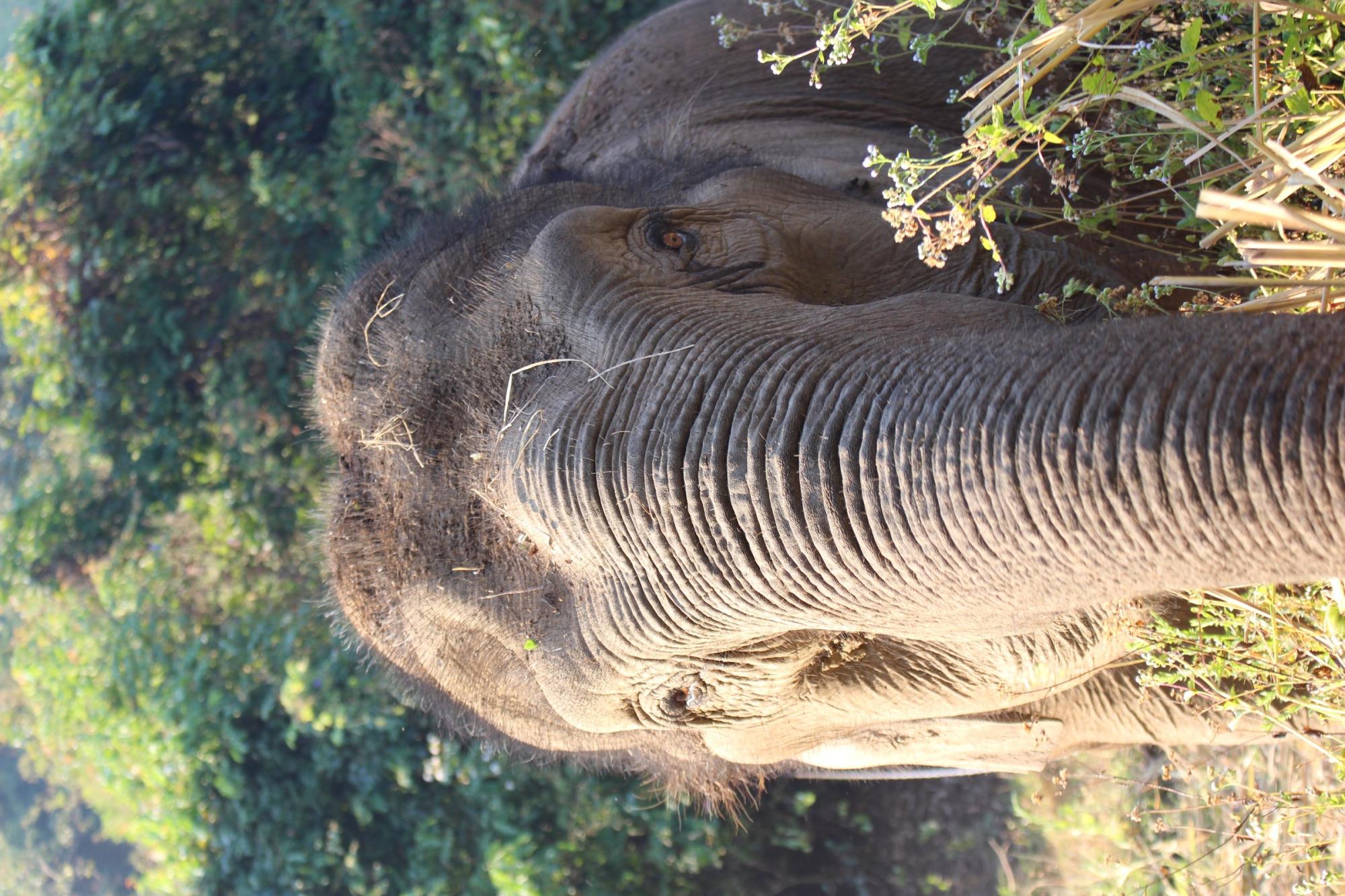
The project supports the welfare of Asian elephants that have been retired from the tourism industry and reintegrated into their natural forest habitat. Elephant work is strictly observation-only: Karen mahouts guide the semi-wild elephants as they roam and forage, while the team follows at a distance to record behavioural, welfare and health data. There is no riding, bathing, feeding or direct contact. This is a reintegration project rather than a rescue or reintroduction project, and because most Asian elephant research is on captive animals, the semi-wild forest setting offers a rare chance to study elephants transitioning from captivity to a natural environment.
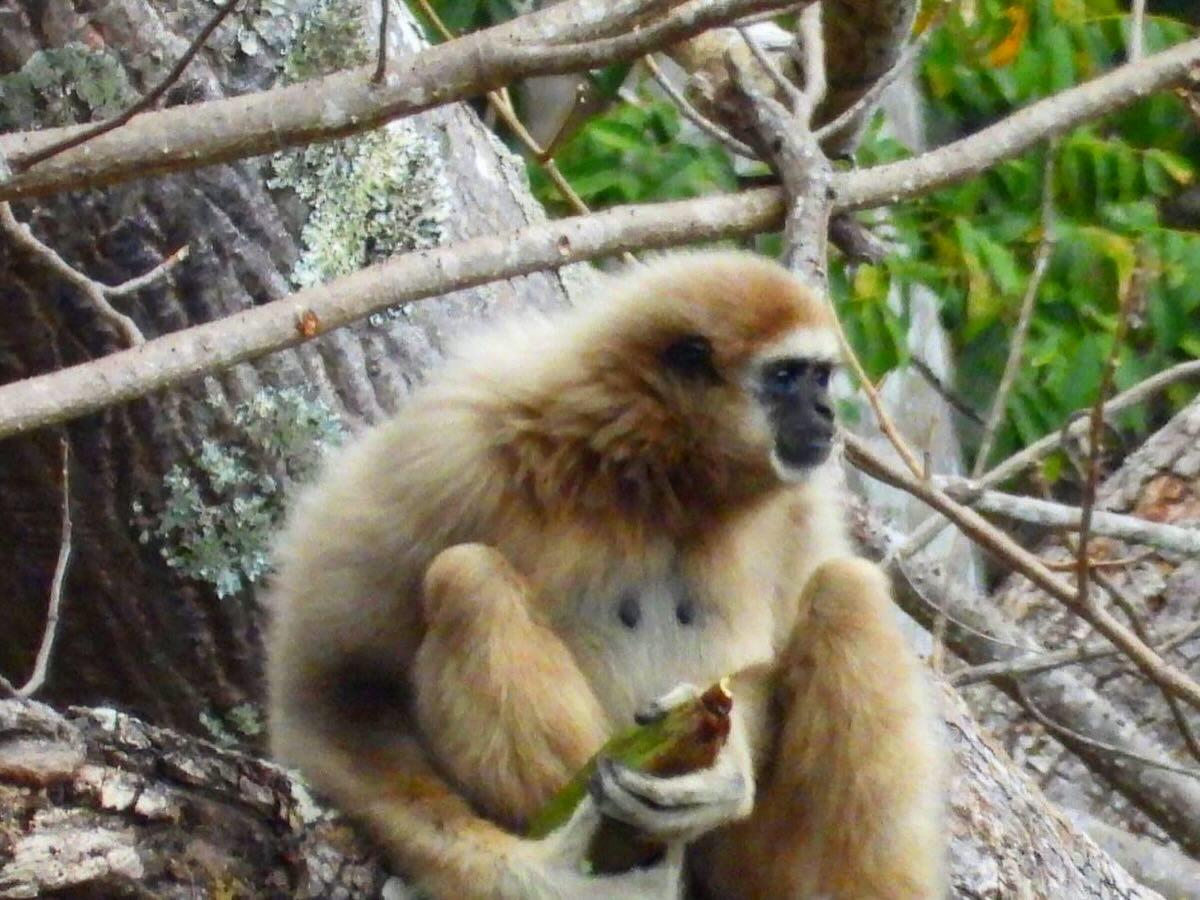
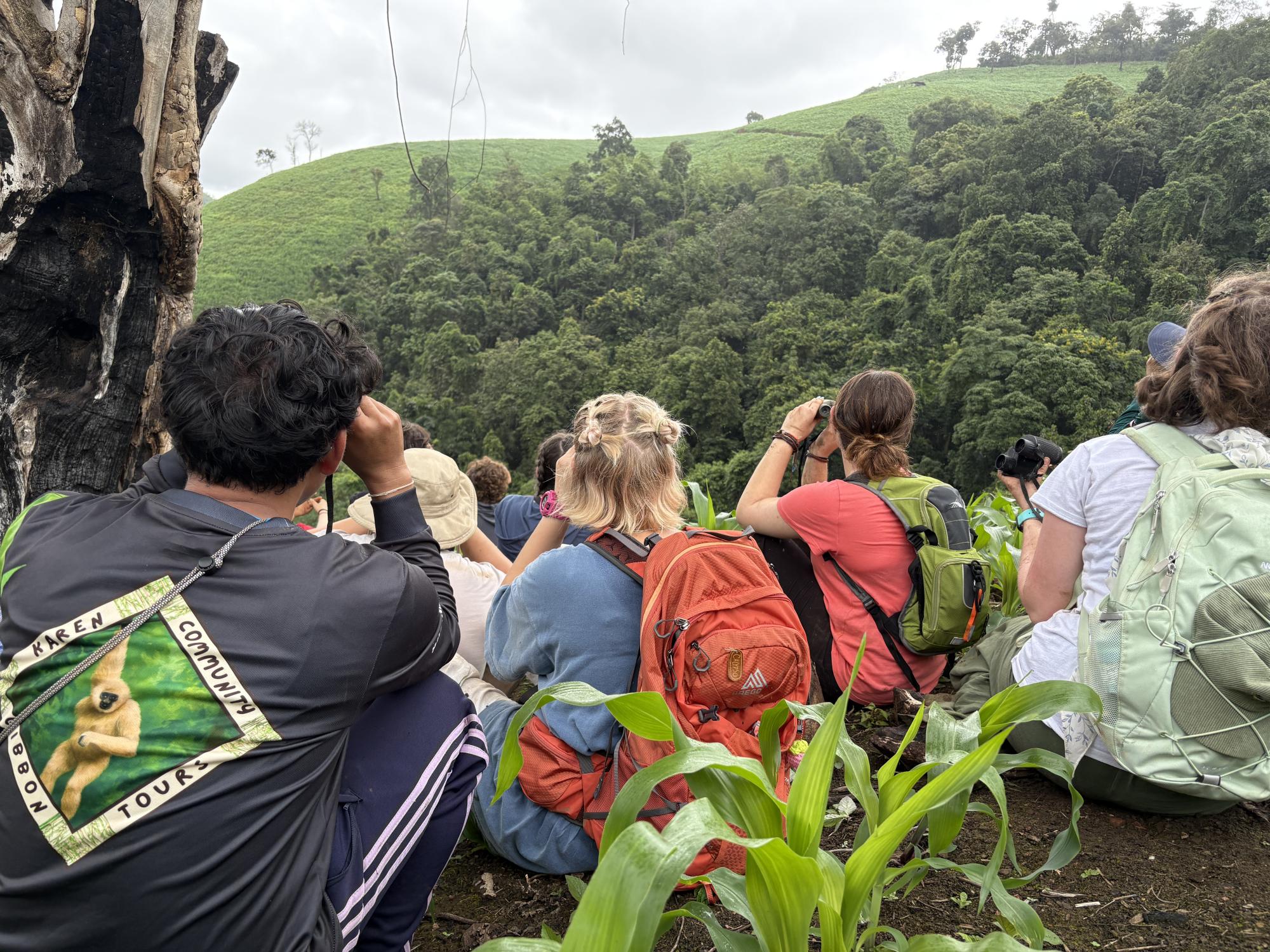
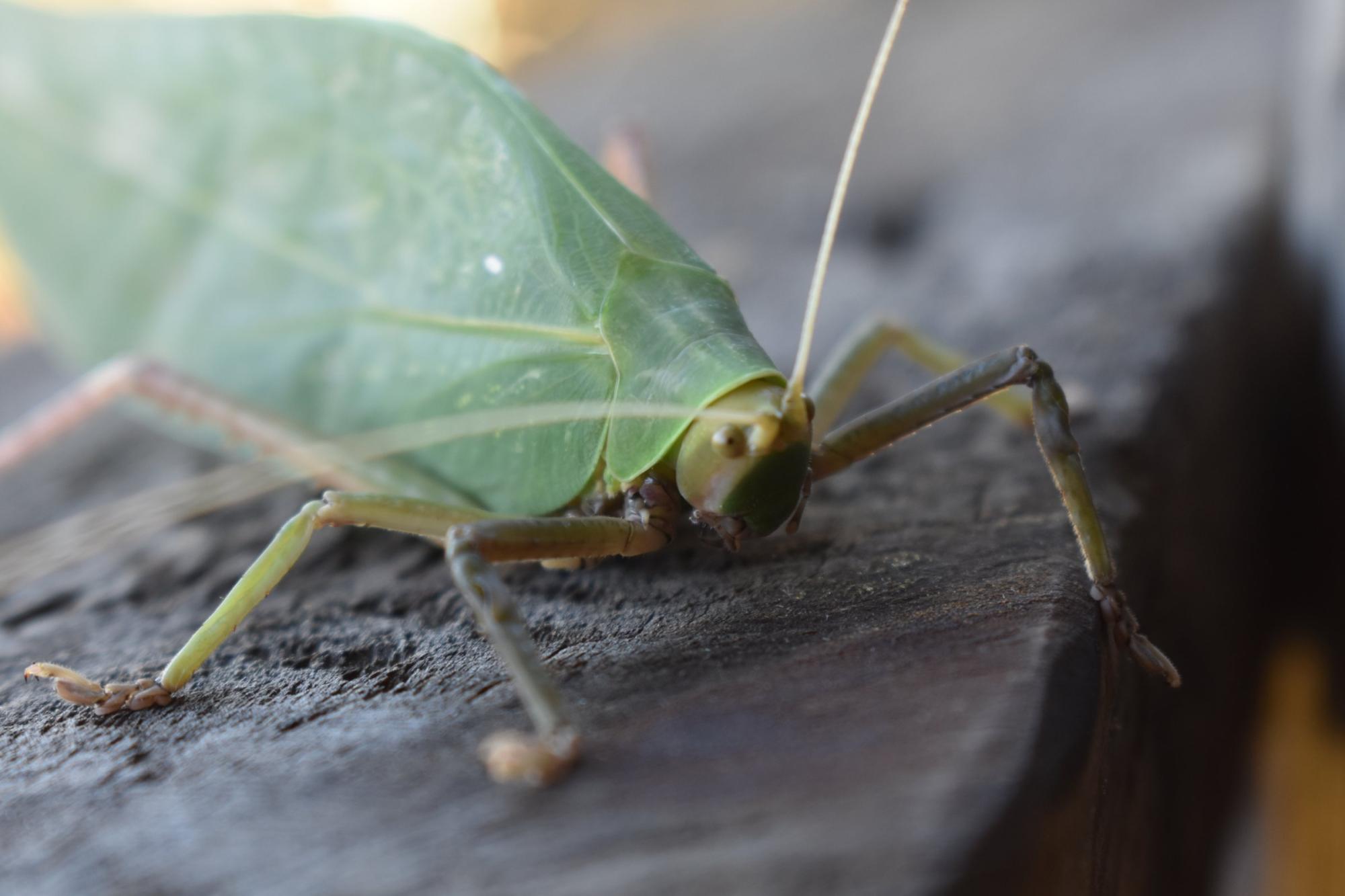
Alongside the elephant work, the project runs long-term, non-invasive wildlife monitoring: sight-and-song surveys of wild white-handed (Lar) gibbons to map family territories, plus surveys of birds, mammals, reptiles, amphibians and invertebrates, with records uploaded to the citizen-science databases iNaturalist and eBird. The data supports advocacy for forest protection, reforestation and wildlife corridors.
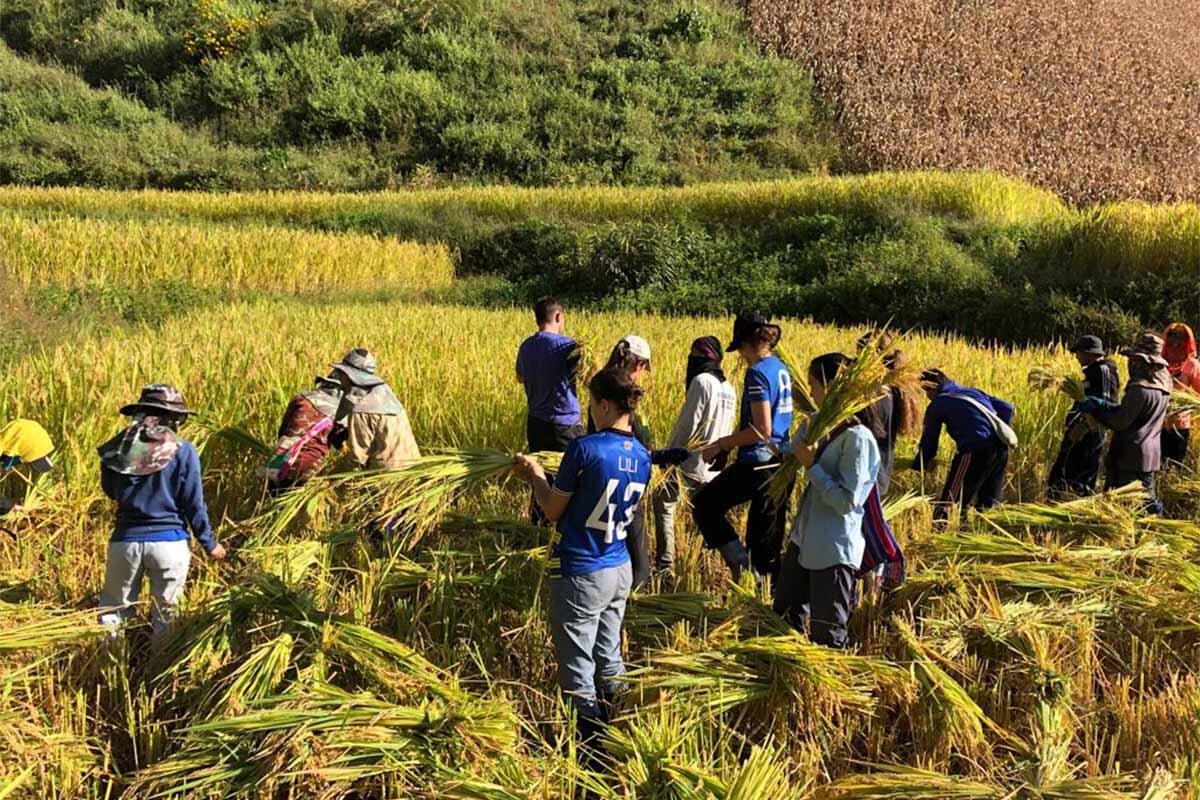
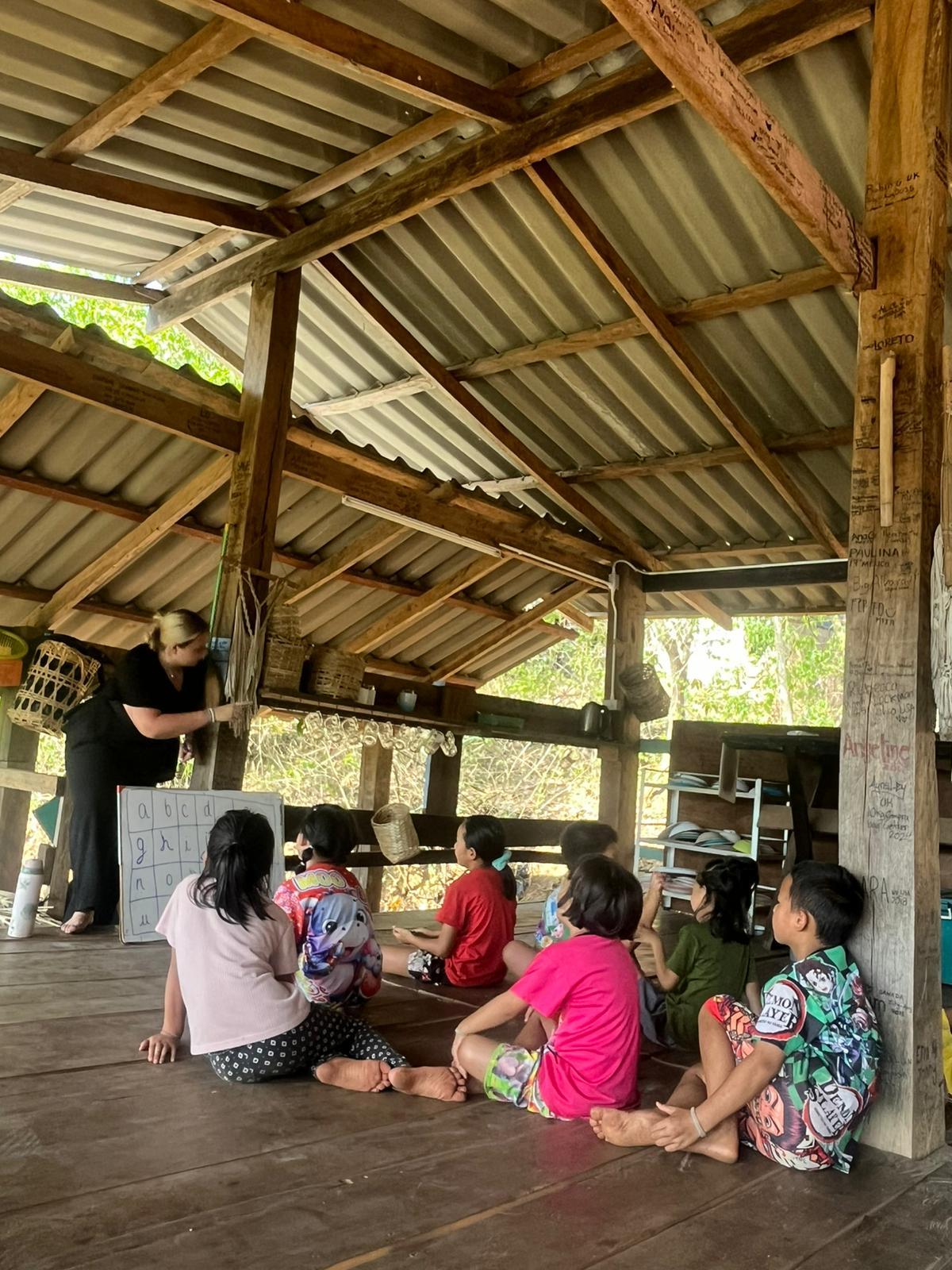
The community side of the project works in partnership with the Karen village of Huay Pakoot on education and development. This includes English lessons for children aged roughly 2 to 12 at the local school and nursery, informal adult English classes tied to employability and the tourism economy, and wider support for women's and vocational workshops, traditional health and wellness activities, village gardening and capacity-building that helps families host visitors in homestays.
- Elephant work is strictly observation-only, at a distance, guided by Karen mahouts, with no riding, bathing, feeding or touching.
- The Karen (Pakinyaw) community has lived alongside elephants for generations and regards them as family; the community foundation was set up so village income can keep the elephants in the forest.
- A wild Lar gibbon monitoring programme began in 2023, using non-invasive sight-and-song surveys to map family territories and support forest protection.
- Notable IUCN-listed species in the area include the Endangered Asian elephant and Lar gibbon, the Critically Endangered Sunda pangolin, and the Vulnerable king cobra.
- The project won the Volunteering category of the Thailand Green Excellence Awards 2013, presented by HRH Princess Ubolratana Mahidol.
Project work
Elephants & forest
We support Asian elephants retired from the tourism industry as they live and forage in their natural forest habitat, and we monitor the wider biodiversity around them. All elephant work is strictly observation-only: there is no riding, bathing, feeding or touching, and data is recorded from a distance so the elephants can live as naturally as possible.
Community-led & ethical
The project is led in partnership with the Karen (Pakinyaw) elephant-keeping community of Huay Pakoot and the community-founded Huay Pakoot Elephant Community Foundation, which channels visitor income across the village so families can afford to keep their elephants in the forest. Alongside conservation, we support the community through children's and adult English teaching and wider development work.
Approach
This organisation supports the welfare of Asian elephants retired from the tourism industry and reintegrated into their natural forest habitat, and monitors the wider biodiversity of the surrounding forest. It is community-led in partnership with the local Karen elephant-keeping community and its foundation, and works to sustain an alternative, self-sufficient ecotourism livelihood so families can afford to keep their elephants in the forest.
Because most Asian elephant data comes from captive animals, the semi-wild setting allows study of the transition from captivity to a natural environment. Wildlife records feed citizen-science databases, and the station operates with no single-use plastic, a majority plant-based menu, an on-site garden, composting, ecobricks and tree planting.
Impact
The Canopy Conservation works in the forested hills of Chiang Mai province, northern Thailand, pairing conservation science with community support. Our conservation teams observe and monitor Asian elephants living semi-wild in their natural habitat, survey biodiversity and endangered species, run environmental and sustainability workshops, and take part in litter clean-ups, ecobrick building and reforestation. Alongside this, our community teams deliver English learning sessions for local children and adults and support wider community development. The figures below are drawn from our own annual records for 2023 to 2026 and are grouped by year. Community records begin in 2024, and 2026 covers only the opening months of the year.
2026
2025
2024
2023
Milestones
- 2010the first volunteers arrived in July, and funding was committed later that year to return a herd of five elephants to the forest.
- 2011Song Kran became the first elephant calf to turn one on the project.
- 2013the herd doubled in size, and the project won the Volunteering category of the Thailand Green Excellence Awards, presented by HRH Princess Ubolratana Mahidol at the World Travel Market in London.
- 2014the herd grew to ten elephants.
- 2015Wan Mai became the first elephant born on the project (February), and the project marked five years in the village with the community.
- 2017the English classes requested by the village — homestay, mahout, primary, pre-school and women's classes — were all running.
- 2018an elephant medicine project led by community liaisons began.
- 2019a women's empowerment healthcare workshop and a village herb garden started. Khum Suk, one of the long-serving elephants, died of old age.
- 2020the project went into hibernation in March because of COVID-19.
- 2021the community foundation partner was formally established.
- 2022Thong Dee, the project's original elephant, died of old age.
- 2023gibbon monitoring began in February, with sight-and-song surveys at two locations; a new gibbon mating pair, Lola and Lenny, was found in September.
- 2024four more gibbons had been discovered by January, and a new survey site opened.
Elephants have at times had to leave the programme because of funding constraints, and several of the long-serving herd have died of old age over the years.
Highlights
- Elephant work is strictly observation-only, at a distance, guided by Karen mahouts, with no riding, bathing, feeding or touching.
- The project reintegrates elephants retired from the tourism industry back into their natural forest habitat, rather than keeping them in captivity.
- The Karen (Pakinyaw) community of Huay Pakoot has lived alongside elephants for generations and regards them as family; the community foundation partner was set up so village income can keep the elephants in the forest.
- Because most Asian elephant research is on captive animals, the semi-wild forest setting here offers a rare chance to study elephants transitioning from captivity to a natural environment.
- A wild white-handed (Lar) gibbon monitoring program began in 2023, using non-invasive sight-and-song surveys to map family territories and support forest protection.
- Wildlife records feed citizen-science databases iNaturalist and eBird.
- Notable IUCN-listed species in the area include the Endangered Asian elephant and Lar gibbon, the Critically Endangered Sunda pangolin, and the Vulnerable king cobra.
- The project won the Volunteering category of the Thailand Green Excellence Awards 2013, presented by HRH Princess Ubolratana Mahidol.
- The station operates with no single-use plastic, a majority vegetarian/vegan menu, an on-site vegetable garden, composting, recycling, ecobricks and tree planting.
- Programs range from one-week volunteering to a six-month professional apprenticeship with a guaranteed placement and recognised qualifications, plus a research fellowship with academic supervision and publication opportunities.
Setting
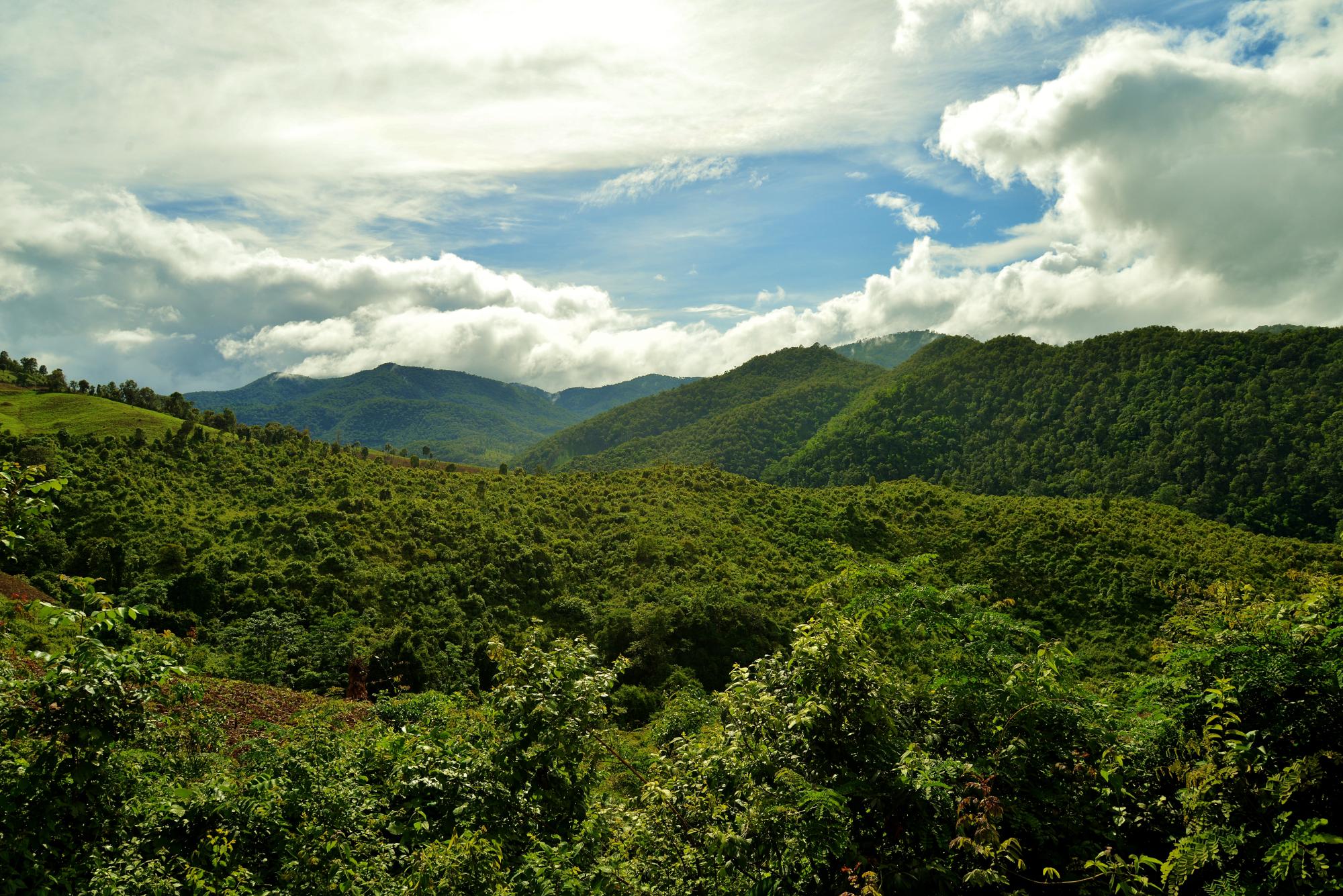
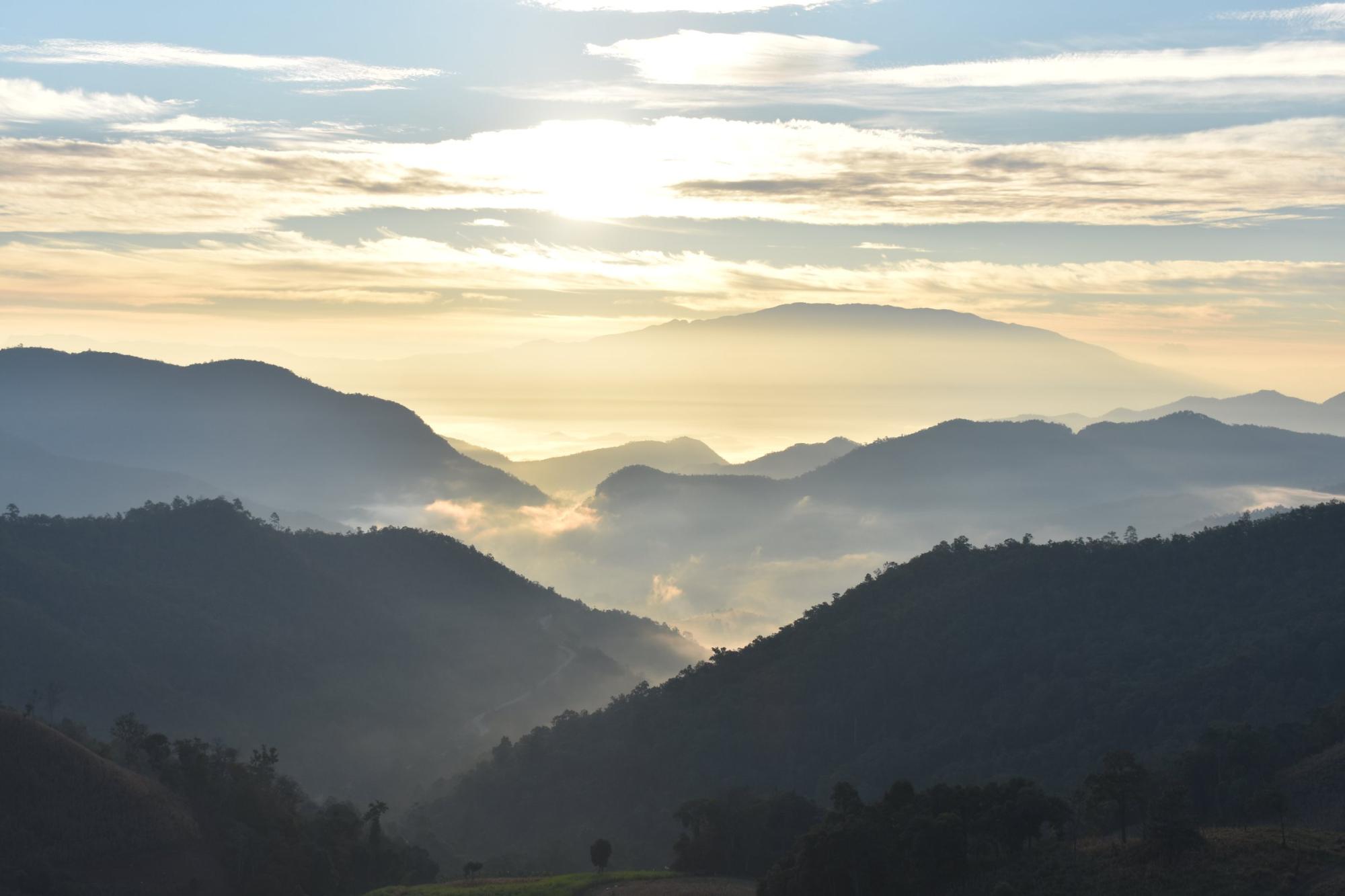
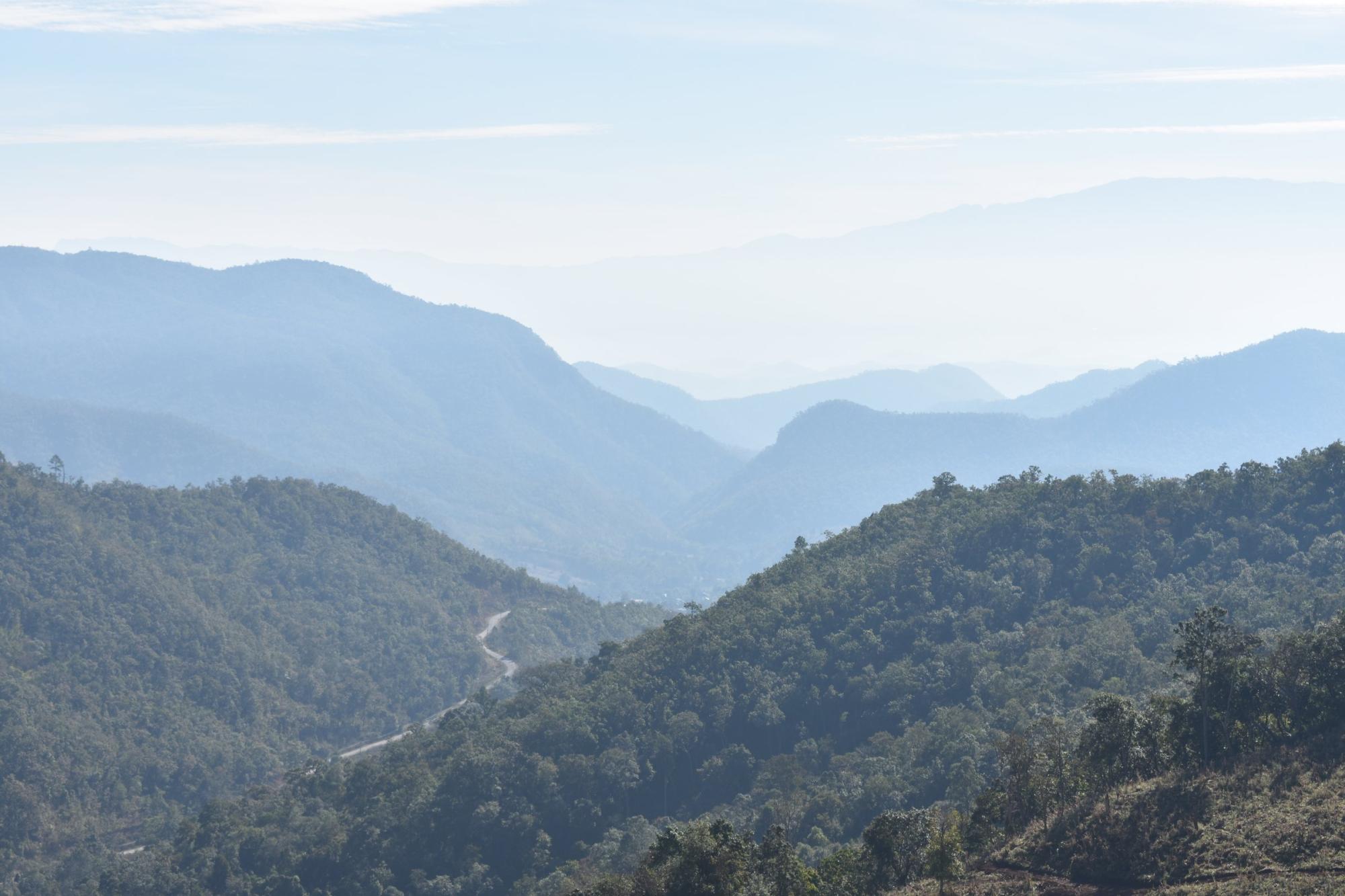
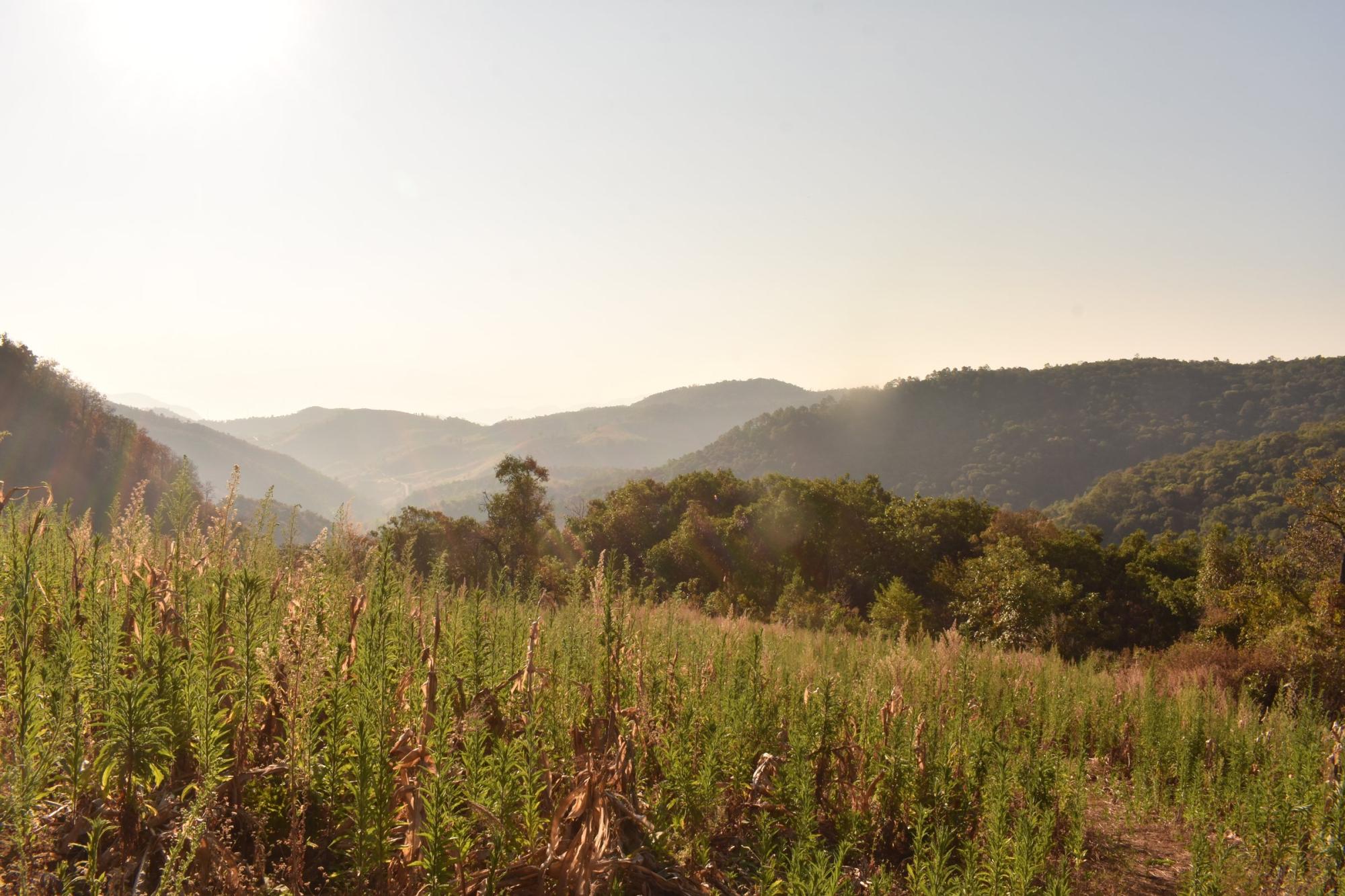
The project is based at a research station in the hilltop Karen village of Huay Pakoot, in the mountains of the Chiang Mai region of Northern Thailand, home to around 400 Karen (Pakinyaw) people who have lived alongside elephants for generations. The station sits high above rolling green fields and forest, with clouds rolling through at eye level in the rainy season, and elephant fieldwork takes place across the surrounding forests of the Mae Chaem District.
The village is remote: the nearest town is around an hour away, Mae Chaem roughly two hours, and Chiang Mai city around five hours. The area has three seasons: cool (Nov-Feb, 15-28C), hot (Mar-Jun, 24-36C) and rainy (Jul-Oct, with monsoon peaking Aug-Sep). The wider landscape includes Doi Inthanon National Park, Thailand's highest peak, and its waterfalls.
Volunteering in Thailand
Northern Thailand's captive elephant population is tied up with the tourism economy. Community-based projects like this one exist to make keeping elephants in forest a viable alternative for the families who own them.
Volunteer placement FAQs
What does a typical week look like?
Most weeks combine time in the forest observing and monitoring elephants with biodiversity and endangered species surveys, and involvement in environmental or sustainability workshops, clean-ups and ecobrick building. Depending on the role you may also help deliver English learning sessions for local children or adults. Days are structured around planned fieldwork and community sessions, with time built in for rest and for life in the village.
Each day has a theme, and every day follows the same rhythm: fieldwork in the morning, data and workshops in the afternoon, and time with the Karen community in the evening. A five-day group visit runs through the themes once; longer placements repeat and deepen the same pattern.
- Elephant conservation — a guided forest trek alongside the community’s elephants, learning about their behaviour, welfare and reintegration; then a Karen lunch, a language lesson, a village orientation and an introduction to data collection; a homestay dinner and a mahout craft workshop in the evening.
- Gibbon conservation — a dawn gibbon survey with behaviour monitoring and rainforest ecology; data entry, an agroforestry workshop and conservation discussions; a wildlife documentary and conservation presentation in the evening.
- Community development — English teaching or a community development project; visits to local enterprises and village development initiatives; a Karen cultural evening.
- Biodiversity conservation — bird surveys, camera trapping and elephant monitoring; species identification and biodiversity monitoring; a biodiversity workshop in the evening.
- Forest restoration — tree planting and forest restoration, then programme reflection, certificate presentation and departures.
Fitness: moderate — comfortable walking 5–10 km through tropical forest in warm, humid conditions.
Where will I stay?
Volunteers stay in the village where the project is based, in a private room in a local Karen family homestay. Conditions are basic, with cold running water and mosquito nets. Meals are provided, with vegetarian, vegan and non-vegetarian options available. Living within the community is part of the experience and supports the project’s close working relationship with local residents.
What does the project do?
The project combines wildlife conservation with community support in the Chiang Mai region of northern Thailand. Conservation work centres on observing and monitoring Asian elephants living in their natural forest habitat, surveying biodiversity and endangered species, running environmental and sustainability workshops, and taking part in clean-ups, ecobrick building and reforestation. Community work focuses on English learning sessions for local children and adults.
Can we touch, ride or bathe the elephants?
No. This is a strictly observation-only project. The elephants live semi-wild in their natural forest habitat, and volunteers watch and record their behaviour from a respectful distance. There is no touching, riding, bathing or hands-on contact of any kind. This approach protects the elephants' welfare and their natural behaviour, and it is central to how the project works.
What is provided while I am there?
Accommodation, meals and in-country support and training for the work are provided. You will be shown how to carry out surveys, record observations and take part in workshops and clean-ups safely. You should budget for your own travel to the meeting point, insurance, visa and personal spending money.
Who can volunteer, and are there age or other requirements?
The project welcomes volunteers from a range of backgrounds. Most placements are open to adults, and you should have a reasonable level of fitness for walking in forested, hilly terrain. No specific qualifications are needed for general conservation and community work. A willingness to learn, follow guidance and work respectfully alongside local people is the main requirement.
Do I need previous experience or specific skills?
No previous experience is required for general volunteering. You will be trained in the survey methods, observation techniques and other tasks once you arrive. If you are joining a role focused on teaching English, an interest in working with learners is valuable, and any relevant experience or training is a bonus rather than a requirement.
How long can I join for?
Placements are available over a range of durations, from shorter stays of a few weeks to longer commitments for those who want more time in the field. Longer stays allow you to build familiarity with the elephants, the survey work and the community, and to contribute to the project's longer-term records.
How does joining work?
You can register your interest and then arrange the details of your placement, including dates and the type of role. Once confirmed, you will receive practical information ahead of your arrival, and you make your own way to the agreed meeting point in Thailand, from where you travel to the project together.
What conservation work will I be involved in?
Conservation activities include observing and monitoring semi-wild Asian elephants in the forest, carrying out biodiversity and endangered species surveys, recording the species seen, and taking part in environmental and sustainability workshops. Volunteers also help with litter clean-ups, ecobrick building from collected plastic waste, and reforestation.
What community work does the project involve?
The community programme centres on English learning. Volunteers help deliver English sessions for local children and, at times, for adults, supporting confidence and everyday language skills. In 2025 the project ran 439 children's English sessions reaching 94 children, alongside 92 adult English sessions, giving a sense of the scale of this work.
Why observe elephants in the forest rather than at a sanctuary or camp?
Observing elephants in their natural forest habitat allows them to behave naturally as part of the local ecosystem, without being handled or performing for visitors. The records volunteers help gather build a picture of the elephants' behaviour, movement and wellbeing over time, which supports their long-term protection and the wider case for keeping elephants in the wild.
How does the project reduce its own environmental impact?
The project tracks its own footprint each year, recording waste, energy and fuel use and estimating the carbon associated with base activities. Practical measures include collecting and reusing plastic waste as ecobricks, running clean-ups, offering vegetarian and vegan meals, and introducing solar energy on base. These figures are reviewed annually as part of the project's records.
Is the work measured, and can I see the results?
Yes. The project keeps detailed annual records of its conservation and community work, including the number of surveys carried out, species recorded, workshops delivered, clean-ups completed and learning sessions run. The impact figures on this page are drawn directly from those records for 2023 to 2026, so you can see what has been achieved year on year.
Can I touch, ride or bathe the elephants?
No. This is a strictly observation-only project: participants watch the semi-wild elephants from a distance while mahouts guide them through the forest, recording behavioural and welfare data with no riding, bathing, feeding or direct contact. Wider wildlife monitoring is similarly non-invasive, relying on sight and sound. You are also expected to respect Karen culture and local knowledge, and to channel any donations through official channels rather than to individuals.
Can I volunteer in Thailand?
Yes. The Impact Network Foundation works with one partner organisation in Thailand: Huay Pakoot Elephant, Gibbon & Forest Conservation Project, based in Huay Pakoot, in the mountain forests of the north. You apply to it directly through this site.
What NGOs are there in Thailand?
The NGO in the Impact Network in Thailand is Canopy Conservation, an independent conservation organisation working in Huay Pakoot, in the mountain forests of Chiang Mai Province. It is one of eight NGOs in the network, and the network is deliberately small — every organisation in it is locally run rather than a field office of an international charity.
Are there NGOs in Huay Pakoot?
Yes — Canopy Conservation works in Huay Pakoot, in the mountain forests of Chiang Mai Province. Its work is elephant, gibbon and forest conservation.
What volunteer work can I do in Thailand?
Elephant, gibbon and forest conservation. Elephant and gibbon conservation run with the Karen community of Huay Pakoot. The elephants belong to families in the village, and the work is about supporting them being in forest rather than in tourism.
How long can I volunteer in Thailand for?
Placements run to fixed start dates set by the project, so the dates are published in advance rather than chosen by you.
Is this a local NGO or a volunteer agency?
Canopy Conservation is an independent, locally run organisation. The Impact Network Foundation does not operate it, staff it or direct its work — the Foundation exists to connect volunteers to organisations like it and to publish what they achieve.
How do I apply to volunteer in Thailand?
Apply on the Huay Pakoot Elephant, Gibbon & Forest Conservation Project page on this site. Every applicant then has a short one-to-one call before a place is confirmed, so you can ask anything and the organisation can check the placement is a good fit.
Group bookings
We also host school groups, university groups, under-18 cohorts and bespoke groups.
School group info University group info U18 cohort info Bespoke group info