Kéköldi Rainforest Project
Run by Kekoldi Research and Education Alliance
Wildlife monitoring and environmental education in the Kéköldi Indigenous Reserve of Caribbean Costa Rica.
About Kekoldi Research and Education Alliance
Operating since 2005
Wildlife monitoring and environmental education in the Kéköldi Indigenous Reserve of Caribbean Costa Rica.
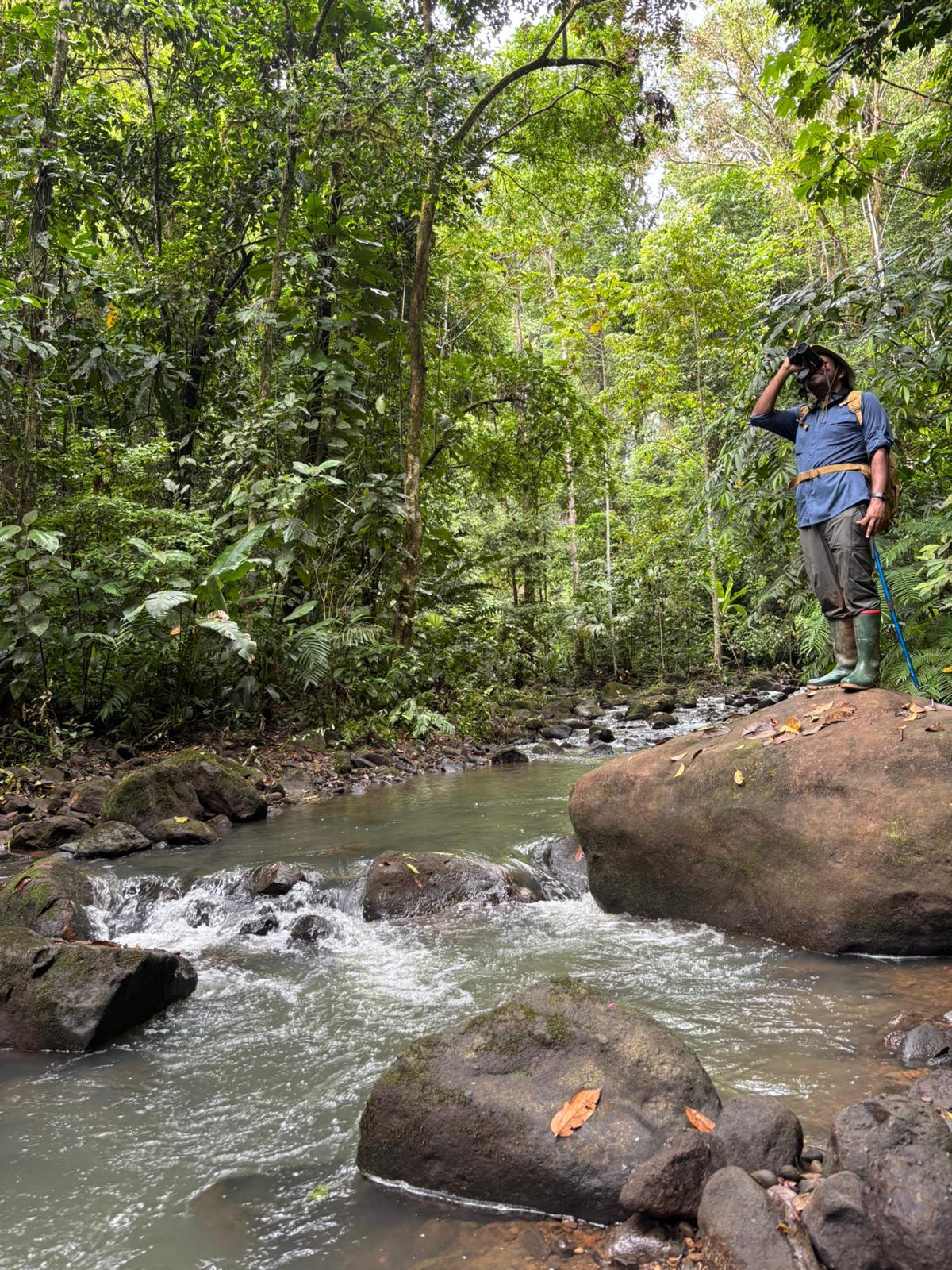
The Kekoldi Research and Education Alliance is a nonprofit NGO that runs a long-term biodiversity monitoring program in the Kéköldi Indigenous Reserve. From a remote field station in the middle of the rainforest, staff and participants conduct wildlife surveys in Costa Rica's most biodiverse Caribbean lowland rainforests.
Research methods include transects, point counts, audio recordings, camera traps and citizen-science apps. Data collected includes species identification, distribution, ecology, and habitat use. The work is carried out in close partnership with the Bribrí Indigenous community whose land it is based on.
KREA's objectives are to increase knowledge of the Kéköldi forest, provide data to conservation partners, build local capacity for long-term conservation and sustainable development, minimise its own environmental impact, and raise public awareness of Costa Rica's forest environments. In addition, KREA seeks to educate and prepare the next generation of natural scientists and conservationists.
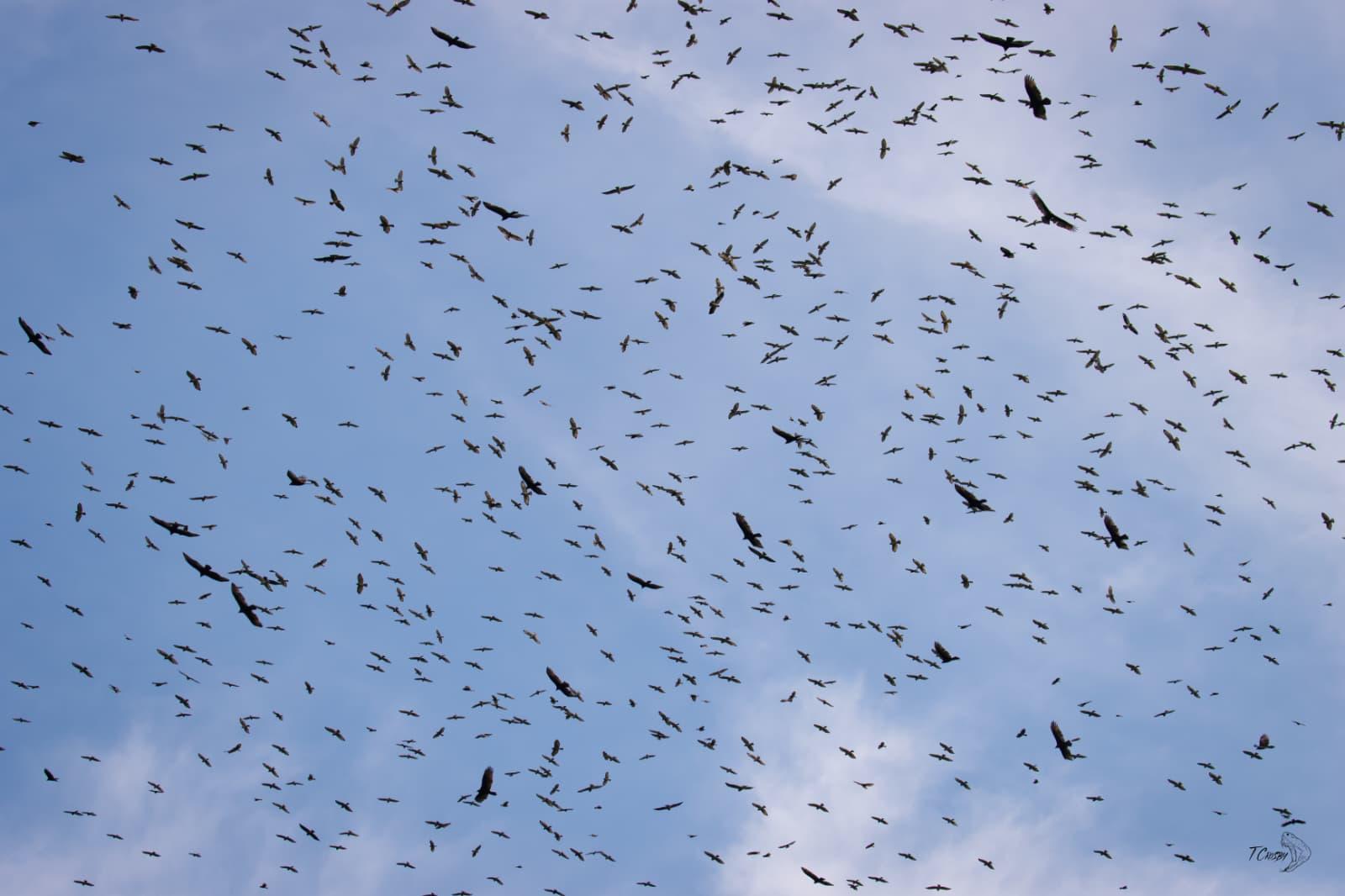
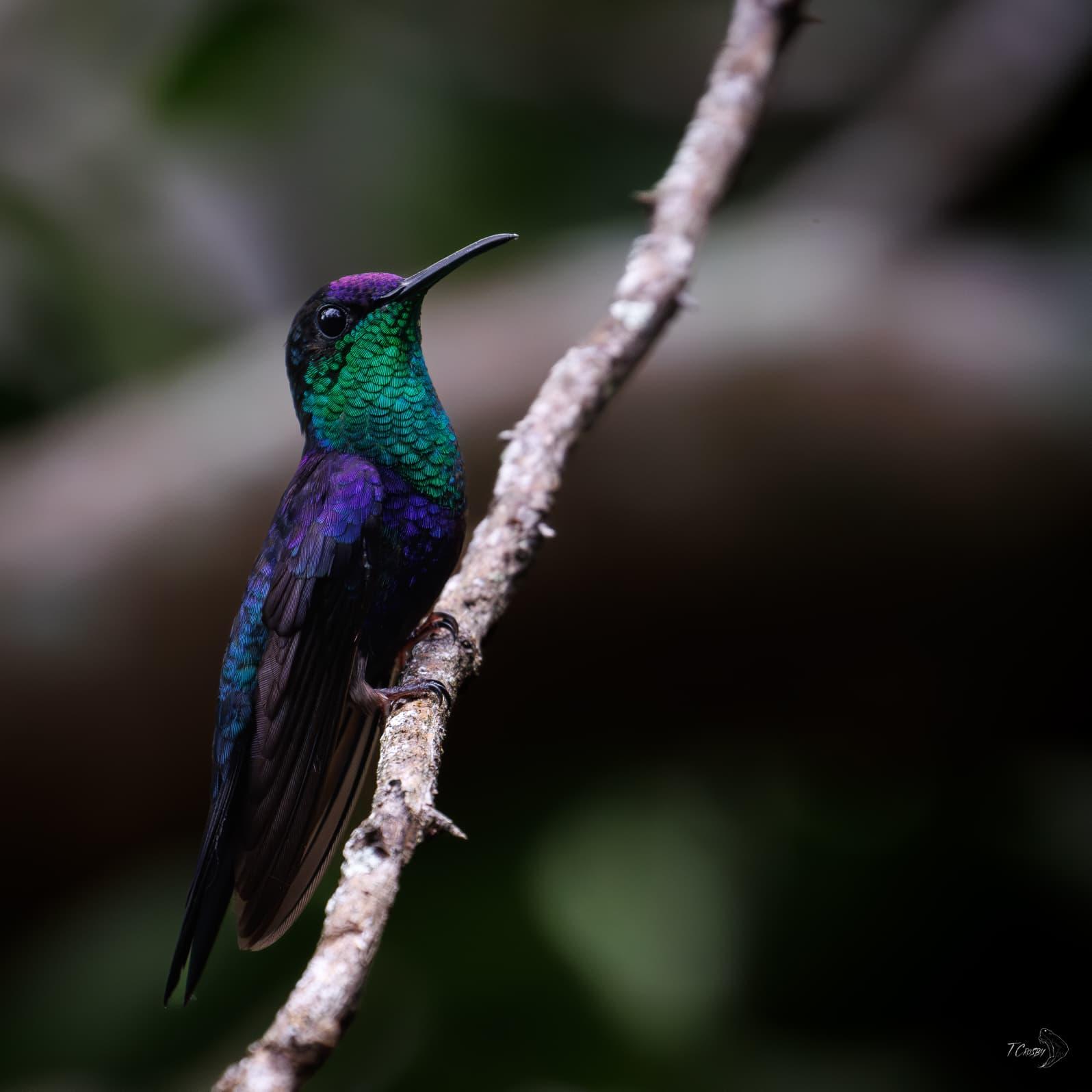
- Kéköldi is one of the top three sites in the world for monitoring migratory birds and hosts the third-largest raptor migration on the planet.
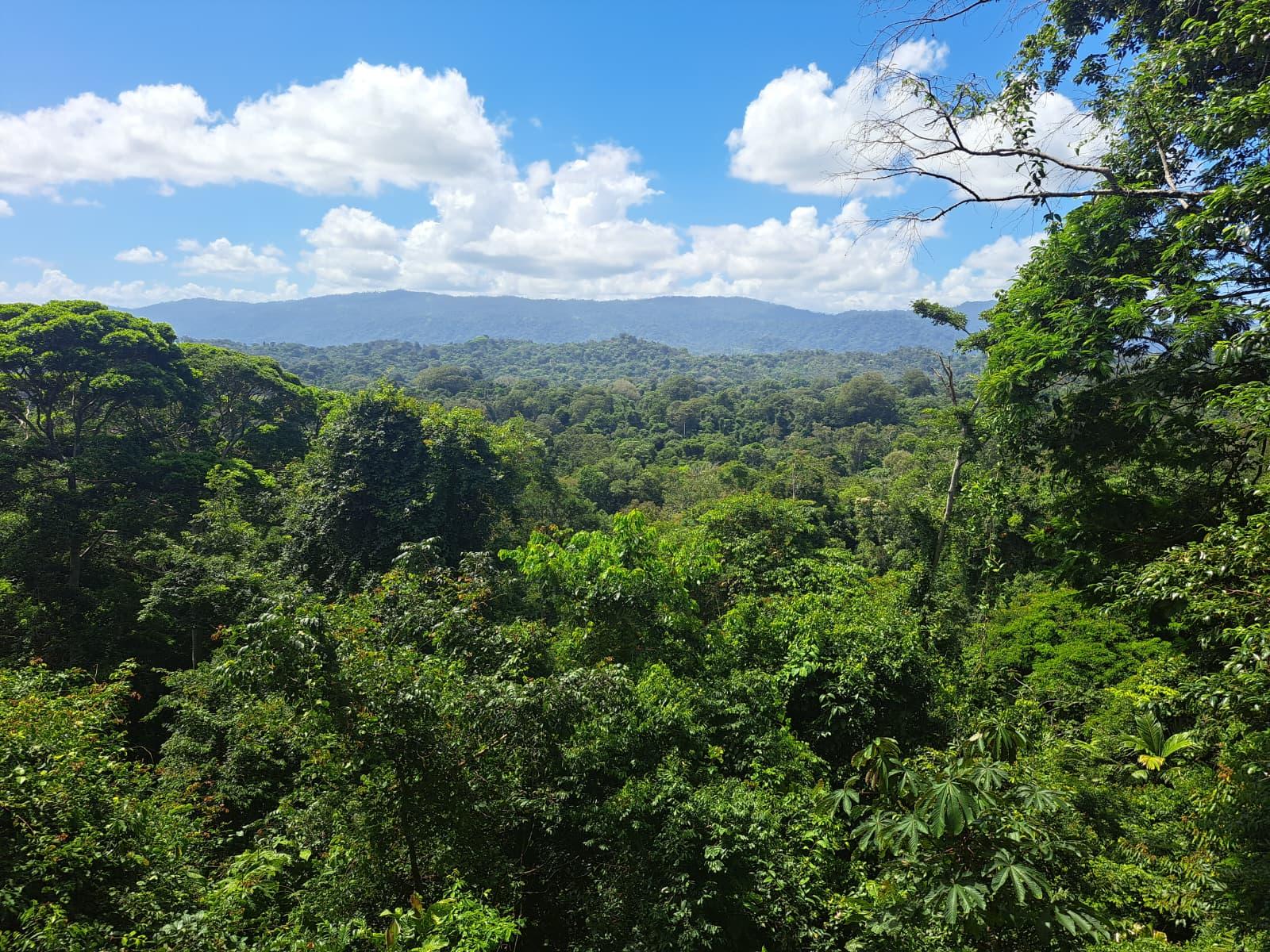
- The reserve covers over 8,500 acres (~3,500 ha) of Caribbean lowland rainforest, home to thousands of species.
- Four wild cat species live in the reserve: puma, ocelot, jaguarundi and margay
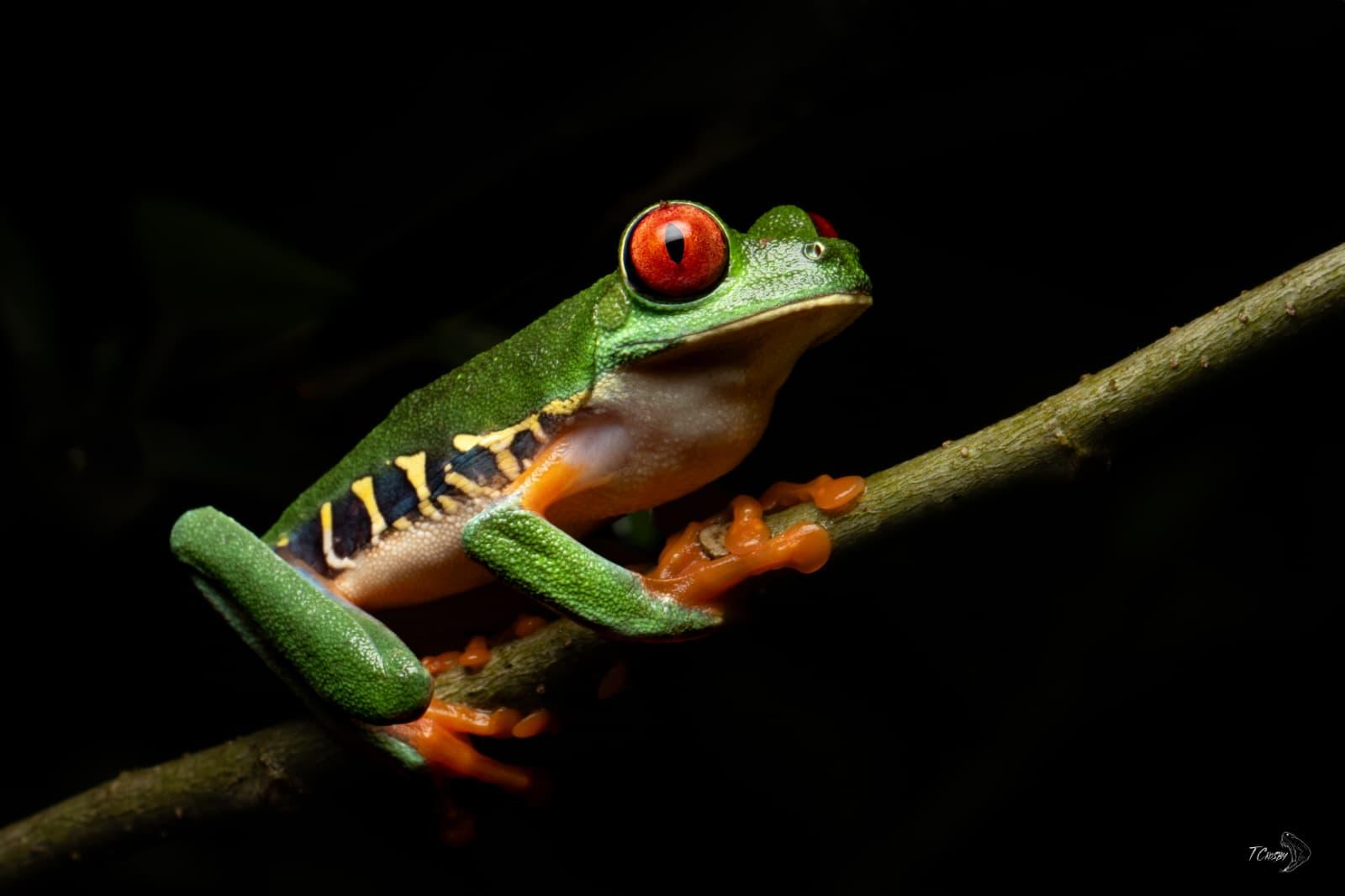
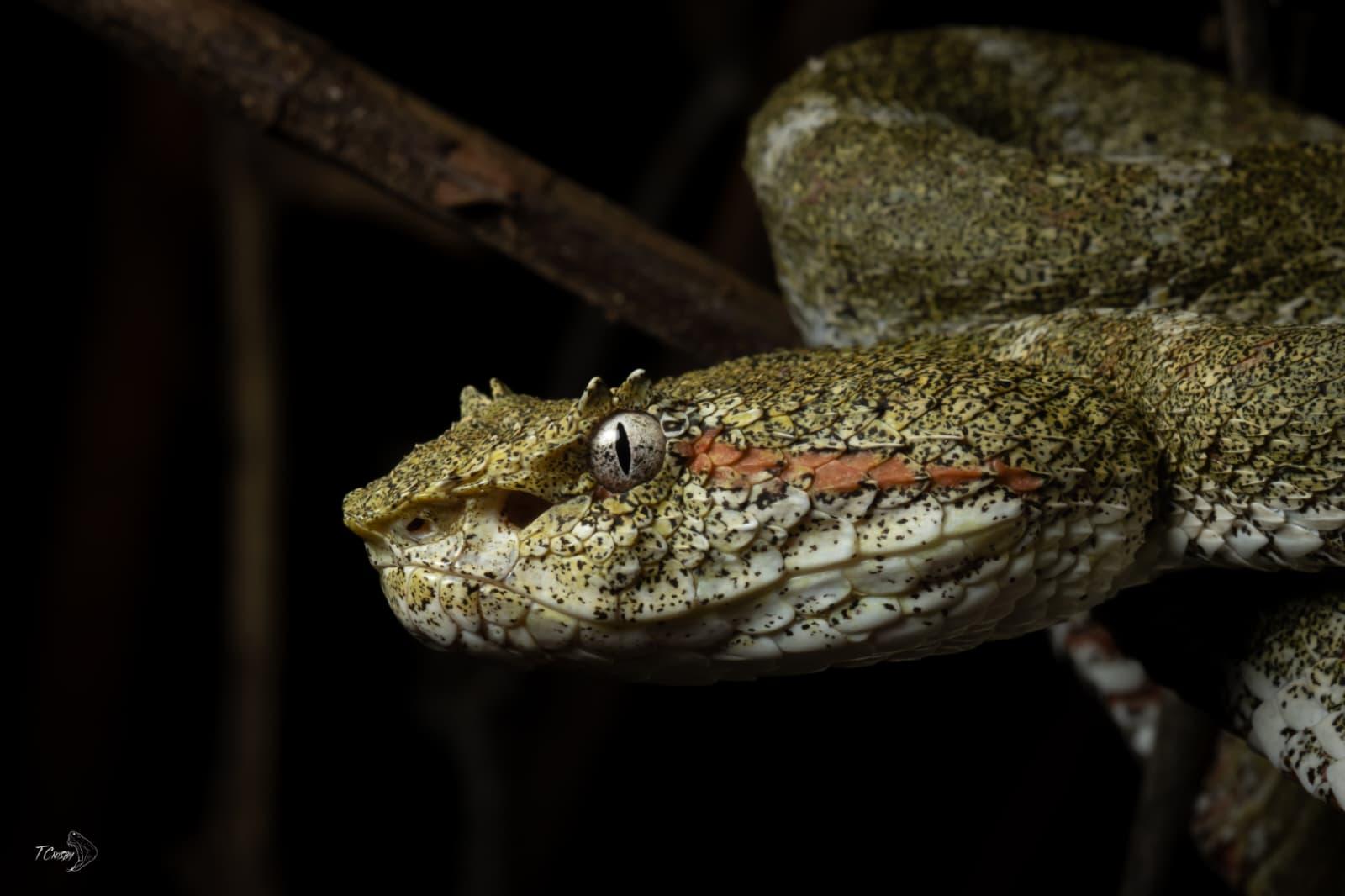
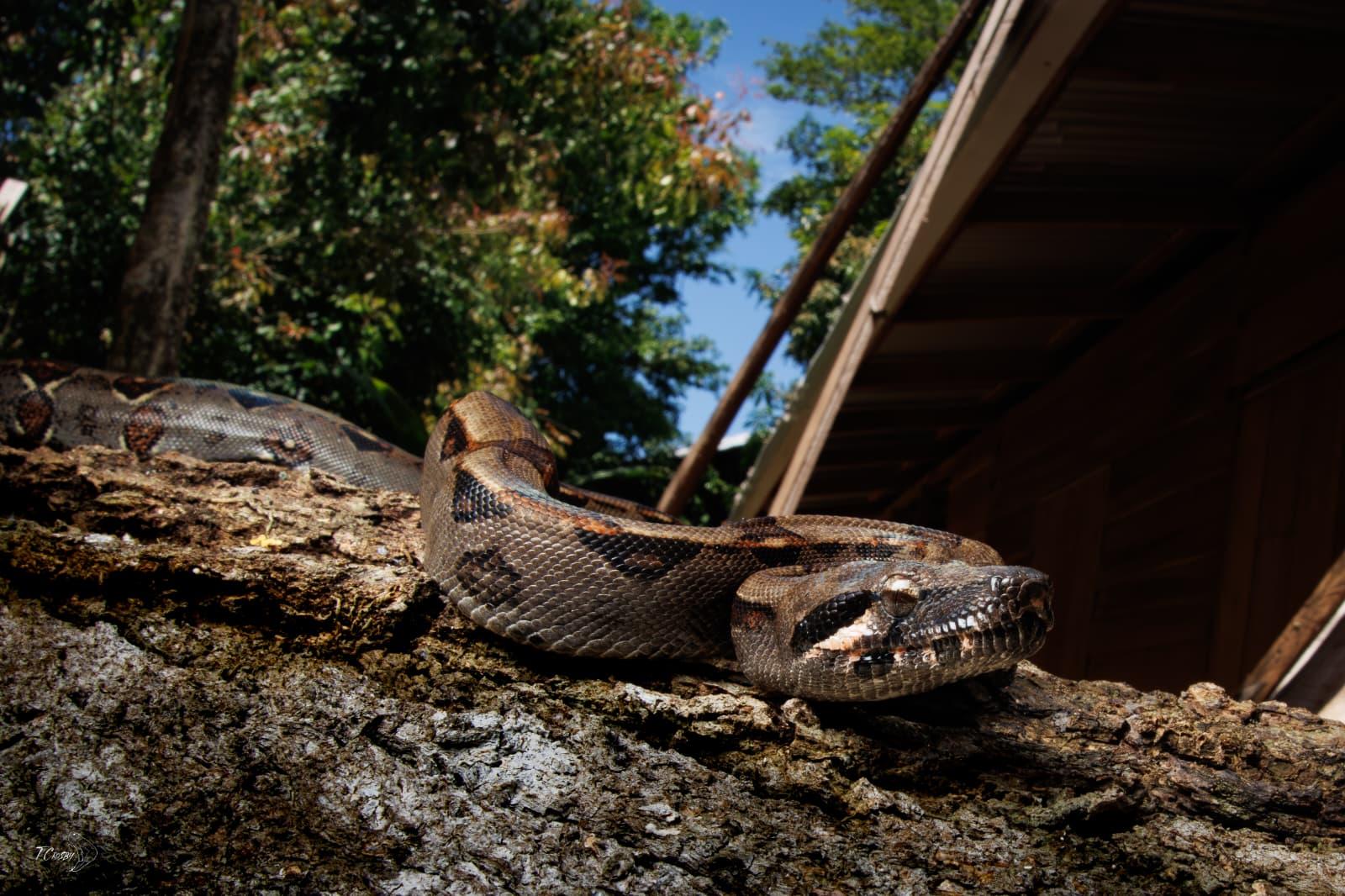
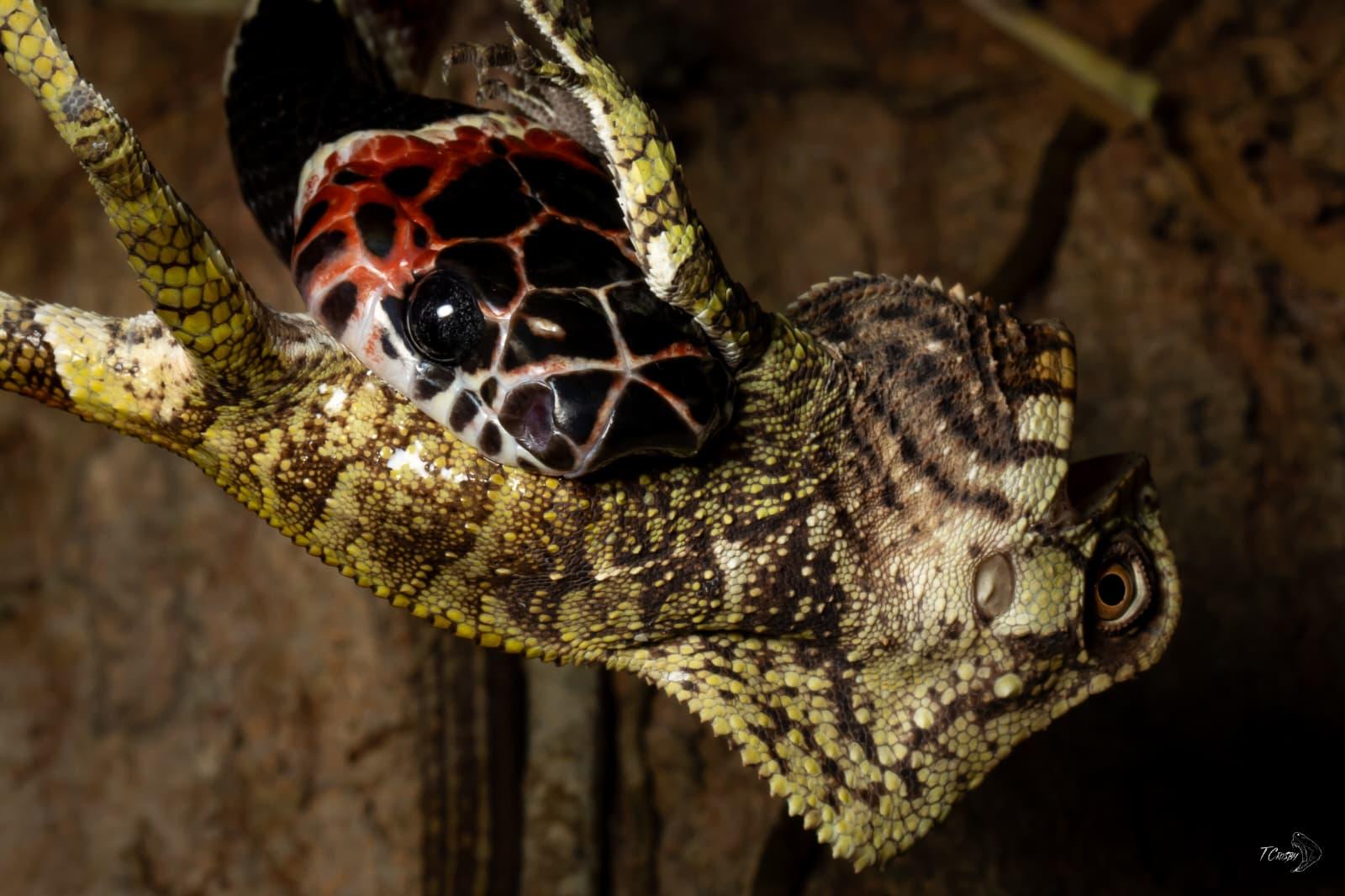
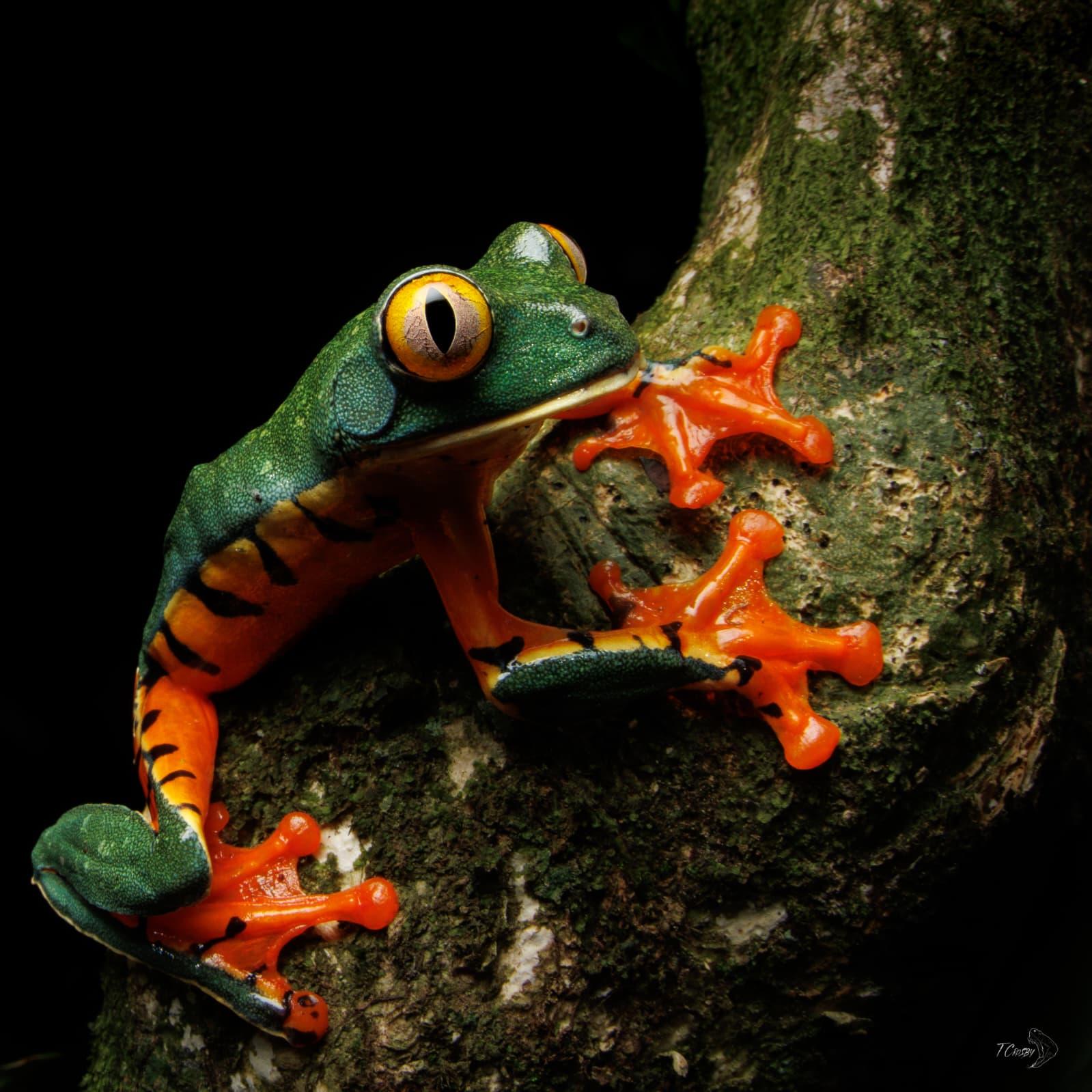
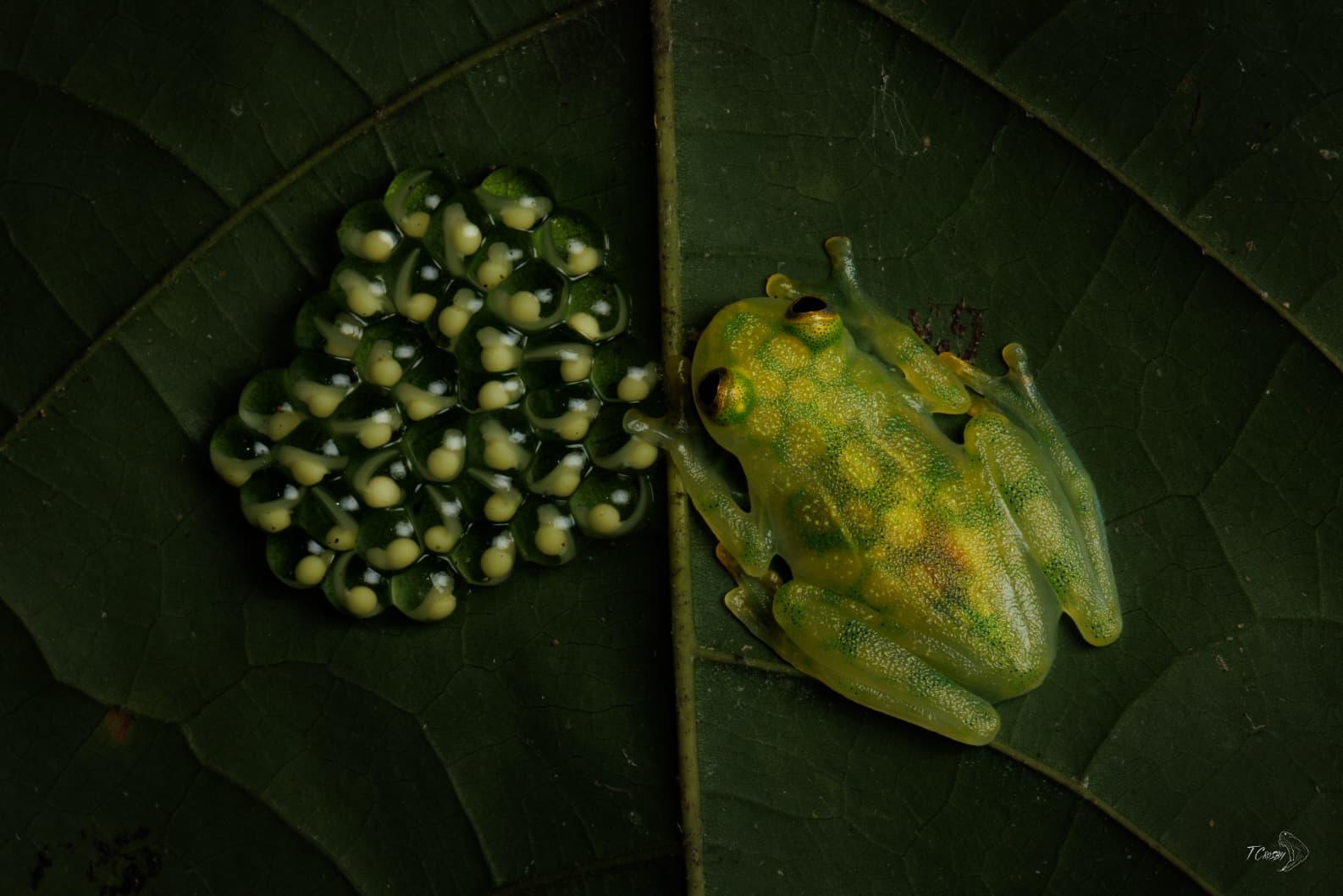
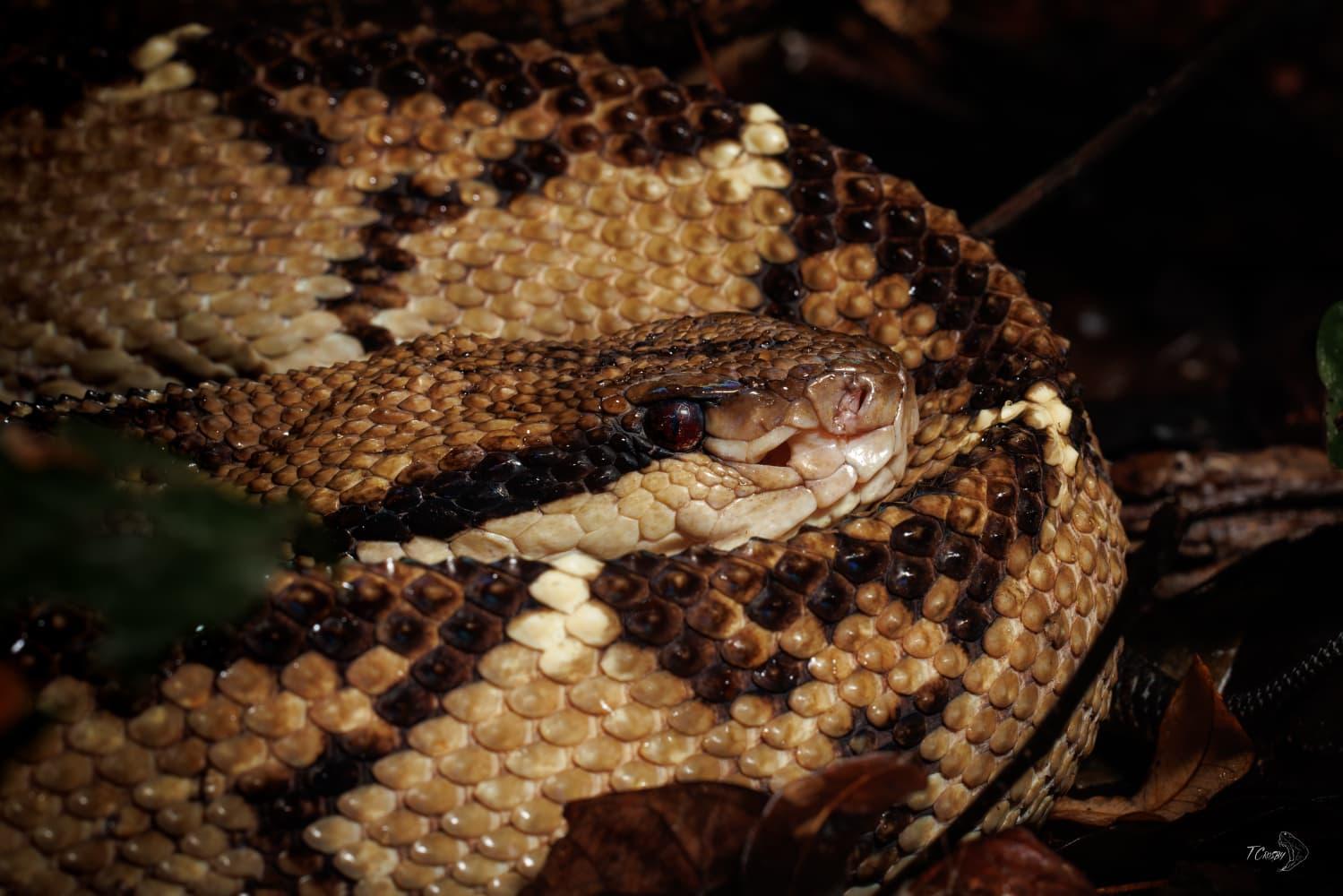
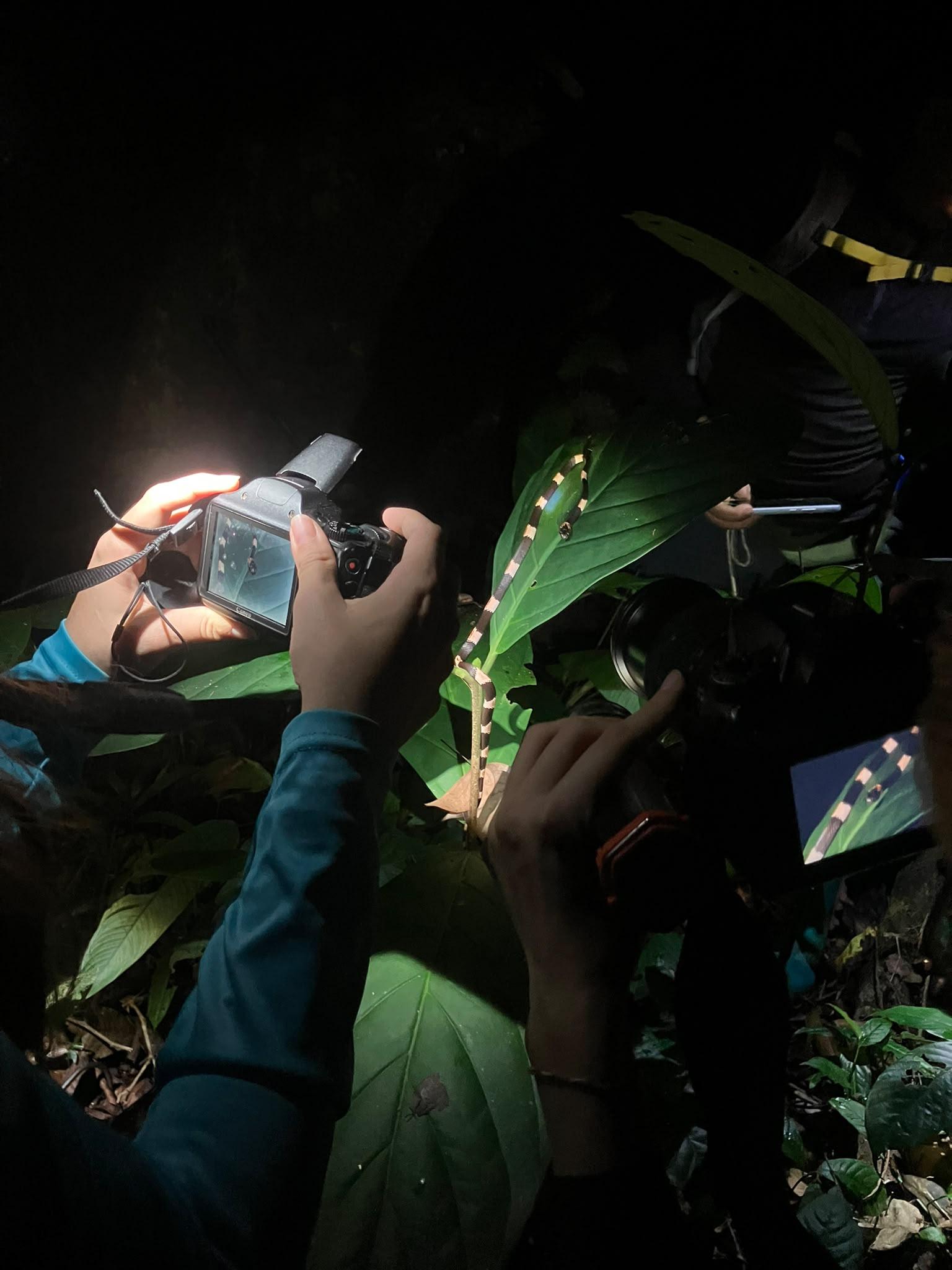
- Over one hundred species of amphibians and reptiles inhabit the reserve, including the eyelash palm pitviper, fer-de-lance, red-eye treefrog, and the rare Bushmaster.
- Monitored endangered species include the great green macaw, striped pygmy snake and Central American spider monkey.
- Former participants created a purpose-built 'Kéköldi Surveys' mobile app for field data collection and produced a documentary about the reserve, 'Sibo's Gift'.
Project work
Biodiversity surveys
KREA runs long-term biodiversity monitoring across the Kéköldi Indigenous Reserve, recording visual and audio observations of terrestrial vertebrates, as well as ecological and spatial use data.
Raptor Migration
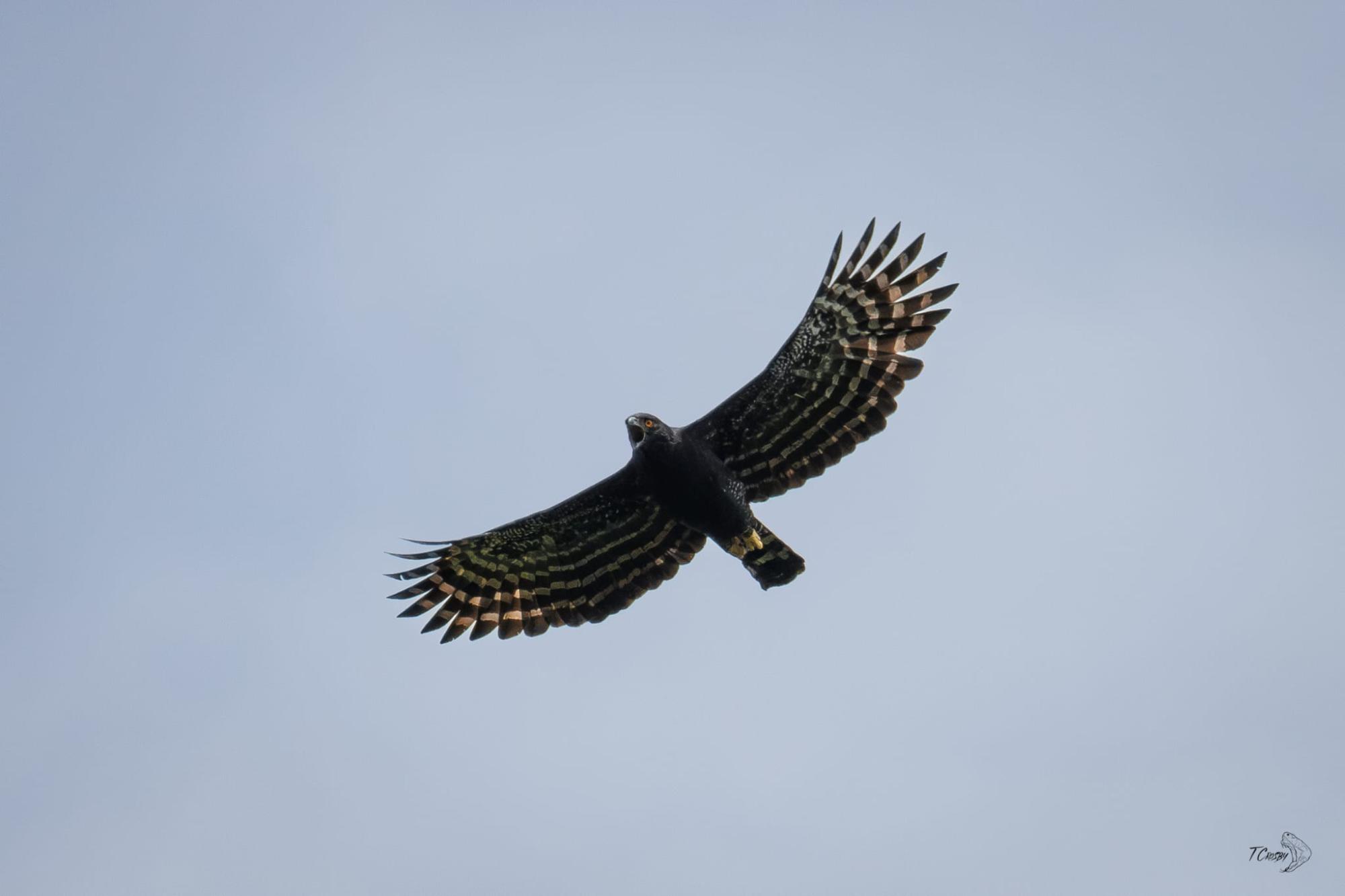
Hundreds of thousands of falcons, kits, hawks, and vultures pass over Kekoldi twice a year for the annual migration, making our site the 3-most biodiverse location in the world for raptors. KREA conducts bird point country throughout the year, but during the migratory raptor season we contribute to a global monitoring network of migratory species.
Herpetofauna surveys
Some surveys focus on herpetofauna: reptiles and amphibians. These walks happen later at night, and cover areas of the forest that are more remote and less disturbed, and occasionally encounter some of the Reserve's rarest species. Herp are only scheduled a few times per week to minimize impact on sensitive habitats.
Camera Traps
Most mammals and large predators are rarely encountered on surveys, but regularly-checked camera traps allow us to collect data on species such as peccaries, tayra, and wild cats. An ongoing study of ocelots, the largest resident predator, focuses on recognizing individuals by spot pattern based off camera trap data.
Training and Education
Throughout the week, KREA staff offer training sessions on local species, lectures on scientific topics, and workshops covering a variety of issues related to the project. These activities prepare participants for joining surveys and for future careers in conservation.
Approach
KREA runs a long-term biodiversity monitoring and environmental education program, and is one of the few such projects in the world to operate in an Indigenous Reserve. We work in close partnership with the Bribrí and Cabecar community whose land we are based on, aiming to build local capacity for conservation and sustainable community development, provide data to conservation partners, and raise public awareness of endangered species.
By conducting research and educating the next generation of conservationists, Kekoldi reinforces a new paradigm of conservation: that biodiversity can flourish within areas of human co-habitation, if those areas are managed responsibly by an indigenous community.
Impact
KREA runs a long-term biodiversity monitoring and environmental education program in the Kéköldi Indigenous Reserve on Costa Rica's Caribbean Coast.
2026
2025
2024
2023
Milestones
- 2022September: a UK-based volunteer agency begins collaborating with the Kéköldi community to support its migratory-raptor monitoring.
- 2022December: the agency establishes a fulltime team in Kéköldi Indigenous territory to develop longer-term biodiversity monitoring.
- 2023January: operations begin at the Kéköldi Scientific Centre in partnership with the Asociación Ambiental Kéköldi Hawkwatch. The first participants were welcomed later in the year.
- 2024A field season of 93 participants and 909 surveys, with new species sighted for the reserve and an expansion of the team, activities and facilities.
- 2026June: the company liquidates, suddenly ending operations and stranding staff and participants.
- 2026September: former staff and local community leaders band together to form KREA, and continue the work as an independent NGO
Highlights
- Kéköldi is one of the top three sites in the world for monitoring migratory birds.
- The reserve covers over 8,500 acres (~3,500 ha) of Caribbean lowland rainforest and is the only longterm monitoring site in the the Southern Caribbean zone.
- Nearly 6 million migratory birds were counted in the 2023 Hawkwatch season, and 335,784 migratory raptors in the 2024 spring season.
- The reserve is home to four wild cat species: puma, ocelot, jaguarundi and margay.
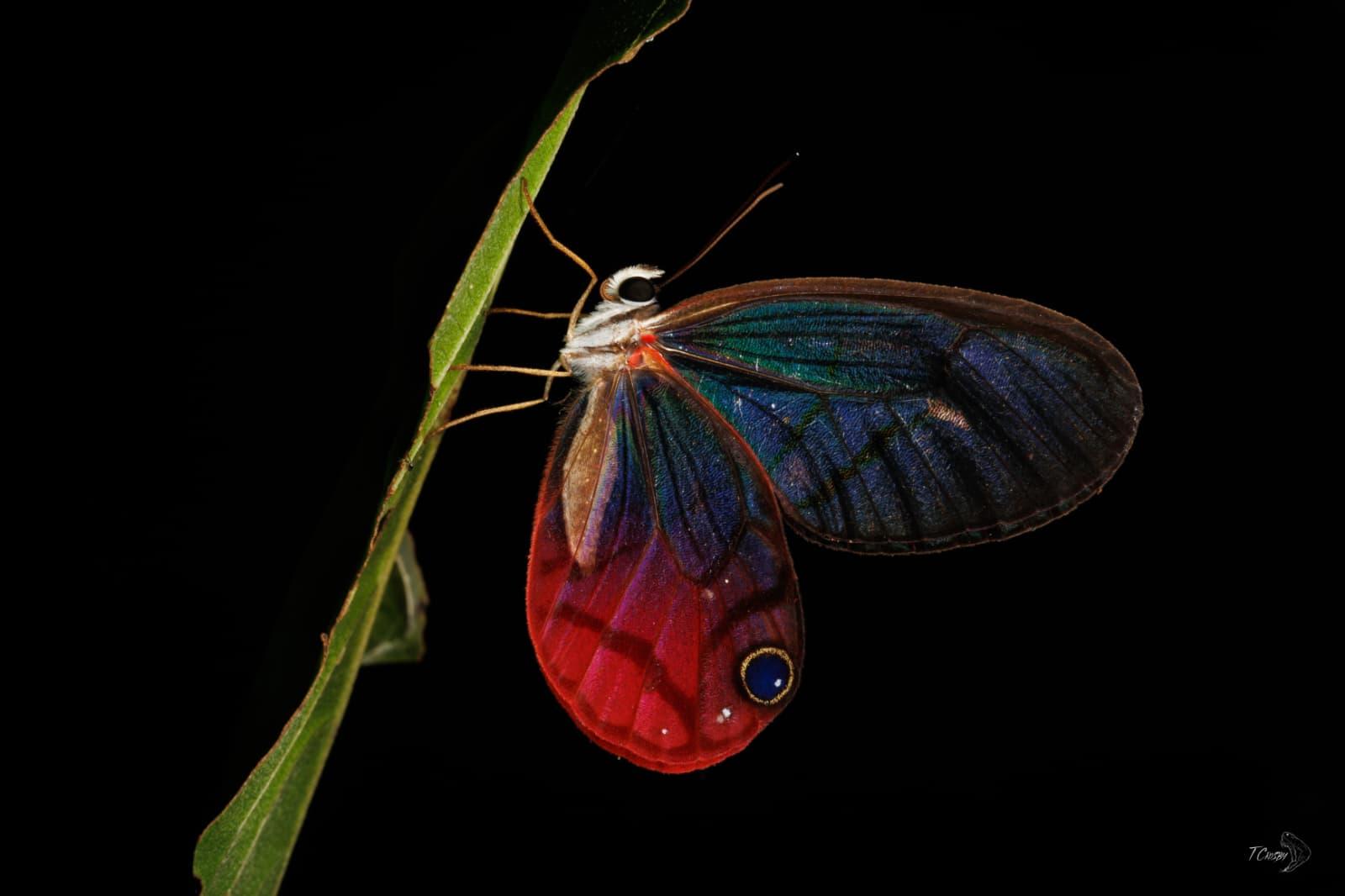
- Many species of amphibians and reptiles inhabit the reserve, including the eyelash palm pitviper, fer-de-lance, six species of glassfrogs, and the rare Bushmaster.
- The project works on Bribrí Indigenous land with the community's permission and shares accommodation with a Bribrí family who have lived in the reserve since its creation in 1977.
- The project developed a purpose-built 'Kéköldi Surveys' mobile app for field data collection and produced a documentary about the reserve, 'Sibo's Gift'.
- Notable endangered species monitored here include the critically endangered great green macaw, striped pygmy snake and Central American spider monkey.
Setting
Kéköldi (pronounced KEH-kool-dee) is a Bribrí Indigenous territory in the Limón province of Costa Rica, near the town of Hone Creek on the Caribbean Coast. The reserve encompasses over 8,500 acres (roughly 3,500 hectares) of Caribbean lowland rainforest, home to species including many of Costa Rica's flagship animals, and is recognized as one of the top three sites in the world for monitoring migratory birds of prey.
The territory sits within the traditional lands of the Bribrí and Cabecar, two of Costa Rica's Indigenous groups, who maintain their own languages alongside Spanish. The main economic activities include farming, with ecotourism a growing source of income. Surrounded by industrial agriculture and a rapidly growing tourism industry, Kéköldi has largely avoided this kind of development because it is an Indigenous territory with semi-autonomous governance, and long-term biodiversity data helps make the case for its continued protection.
Publications & reports
- Kéköldi Annual Report 2025Annual report on forest and Cahuita coastal programme results
- Kéköldi Annual Report 2024Annual report on programme results and species richness
- 2025Reptile CompendiumReference compendium of reserve reptiles
- 2025Amphibian CompendiumReference compendium of reserve amphibians
- 2025Relative abundance, community composition and habitat preference of the herpetofauna of KéköldiHerpetofauna study
- 2025Variation in herpetofauna community composition, species richness and diversity across habitats and seasonalityScientific journal article in preparation
- Annual Wild Cat Report 2024–2025Report on ocelots and other wild cats
- 2025Ocelot StudyCamera-trap ocelot identification study
- 2024Kéköldi species listReserve species inventory
- 2024Sibo's Gift short DocumentaryParticipant-created Documentary on the previous project
- 2024Maps of KéköldiMapping of the reserve
- 2024Habitat selection for ocelots in KéköldiOcelot habitat study
- 2023Kéköldi Surveys AppMobile app for recording field survey data (Android and iOS)
Volunteering in Costa Rica
Costa Rica is one of the most biodiverse countries on earth, and its Caribbean side is markedly different from the better-known Pacific coast — wetter, more forested, and home to Indigenous territories that manage their own land. Kéköldi is one of those territories.
Volunteer placement FAQs
What does a typical week look like?
Days start early. If you are on a morning survey you grab a sunrise coffee around 5:00 AM, then head into the forest at 5:30 or 8:00 AM for a survey lasting several hours. You will take part in up to 2 surveys per day, with breaks at meal times and downtime in the evenings. The rest of the day mixes training, data collection and species identification.
Typical Weekly Activities:
- Wildlife surveys
- Bird point counts
- Nighttime herpetofauna surveys
- Camera Trap checks
- Training sessions
- Educational lectures
- Workshops, discussions, and career mentorship
Where will I stay?
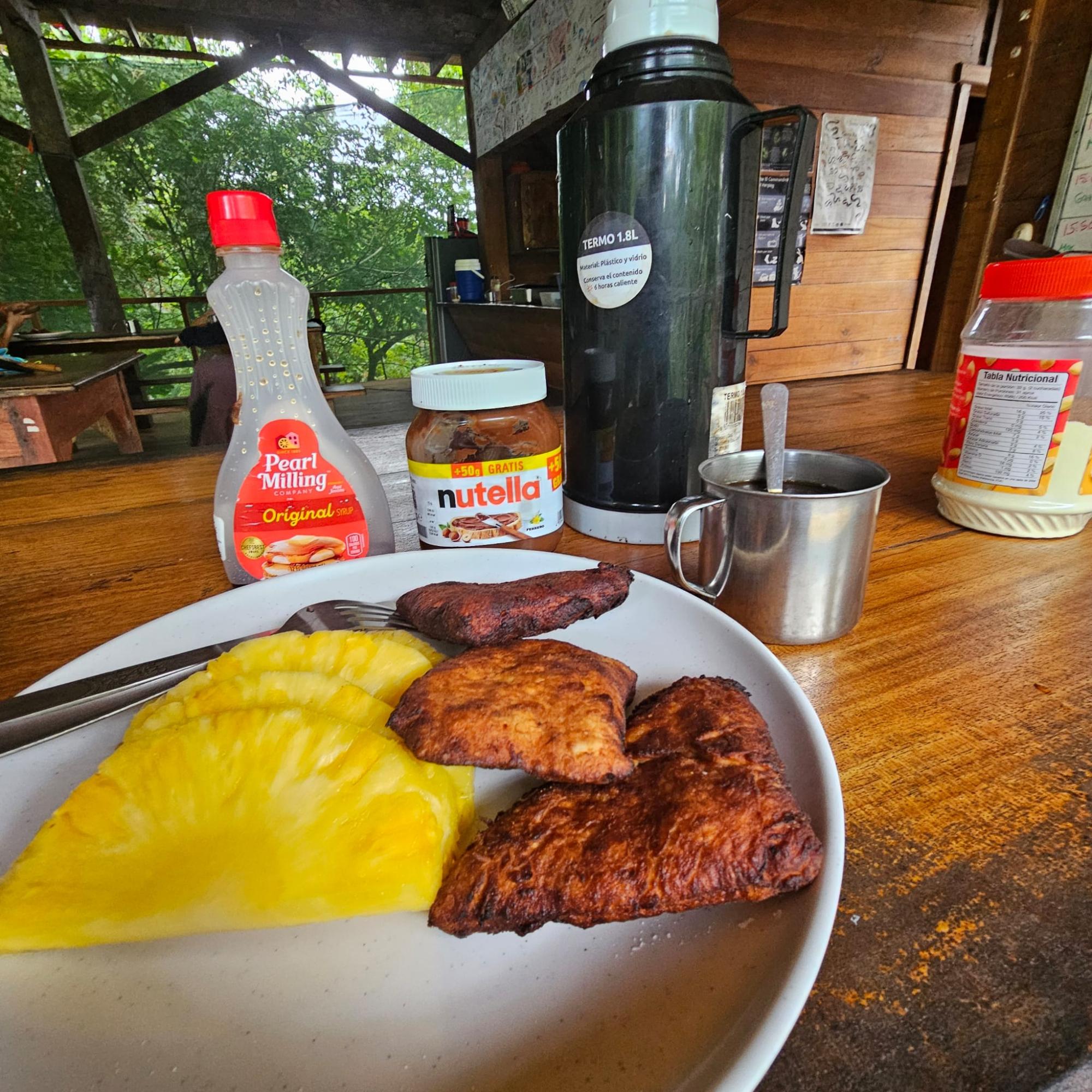
Accommodation is in shared, mixed-gender dorms with shared bathrooms at the Base, a remote station built upon the home of an indigenous Bribri family. Facilities are basic: power is limited to sunny weather, and running water is limited and may be restricted at times. Wi-Fi is available at the hub when the power is on, but jungle connectivity can be unpredictable. Meals are simple and mostly vegetarian, prepared by a cook, and dietary requirements can be accommodated.
The base itself is located in the middle of the rainforest, reached by a 45-walk up a steep, rough trail from the nearest road. There is no vehicle access, and in rainy weather the trail can be muddy or flooded.
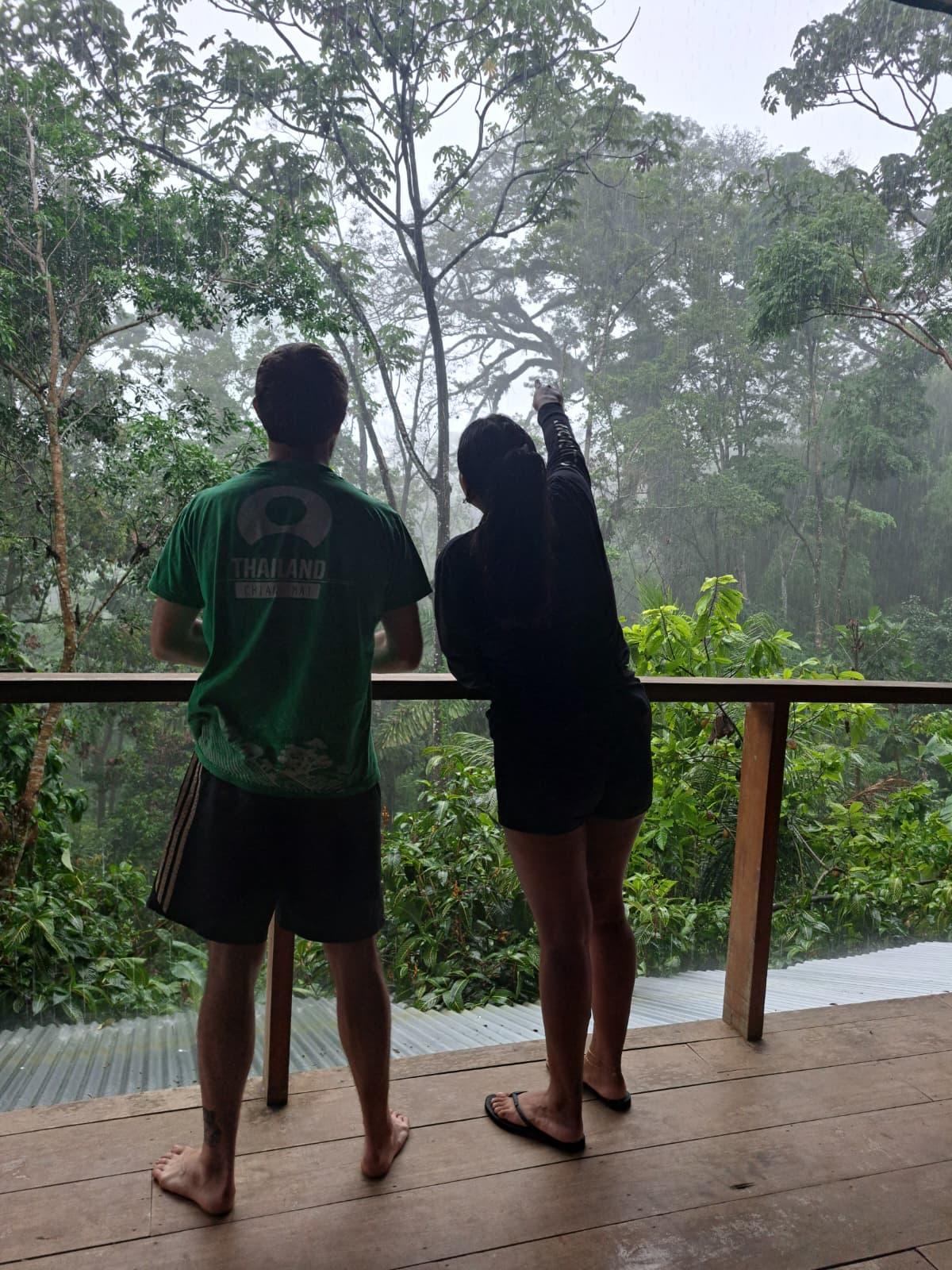
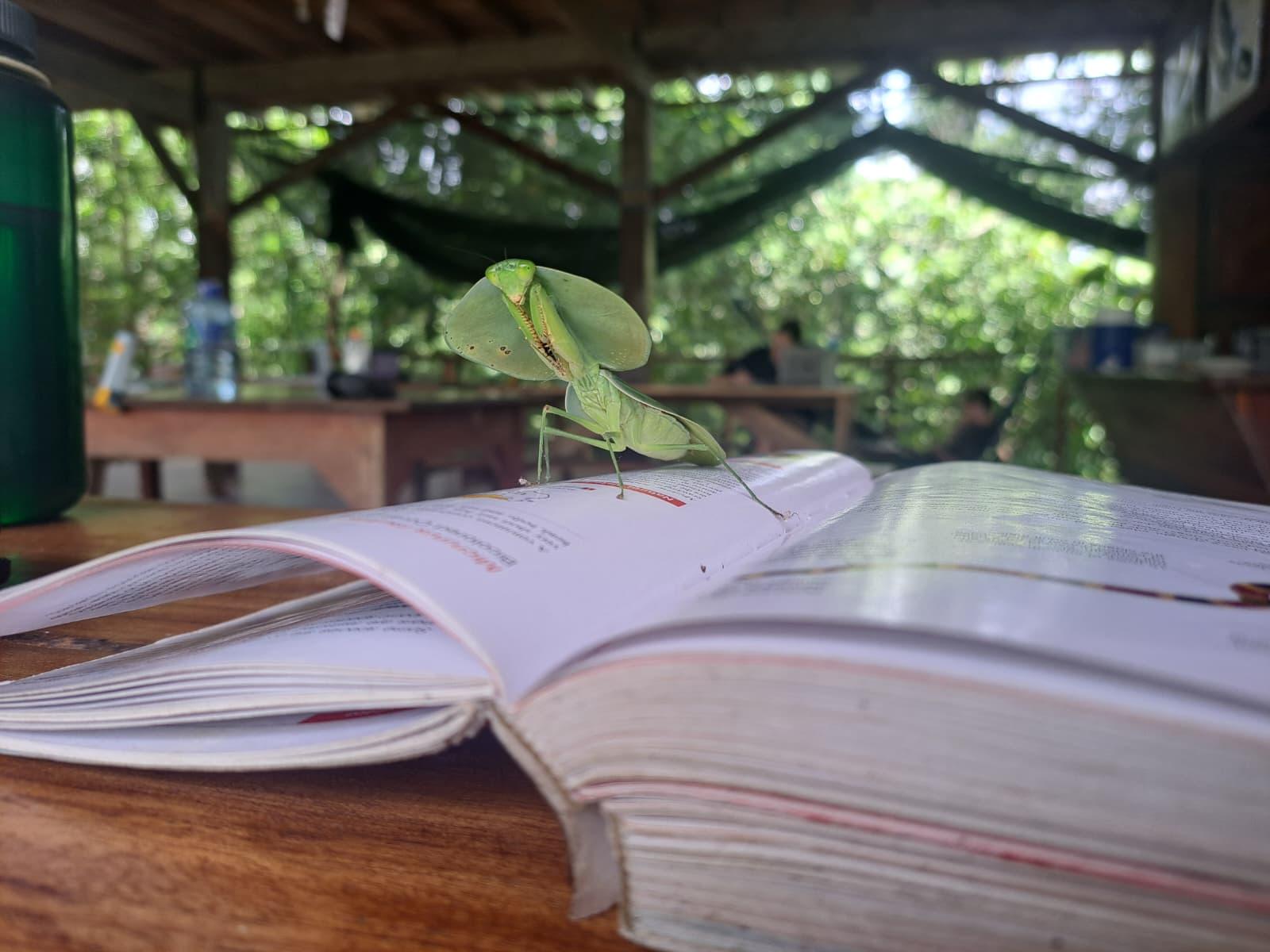
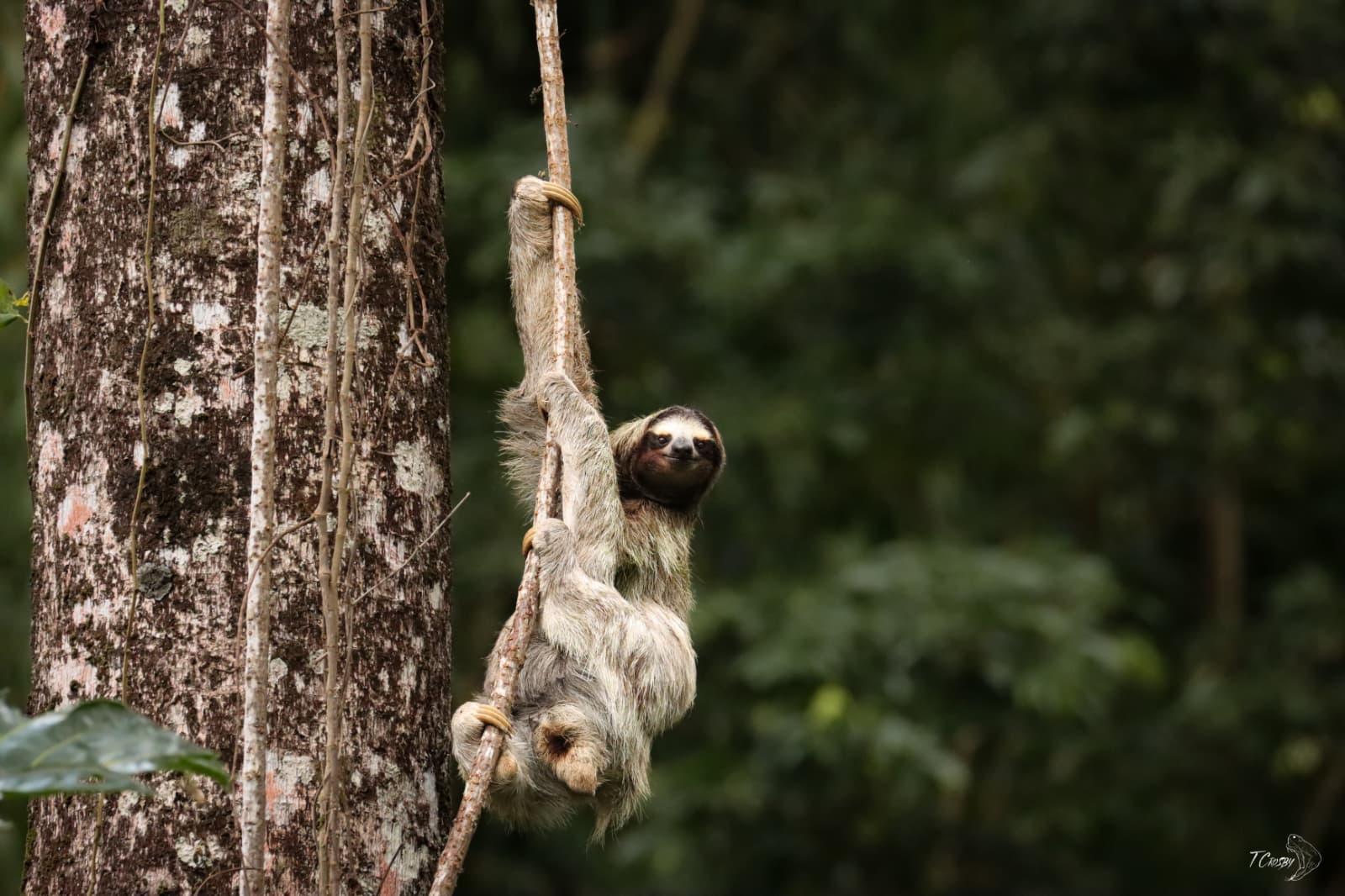
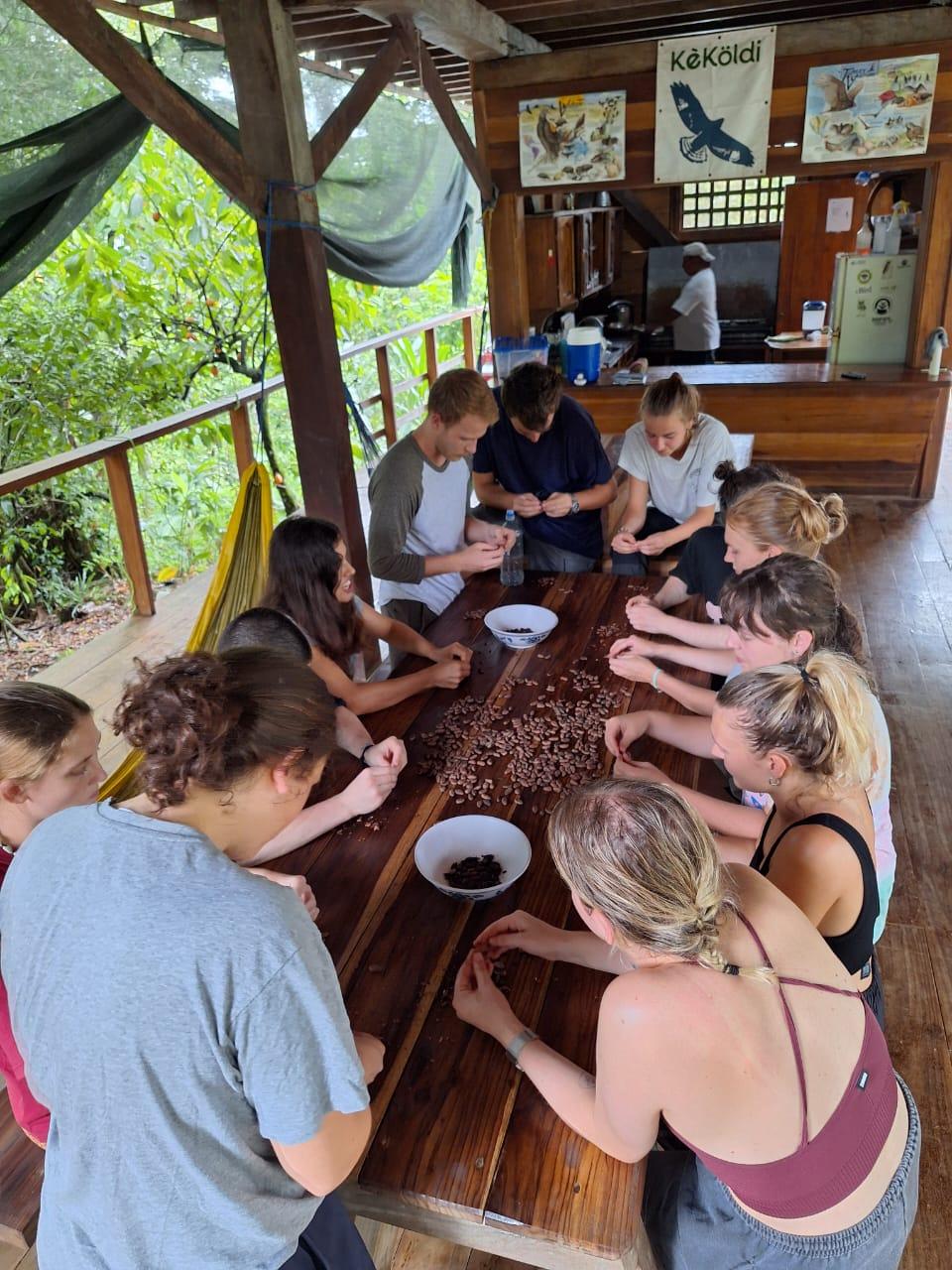
Life on base is closely linked to life in the jungle, with wild animals passing right by or even through our building. All beds are equipped with nets for mosquitoes, but expect to share your space with a variety of insects, geckos, and bats. You can also expect to watch birds go by during the day, and even spot monkeys and sloths from the dining area.
What is the KREA?
Kekoldi Research and Education Alliance is a Costa-Rica based nonprofit Association, consisting of a board of biologists, conservationists, and local community leaders. Its goal is to manage a long-term biodiversity monitoring and educational program based in the Kéköldi Indigenous Reserve.
What kinds of survey work will I do?
Activities include biodiversity surveys, bird point counts, camera trap checks, and herpetofauna (amphibian and reptile) surveys. All surveys are conducted on foot on established trails, and include both visual and audio observations.
Other occasional activities may include insect light traps, tree measuring, and wildlife tracking.
What is included in the program?
All participants get meals, shared accommodation, all project equipment and organized experiences. They also get a dedicated support coordinator, an essential info pack, a pre-departure webinar and WhatsApp group, and 24-hour in-country support.
Interns receive additional organized curriculum, access to our Data drive, weekly meetings with an intern coordinator, and mentorship for developing an independent project.
What is not included?
Flights, international and domestic airport taxes, medical and travel insurance, visa costs, personal items and toiletries, additional drinks/snacks, gratuities and free-time activities are not included. Participants typically budget around USD 50 per week for extras such as snacks, phone credit and nearby weekend activities.
Who can volunteer, and what are the requirements?
For everyone, a high level of fitness is required, as you will walk long distances and hike uneven, waterlogged terrain in heat and humidity. Fluency in English is required, and some basic Spanish is helpful. All participants must hold compulsory travel insurance covering medical and evacuation costs, including helicopter evacuation. Participants must be over 18 and able to legally travel in Costa Rica.
For interns, no academic or professional background is required, but it is suggested that they are pursuing a degree or career in science, conservation, or a related field.
Do I need previous experience?
No prior experience is required for the volunteer program. On arrival you receive an orientation and training in species identification, survey techniques and data collection, so you can contribute to fieldwork regardless of your background. Internships build further skills for those pursuing a conservation career.
How long can I join for?
The volunteer program runs from 2 to 12 weeks. Internships run from 1 to 6 months. Longer stays mean more fieldwork hours and a greater contribution.
How often do programs start?
Volunteer and Internship programs start every 2 weeks, beginning on Saturday morning in San Jose. Programs run throughout the year, but pause over the end-of-year closure, from 18 December 2027 to 1 January 2028.
What is the difference between volunteering, and an internship?
Volunteers join surveys, and are encouraged to join in additional lectures and workshops. An internship adds additional responsibilities such as data entry, and a dedicated curriculum with a list of tasks to be completed. They are expected to develop an independent research project under the mentorship of staff. A intern coodinator meets with the interns every week to monitor their progress and provide direction.
How do I get to the project and what is the arrival process?
Most participants fly into Juan Santamaría International Airport (SJO) in San José, arriving the day before the program starts, usually on Friday. On Saturday morning, they meet a member of staff along with the other new arrivals, and travel by shuttle or bus to the Reserve.
What conservation results has the project achieved?
Monitoring has been continuous since 2023 and has built a consolidated multi-year dataset. In 2025 alone the team recorded 18 species newly documented for the reserve, identified five individual ocelots through 2,926 camera-trap days.
What is the approach to working with the wildlife and community?
All wildlife is observed non-invasively with no feeding or handling of animals. Because the station sits on Bribrí Indigenous land and shares accommodation with a local family, respect for local culture, knowledge and customs is central. A code of conduct covers wildlife protection, community respect, child protection, and diversity and inclusion.
What’s not included?
- Flights
- Insurance
Visa fees
Can I volunteer in Costa Rica?
Yes. The Impact Network Foundation works with one partner organisation in Costa Rica: Kéköldi Rainforest Project, based in the Kéköldi Indigenous Reserve, on the Caribbean coast. You apply to it directly through this site.
What NGOs are there in Costa Rica?
The NGO in the Impact Network in Costa Rica is Kéköldi Rainforest Project, an independent conservation organisation working in the Talamanca region of Limón Province, on the Caribbean coast. It is one of eight NGOs in the network, and the network is deliberately small — every organisation in it is locally run rather than a field office of an international charity.
Are there NGOs in Kéköldi?
Yes — Kéköldi Rainforest Project works in the Talamanca region of Limón Province, on the Caribbean coast. Its work is rainforest and wildlife monitoring.
What volunteer work can I do in Costa Rica?
Rainforest and wildlife monitoring. Rainforest and wildlife monitoring, run by and with the Indigenous community whose reserve it is. Volunteers support the survey work that records what lives in the forest and how those populations change over time.
How long can I volunteer in Costa Rica for?
Placements run to fixed start dates set by the project, so the dates are published in advance rather than chosen by you.
Is this a local NGO or a volunteer agency?
Kéköldi Rainforest Project is an independent, locally run organisation. The Impact Network Foundation does not operate it, staff it or direct its work — the Foundation exists to connect volunteers to organisations like it and to publish what they achieve.
How do I apply to volunteer in Costa Rica?
Apply on the Kéköldi Rainforest Project page on this site. Every applicant then has a short one-to-one call before a place is confirmed, so you can ask anything and the organisation can check the placement is a good fit.
Volunteer
Volunteers join biodiversity surveys and attend training workshops.
Volunteers live on base and join in daily biodiversity surveys, point counts, and camera trap checks. They are trained by KREA staff on species ID, and may attend workshops on related topics.
Different daily rates are offered for different trip lengths (listed cost is for shorter stay). Total costs are as follows:
14 days: $700
28 days: $1260
84 days: $3528
Better rates are offered for longer or extended stays.
Volunteer FAQs
What does a typical week look like?
Monday:
- Training/Orientation
- Morning survey/workshop
- Lecture
- Afternoon survey/workshop
Tuesday
- Morning Bird Count
- Training session
- Lecture
- Night survey/herp survey
Wednesday
- Morning survey/workshop
- Afternoon survey/workshop
- Evening presentations
Thursday
- Early morning survey
- Training session
- Lecture
- Night survey/herp survey
Friday
- Survey/camera trap check
- Citizen Science survey
- Deep clean/food pickup
How do I choose between being a volunteer versus intern?
This largely depends on experience. Anyone can volunteer, but the internship is catered more towards someone planning a career in environmental research, conservation, or a related field.
Internship
Interns work alongside KREA staff to collect environmental data, and are assigned a formal curriculum to prepare for a career in conservation.
Interns participate in all base activities, and are assigned extra duties including data entry, species identification, and independent project. To achieve this, they receive access to our Data drive, weekly meetings with an intern coordinator, and mentorship from KREA staff.
Inters are also trained to lead their own surveys under the guidance of staff. They are taught species identification and research techniques to prepare them for a career in a related field.
Different daily rates are offered for different trip lengths (listed cost is for shorter stay). Total costs are as follows:
28 days: $1680
84 days: $4620
168 days: $8400
Better rates are offered for longer or extended stays.
Internship FAQs
What does a typical week look like?
Monday:
- Training/Orientation
- Morning survey/workshop
- Lecture
- Afternoon survey/workshop
Tuesday
- Morning Bird Count
- Training session
- Lecture
- Data Entry/project work
- Night survey/herp survey
Wednesday
- Morning survey/workshop
- Afternoon survey/workshop
- Evening presentations
Thursday
- Early morning survey
- Training session
- Lecture
- Data Entry/project work
- Night survey/herp survey
Friday
- Survey/camera trap check
- Citizen Science survey
- Intern Coordinator Meeting
- Deep clean/food pickup
Can I start as a volunteer and upgrade to an intern?
Yes, you can extend your stay or change your status by discussing this with KREA staff. If you are accepted, you will be charged the difference for your stay.