
Why coral reefs need protecting

When people picture wildlife conservation, coral reefs are rarely the first thing that comes to mind. Yet protecting reefs means protecting marine animals both great and small, and few habitats support more life per square metre. The reef at Puerto Morelos, part of the vast Mesoamerican system that runs along Mexico's Caribbean coast, is a good place to understand why coral deserves a central place in any conversation about ocean conservation.
The first surprise is that coral is an animal at all. A reef may look more like a garden of stone than a colony of living creatures, but each structure is built by minuscule animals called polyps. Polyps are invertebrates, relatives of anemones and jellyfish, typically only one to three millimetres across, with soft, sac-like bodies and a ring of tentacles around a central mouth. To protect themselves they secrete calcium carbonate, forming the hard skeleton that, layer upon layer over centuries, becomes a reef.
A partnership at the heart of the reef
Most reef-building corals live in a close partnership with algae. Tiny algae live within the coral's tissue, using sunlight to produce energy that they share with their host, and in return the coral offers shelter and the raw materials the algae need. This relationship is what gives healthy coral its colour and its capacity to grow. It is also what makes reefs so sensitive: when the water grows too warm, the coral expels its algae and bleaches white, losing its main source of food. Prolonged bleaching can kill a reef outright.
The stakes are hard to overstate. Coral reefs are among the largest biological structures on Earth and rank among its most biodiverse ecosystems, providing food, shelter and nursery grounds for a huge share of marine species. They also protect coastlines from storms and erosion and underpin the fishing and tourism that many coastal communities, Puerto Morelos among them, depend on. Lose the reef and you lose far more than a pretty dive site.
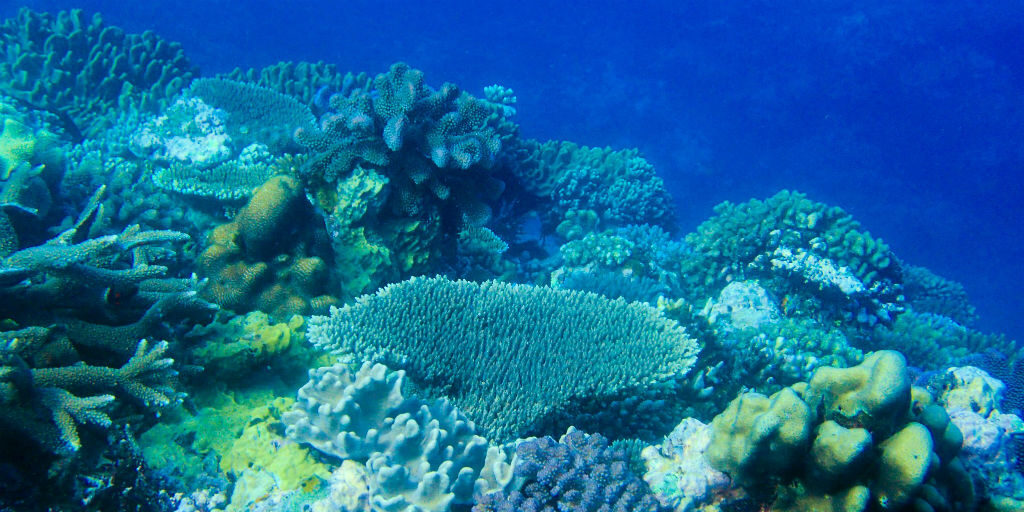
The threats are familiar but urgent: warming seas, ocean acidification, pollution, sediment run-off and physical damage from careless boating and diving. Individually, each puts a reef under strain; together they can overwhelm it. That is precisely why sustained, local monitoring is so valuable, tracking the health of specific reef sites over time so that problems are spotted early and management can respond.
The MULUK is built around that kind of patient, place-based work: surveying coral and fish, recording change and supporting the community that lives alongside the reef. Protecting corals is not a niche concern set apart from mainstream conservation. Because so much marine life ultimately depends on them, safeguarding these small, easily overlooked animals is one of the most consequential things we can do for the ocean as a whole.
Comments
Add new comment