
How sea turtle conservation works

Sea turtles are among the most vulnerable of all endangered animals, facing pressure at nearly every stage of their lives. They have existed for millions of years, holding a place in both marine and coastal ecosystems, and yet these gentle reptiles now struggle to survive. Understanding what they face, and why their well-being matters to us too, is the first step towards helping. It is work the MULUK takes seriously.
Sea turtles depend on healthy systems on land and at sea. They spend most of their lives in the water, feeding, migrating and mating, but come ashore for one vital task: laying their eggs. That delicate balance is being disrupted by a mix of environmental and human pressures. Many turtles are caught accidentally in fishing nets, poached for their shells, meat, skin and eggs, or harmed by pollution. Rising global temperatures even affect the sex of developing hatchlings, skewing the balance of future populations.
The youngest turtles face the steepest odds. On the short journey from sandy nest to open ocean, hatchlings are picked off by seabirds, crabs and other predators. Coastal development makes it worse: instead of following the natural light of the horizon out to sea, hatchlings are drawn towards the artificial lights of buildings, heading inland and away from safety.
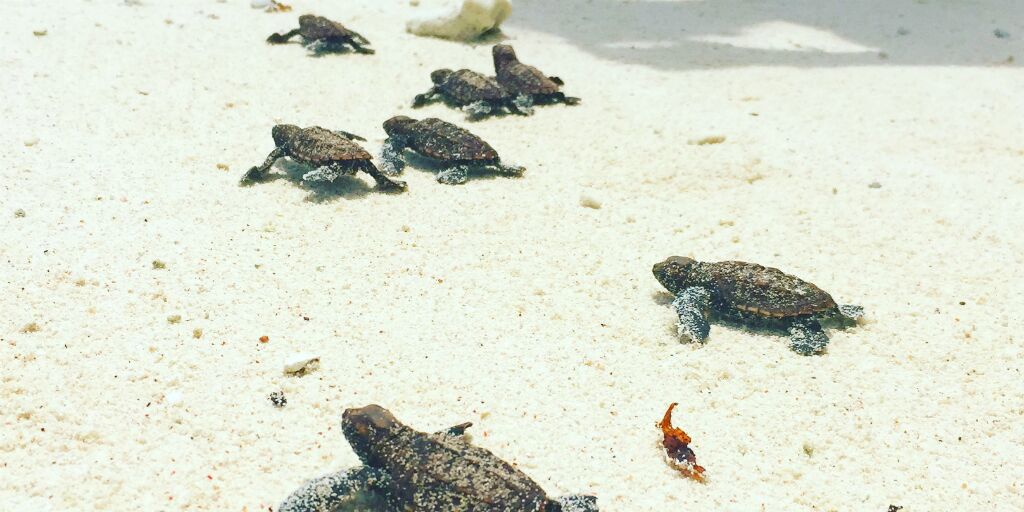
Why does all this matter beyond the turtles themselves? Because they do real ecological work. Over its lifetime a single sea turtle moves large volumes of sand, helping to keep coastal soils healthy and spreading seeds, including those of endangered plants. Through grazing and the waste it produces, it also cycles organic matter that keeps marine ecosystems functioning. These processes contribute, over time, to cleaner air and healthier soil across land and sea alike. In other words, the well-being of sea turtles is quietly tied to our own.
The encouraging news is that there are opportunities to help at every stage of the turtle's life cycle. Some projects work to clear the path for migrating adults by reducing marine pollution and educating coastal communities. Others focus on giving hatchlings a fighting chance, guiding them safely to the water or easing the environmental pressures that affect their development, both of which improve survival rates and help rebuild populations.
Research and monitoring underpin all of it. By tracking the survival and health of turtles, conservation teams can tell whether their efforts are working and adjust their plans accordingly. With more attention on the problem, these creatures could move from critically endangered towards genuine recovery, though there is a great deal of work still to do.
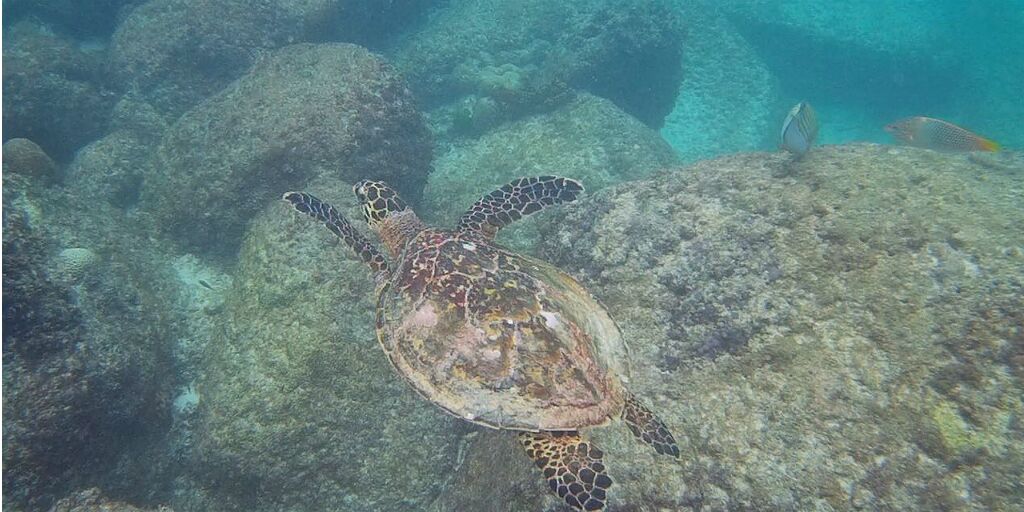
The good part is that getting involved is the straightforward bit. Whether through beach monitoring, habitat protection or community education, there are meaningful ways to contribute alongside the MULUK, and to make a difference that everyone, turtles and people, stands to benefit from.
Comments
Add new comment