Costa Rica's climate ambitions
Costa Rica has become one of the world's more unlikely environmental leaders. Small in size but rich beyond its scale, it is home to around six percent of the planet's biodiversity, and it has set itself some strikingly bold targets to protect that natural wealth. For anyone drawn to conservation, and for projects like the Kekoldi Research and Education Alliance, the country offers a rare chance to work at the sharp end of climate action.
The ambitions are genuine. Costa Rica has pledged to become both plastic-free and carbon neutral, and the early signs have been promising: in 2019 it ran, for a sustained period, almost entirely on renewable energy. These policies align closely with United Nations Sustainable Development Goals on clean energy, responsible consumption and climate action, and they place a small Central American nation firmly at the front of a global conversation.
The wider context makes the effort all the more striking. The Paris Agreement united well over a hundred countries around a shared goal of holding global temperature rise well below two degrees Celsius. Yet global carbon emissions have kept climbing to record highs. To stay within that limit, the world would need to cut net emissions dramatically within decades and reach net zero around mid-century. Against that backdrop, Costa Rica is showing what determined national policy can achieve.
Carbon neutrality means having a net zero carbon footprint: emissions can still occur, provided they are balanced by removing or offsetting an equal amount elsewhere. Costa Rica's main tool has been reforestation, and the results speak for themselves. Forest cover roughly doubled from around a quarter of the country in the mid-1980s to about half by 2011, a remarkable reversal of earlier deforestation.
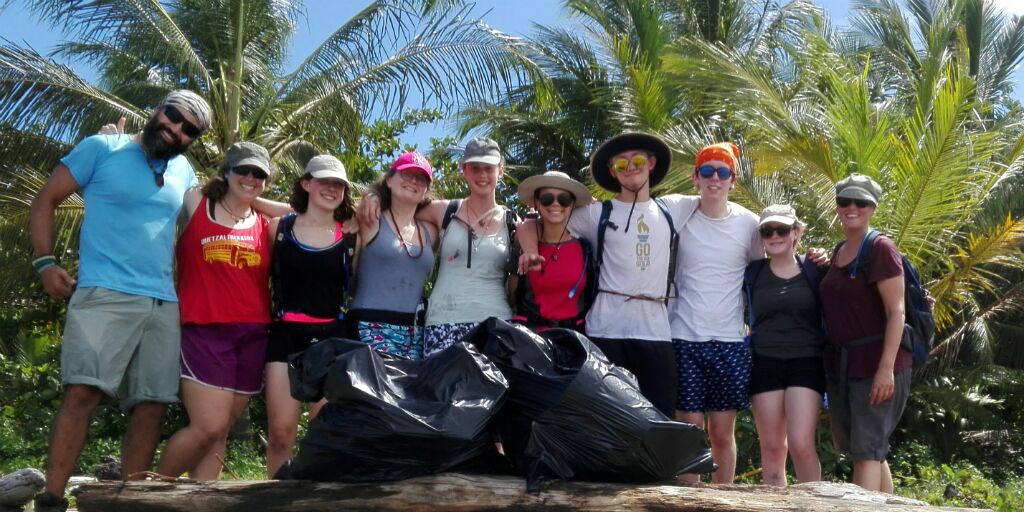
On plastic, the country has been equally forthright, aiming to phase out single-use items altogether. The challenge is real: Costa Rica generates thousands of tonnes of solid waste a day, a meaningful share of it plastic that ends up polluting waterways and the sea. The strategy follows a clear order of priorities, rejecting and reducing plastic first, then replacing what remains with compostable, biodegradable or renewable alternatives, and finally improving recycling. Bags, straws, disposable cups, plates and bottles are all in the firing line, and success depends on everyone taking part.
All of this makes Costa Rica an ideal place to learn about conservation and to contribute directly. Its extraordinary biodiversity and forward-thinking policies create real opportunities for volunteers who want to take practical action on climate and pollution while experiencing the country's famous pura vida way of life.
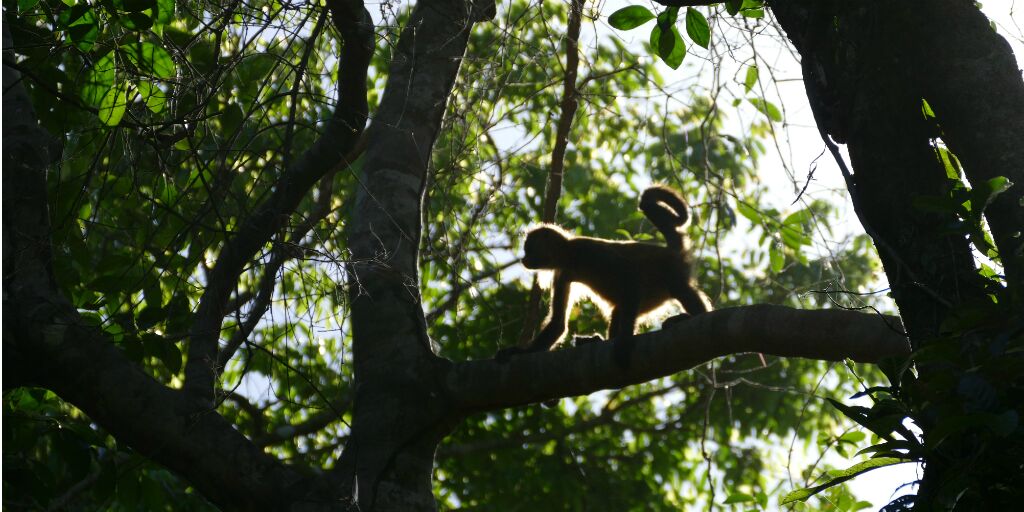
Working with the Kekoldi Research and Education Alliance, you might take part in biodiversity surveys, data collection and species monitoring, or study issues such as plastic use, marine debris and beach litter, examining their effects on both the environment and the community. The training involved makes it a solid foundation for a career in conservation, and a genuine chance to help a country that is quietly showing the rest of the world what is possible.
Comments
Add new comment