
A practical guide to responsible travel

You may have heard the phrase responsible travel, but what does it actually mean, and what is worth thinking about before you set off? Responsible travel sits at the heart of the work we do across The Impact Network, and the good news is that anyone can make a start. Here is a practical guide.
It helps to begin with the bigger idea. The UN World Tourism Organisation defines sustainable tourism as travel that takes full account of its economic, social and environmental impacts, balancing the needs of visitors, the industry, the environment and host communities. In plain terms, it means exploring a destination while respecting its culture, its environment and its people. Responsible travel is the personal side of that idea: the smaller, individual choices you make that add up to a positive impact.
Start before you leave home. Read up on local laws and culture. Learn the customs, traditions and norms of the area you are visiting, from which gestures are polite and which are rude to how you are expected to dress and where tourists may and may not go. A little preparation makes it far easier to interact well once you arrive.
Research any animal activities. If riding an elephant is still on your list for Thailand, it is time to take it off. Because animals cannot tell us how they feel, we owe them extra care. Favour operators who offer only necessary interactions rather than entertainment, who are transparent and registered, and who can explain clearly what ethical animal interaction means to them.

Choose a homestay or eco-friendly accommodation. Living within the local community is the ideal way to travel responsibly, letting you contribute daily and understand the culture from the inside. Where that is not possible, look for accommodation that is energy and water efficient and that genuinely involves local people rather than merely borrowing their culture as decoration. Reviews are a good way to gauge whether a place walks the talk.
Support the local economy. It can be tempting to seek out the familiar, but travel is about new experiences. Eat where local people eat, shop at local stalls and try a new regional dish each day. It puts money directly into the community and teaches you far more about the place than any chain ever could. When bargaining, keep perspective; the dollar you save may matter far more to the vendor than to you.
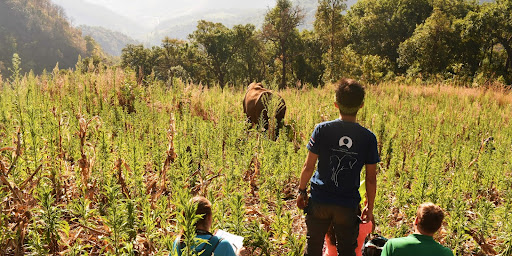
Shrink your everyday footprint. Decline the plastic bag and the polystyrene cup and carry reusable alternatives such as a cloth bag and a refillable bottle. In places where waste management is stretched, single-use items cause real harm. Choose walking, cycling or public transport over taxis where you can, both to cut emissions and to see a place at ground level.
Give in ways that build, not that create dependency. A child asking for money can move anyone, but lasting change comes from supporting community development: education, access to clean water, recycling and conservation, and initiatives that improve women's social and economic equality. These are the efforts that help a whole community over the long term.
Share what you learn. Once you have travelled responsibly, you carry knowledge worth passing on. Talking about it with friends and family spreads awareness and encourages the next traveller to start well.
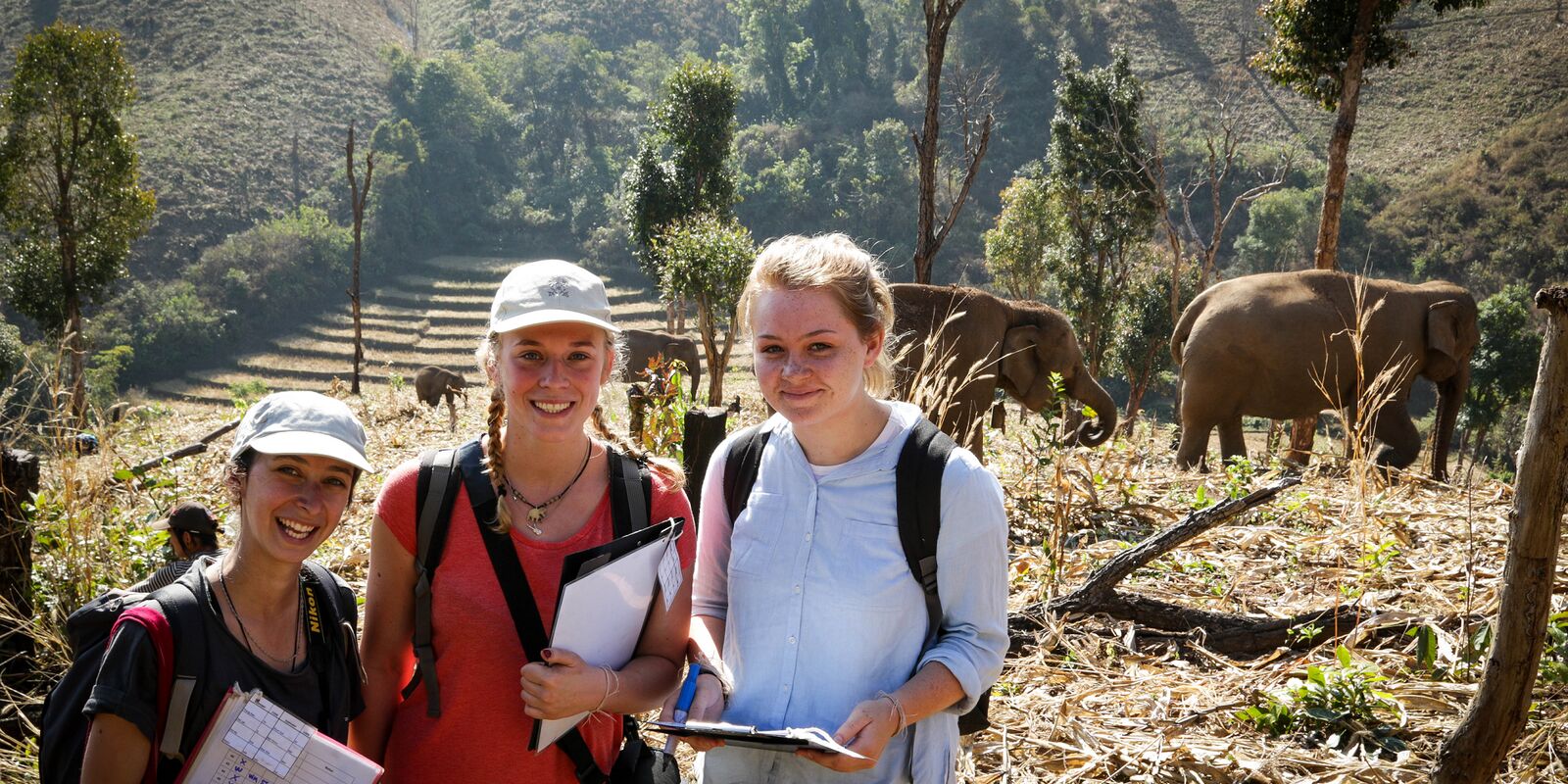
Perhaps the best first step of all is to travel with purpose. Explore The Impact Network's volunteering programmes and placements, and begin your responsible travel journey today.
Comments
Add new comment