
Bottlenose dolphin habitat: characteristics, threats and how we protect it

Bottlenose dolphins are among the most recognisable marine mammals in the world, known for their intelligence, sociability and playful behaviour. They live across an enormous range, from tropical shallows to the colder waters of the North Atlantic, but their survival everywhere depends on one thing: suitable habitat that offers enough food, shelter and space to interact. The waters around Tenerife, where the MutatioMare carries out its monitoring, are a good example of exactly the sort of habitat these animals need.
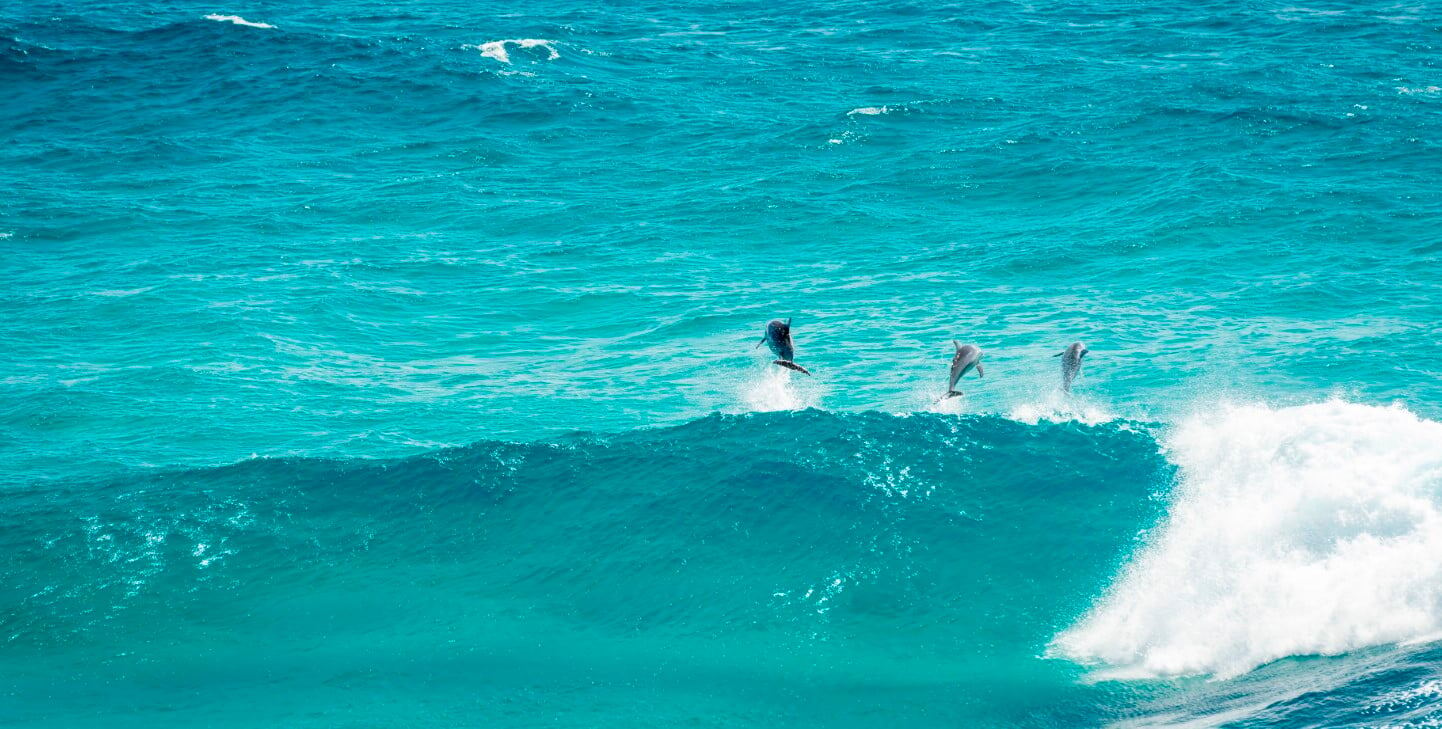
Bottlenose dolphins are usually found in waters shallower than 200 metres, though they venture into deeper offshore areas too. They favour temperatures between roughly 10 and 32 degrees Celsius and tend to concentrate in coastal zones, where fish, squid and other prey are plentiful. Their habitat varies with location: some populations live in brackish estuaries, others among seagrass and reef. The deep, sheltered channel off the south-west coast of Tenerife supports a resident population year-round, which is part of what makes it such a valuable place to study them.
Because they are so social, dolphins depend on their habitat for more than food. They communicate through echolocation, which also helps them hunt and navigate, and use body language such as tail slaps and leaps to signal to one another. A healthy, undisturbed environment is what allows this rich social life to continue.
That environment is under growing pressure. Overfishing and bycatch reduce the prey dolphins rely on, while pollution, from oil to plastic debris, harms the animals directly and degrades their surroundings. Coastal development alters water flow and eats into the space available to them, and unmanaged boat traffic can disturb feeding and resting groups. Climate change adds a further layer of risk, shifting the distribution of prey and disrupting the wider ecosystem.
The response draws on both regulation and research. Fishing limits, restrictions on coastal development and the designation of protected marine areas all help safeguard key habitats. Alongside this, careful monitoring, using acoustic recording, photo-identification and tracking of individual animals, builds the understanding needed to protect populations effectively. This is the heart of the MutatioMare's work: recording who is present in these waters, how they use them, and how human activity is affecting them.
There is plenty that individuals can do as well. Cutting down on single-use plastics, disposing of hazardous waste responsibly and taking part in beach clean-ups all reduce the pollution that reaches the sea. Choosing responsible, low-impact ways to watch marine wildlife matters too. Supporting organisations that protect these habitats, through The Impact Network, helps sustain the long-term monitoring that conservation depends on.
Bottlenose dolphins are not only a much-loved symbol of the ocean; they are also a reliable indicator of its health. Protect the waters they live in and you protect a great deal more besides. With steady, evidence-led work of the kind carried out off Tenerife, there is every reason to be hopeful about the future of these intelligent and endlessly engaging animals.
Comments
Add new comment