
Whale sharks, the ocean's gentle giants

Every 30 August, International Whale Shark Day turns attention to the largest fish in the ocean and the efforts to protect it. For a species this big, its day-to-day feeding has surprisingly far-reaching effects on the health of the seas. On the day, and around it, the MutatioMare joins the wider marine conservation community in marking the occasion.
Whale sharks are unmistakable: wide, flat heads, enormous mouths and spotted bodies. Despite their size they are filter feeders, living almost entirely on plankton, the microscopic organisms that drift through the water. They can reach up to 18 metres long and weigh around 10,000 kilograms, making them not only the biggest shark but among the largest fish in the ocean, roughly twice the length of a great white.
Their scale might sound alarming, but there is nothing to fear. Whale sharks are not lurking predators; they do not even have functional teeth. They are, in effect, plankton patrollers, capable of eating more than 20 kilograms of it a day. And where they gather, they signal something useful: waters rich in plankton are waters rich in nutrients, so the presence of whale sharks is a reliable sign of a healthy marine ecosystem.
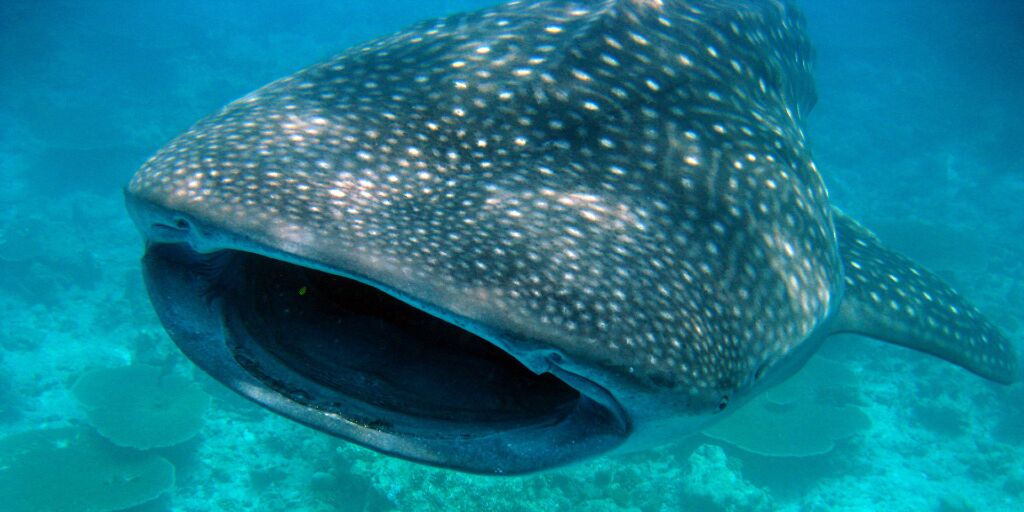
They do more than indicate health, though. They help maintain it. By grazing steadily on plankton, whale sharks keep those populations in check. With no natural predators of their own, they sit at the top of the food chain, and that position matters. In ecosystems where apex species disappear, the creatures they once kept in balance tend to multiply unchecked.
Left unregulated, plankton can bloom to harmful levels. Excess plankton fuels algal blooms that turn toxic, harming fish, shellfish, mammals, seabirds and, ultimately, the people who eat them. Some whale sharks are thought to live up to a century, which means each one contributes to the long-term regulation of the ocean over a very long lifetime. Lose them, and the sea loses a steady hand on that balance.

The threats are serious and largely human. Prized for their fins and meat, whale sharks are overfished and poached across the world, and their numbers fall year on year. International Whale Shark Day exists to raise awareness of both their ecological importance and their decline, and to encourage the work needed to reverse it.
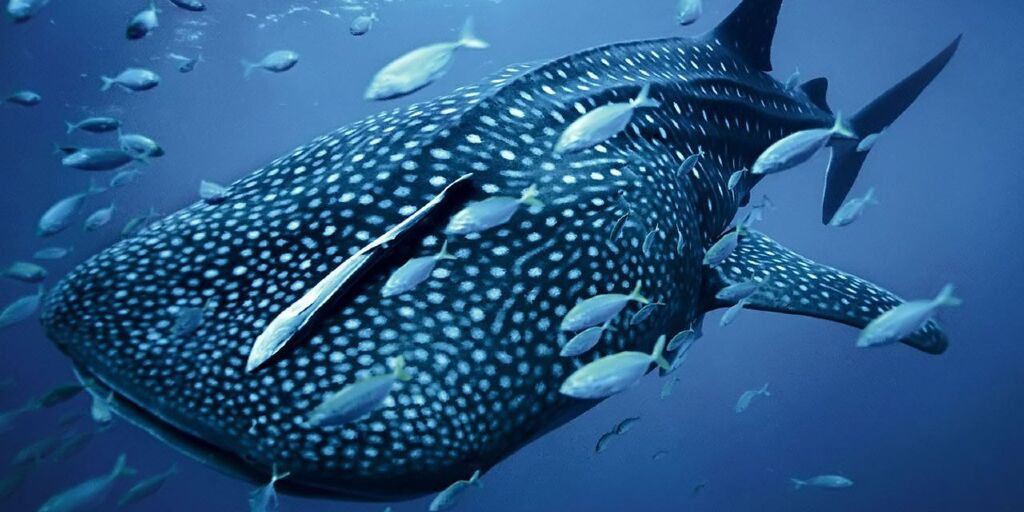
Conserving whale sharks is not simply about saving one striking species. Losing any part of an ecosystem ripples outward to every other plant and animal within it, and few other creatures could take on the work these giants do so effortlessly. Learning about them, spreading the word about their decline, and supporting marine conservation are among the most practical ways to help. Working with the MutatioMare, you can be part of that effort, this International Whale Shark Day and beyond.
Comments
Add new comment